Buy Matcha Tea – Organic Matcha for Genuine Enjoyment

Matcha tea stands for intense flavour, a fine texture and a distinctive way of preparing tea with a tradition rooted in Japan.

At DieTees you'll find carefully selected organic matcha, high-quality accessories such as matcha bowls, bamboo whisks and bamboo scoops, as well as all the answers you need on choosing, preparing and enjoying matcha powder.

Matcha Produkte entdecken Zubereitung lernen
Frisch aufgeschlagener Matcha Tee in dunkler Keramikschale mit Bambusbesen und Matcha-Pulver auf cremefarbenem Leinen

What Is Matcha Tea?

Matcha is a finely ground green tea from Japan, traditionally made from the Tencha leaf. Unlike classic infused tea, the whole tea leaf is processed into a fine powder and whisked directly with water – so you drink the leaf itself, not just the infusion.

This special processing gives matcha its intense, vibrant green character with a fresh note, mild sweetness and a pleasantly bitter depth. The flavour is often described as “umami” – a full-bodied, velvety character that sets it apart from other green teas.

Matcha naturally contains caffeine and the amino acid L-theanine as well as catechins, secondary plant compounds – the natural components of green tea. Learn more about green tea here.

Matcha Quality Grades – What to Look for When Buying

Not all matcha is the same. Quality grades differ in flavour, colour, texture and intended use. If you want to enjoy matcha to the full, it's worth knowing the main grades.

Quality Grade Use Character Colour
Ceremonial Grade Classic preparation, neat Very fine, mild, velvety, pronounced umami Bright light green
Premium Grade Tea neat and matcha latte Fine, balanced, lightly sweet Rich green
Culinary Grade Baking, smoothies, ice cream Bold, slightly bitter Slightly darker

At DieTees, we focus on organic quality with traceable origin. Organic matcha means no chemical-synthetic pesticides, controlled cultivation and an especially pure flavour without compromise.

Matcha Origin – A Tradition from Japan

Matcha has its roots in Japanese tea culture. Three growing regions are especially well known for producing high-quality matcha:

  • Uji (Kyoto) – the traditional heartland of matcha culture, known for particularly fine, mild varieties.
  • Nishio (Aichi) – one of Japan's largest matcha producers, valued for its balanced character.
  • Kagoshima – a more modern growing region with somewhat bolder, more bitter notes.

What makes Japanese matcha so special is the shading of the tea plants for several weeks before harvest. This method increases the levels of L-theanine and chlorophyll – resulting in a vibrant green colour and matcha's typical velvety-sweet character.

Japanisches Matcha-Teefeld in Uji bei Kyoto mit traditioneller Beschattung der Tencha-Pflanzen

How to Prepare Matcha Tea Properly

The right preparation determines whether matcha unfolds its full aroma. With a little practice, anyone can make this creamy, finely frothed tea at home. Here's the classic method, step by step:

1. Sift

Sift 1–2 bamboo scoops (approx. 1–2 g) of matcha through a fine sieve into the bowl. This keeps the powder especially fine and lump-free.

2. Heat the Water

Heat water to approx. 70–80 °C . Boiling water makes matcha bitter and destroys its delicate aroma.

3. Pour

Pour approx. 70–80 ml of hot water over the matcha powder into the bowl.

4. Whisk

Using the bamboo whisk (chasen), whisk briskly in W- or M-shaped movements until a creamy foam forms.

Matcha Glasses & Bowls – Choosing the Right Vessel

Choosing the right vessel changes the whole matcha experience. Traditionally, matcha is whisked in a chawan – a wide ceramic bowl – because the foam develops especially well in it. However, many modern matcha lovers also reach for matcha glasses for lattes and cold variations.

Matcha Bowl (Chawan)

A wide stoneware ceramic bowl – traditionally used for classic preparation. Its broad base allows free movement when whisking with the bamboo whisk.

  • Ideal for classic matcha
  • Robust and heat-resistant
  • Keeps warmth pleasantly

Matcha Glass

Double-walled glasses are especially popular for matcha latte and iced matcha. The double wall insulates, keeps the drink at temperature for longer, and shows off the vibrant green colour beautifully.

  • Perfect for matcha latte
  • Ideal for iced matcha in summer
  • Double wall insulates the drink

View the double-walled borosilicate glass tea cup →

Matcha Accessories for Your Enjoyment

For classic preparation, you need high-quality matcha and the right accessories. At DieTees you'll find everything that belongs to an authentic matcha ritual.

Matcha Tea Set

A complete set with a ceramic bowl, bamboo whisk and bamboo scoop – ideal for getting started.

Matcha Set ansehen

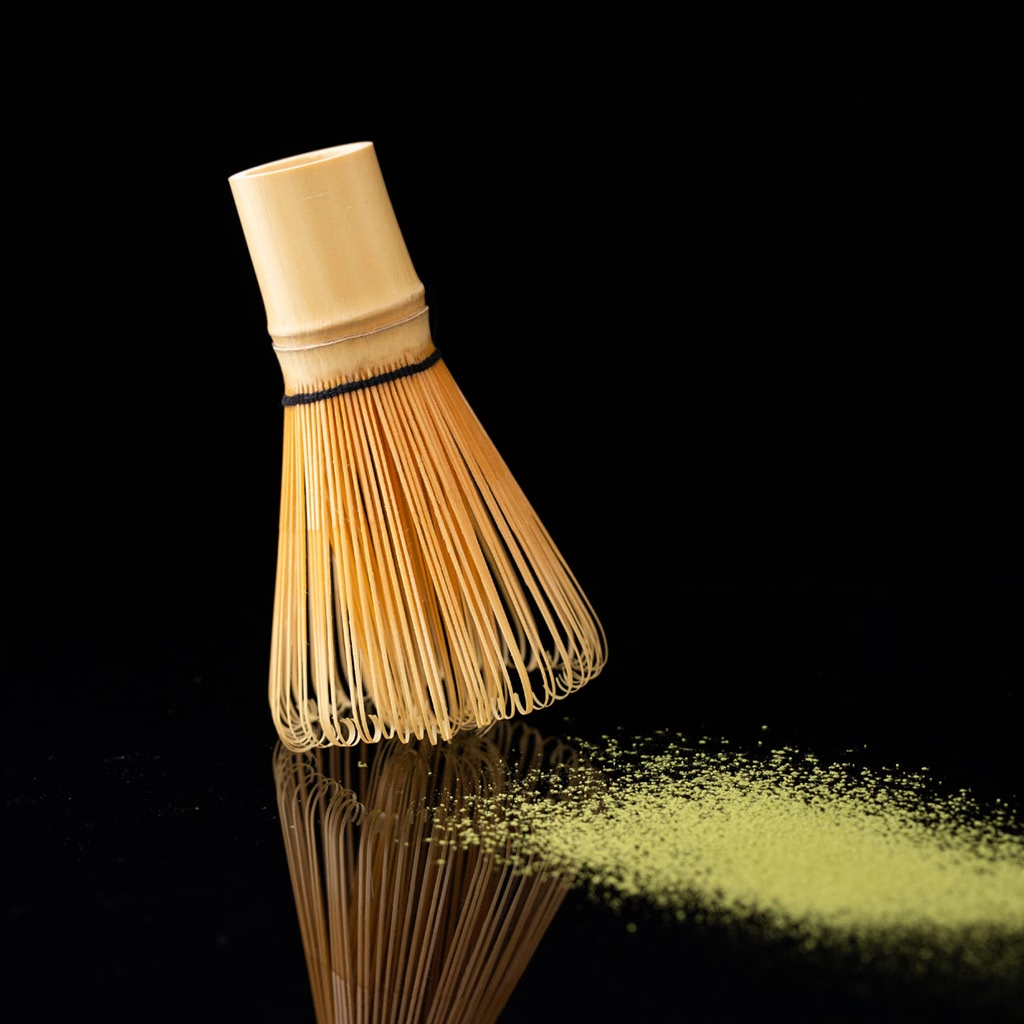
Matcha Bamboo Whisk

A handcrafted chasen made from natural bamboo for creamy foam and traditional preparation.

Bambusbesen ansehen

Matcha Bamboo Scoop

A traditional bamboo chashaku for precisely measuring your matcha powder.

Chashaku ansehen

Matcha Tea or Matcha Latte?

Matcha can be enjoyed the classic way with water, or as a creamy matcha latte. Both variations have their own character.

Classic Matcha

Intense, clear and green in flavour, with pronounced umami. Ideal for anyone who wants to experience matcha's pure character – and perfect for starting the day.

Preparation: Whisk matcha with 70–80 ml of water at 70–80 °C.

Matcha Latte

Milder, creamier and especially popular with milk or plant-based alternatives such as oat, almond or soya drink. A modern classic for any time of day.

Preparation: First whisk matcha with a little hot water, then top up with frothed milk (hot or cold). Sweeten with honey or maple syrup if you like.

Matcha Cold Brew & Iced Matcha

On warm days, ice-cold matcha reveals a wonderfully refreshing character. Here's how easy it is:

Iced Matcha

Whisk matcha the classic way in hot water, then pour over ice cubes and top up with cold water or a plant-based drink. Add a touch of lemon or mint if you like.

Matcha Cold Brew

Shake 1 g of matcha vigorously with 200 ml of cold water in a sealable jar. The result: an especially mild, slightly sweet aroma.

Tip: In summer, iced matcha pairs beautifully with fruity teas such as our mango-peach tea or a dash of our lemon-mint tea.

Matcha Ingredients – What's Inside

Matcha is ground green tea – and that has consequences for its composition: you consume the entire tea leaf, not just its water-soluble components. The following components are characteristic:

caffeine

Matcha naturally contains caffeine – around 30–70 mg per serving (1–2 g of powder), depending on the variety and dosage. A cup of matcha therefore falls below a typical cup of filter coffee, but noticeably above classic infused green tea.

L-theanine

An amino acid present in especially high amounts in shade-grown Tencha leaf. L-theanine is found in many green teas – and is particularly pronounced in higher-grade matcha.

Catechins (secondary plant compounds)

Catechins are natural polyphenols found in green tea. They give matcha its slightly bitter character and are among its most characteristic components.

Chlorophyll

Responsible for the vibrant green colour of high-quality matcha. The more intense the green, the more chlorophyll – an initial sign of quality when buying matcha.

Storing Matcha – How to Keep the Aroma Fresh

Matcha is sensitive to light, air and moisture. With the right storage, your matcha powder keeps its flavour and colour for months.

  • Airtight: Reseal the container immediately after each use.
  • Protected from light: Store in a dark tin or cupboard.
  • Cool: Ideally store in the fridge – but let it come to room temperature before opening, to prevent condensation.
  • Use promptly once opened: Once opened, it's best enjoyed within 4–6 weeks so the fresh aroma is preserved.

A high-quality tea tin protects your matcha perfectly from light and air.

Matcha vs. Other Green Teas

If you love matcha, you may often wonder: how does it differ from sencha, gyokuro or classic green tea?

Tea Processing Character Caffeine Tendency
Matcha Ground powder from shade-grown Tencha Full-bodied, umami, velvety Medium to strong
Gyokuro Shade-grown infused tea Mild, sweet, refined Medium
Sencha Steamed infused tea Fresh, grassy, slightly bitter Low to medium
Bancha From a later harvest Mild, light Low

In short: matcha is the only green tea where you consume the entire leaf – making it unique in aroma, appearance and preparation.

You can find out more about other green teas in our Green Tea category, or in our magazine article What Is Oolong Tea? for a comparison with semi-fermented teas.

Frequently Asked Questions About Matcha Tea

Matcha tastes fresh and green, ranging from mildly sweet to slightly bitter depending on quality. High-quality varieties have a velvety, full-bodied umami character. Lower grades taste bolder and more bitter – ideal for baking or smoothies.

Yes, matcha naturally contains caffeine – around 30–70 mg per serving (1–2 g of powder). This means a cup of matcha typically has less caffeine than a cup of filter coffee.

Sift 1–2 bamboo scoops of matcha (approx. 1–2 g), pour on 70–80 ml of water at 70–80 °C, and whisk to a froth with a bamboo whisk using W-shaped movements. Don't use boiling water – it makes matcha bitter.

Many matcha lovers enjoy 1–2 servings a day as part of their routine. Important: matcha contains caffeine, so the same guidance applies as for coffee or black tea. If you are pregnant, breastfeeding, or sensitive to caffeine, we recommend consulting your doctor.

With classic green tea, you infuse the leaves and drink only the infusion. With matcha, you drink the entire finely ground leaf, whisked with water. This makes matcha more intense in flavour, stronger in colour, and gives it a different mix of nutrients.

For the classic matcha ritual, you need: a matcha bowl (chawan), a bamboo whisk (chasen), a bamboo scoop (chashaku) and a fine sieve. Optionally, a double-walled glass for iced matcha or matcha latte. Our matcha set contains all the key components.

For beginners, we recommend Premium Grade matcha – balanced in character and suitable for both classic preparation and matcha latte. Ceremonial Grade is the finest tier for pure enjoyment; Culinary Grade is suited to smoothies, baking and ice cream.

By four features: Colour (a bright light green, not olive or yellowish), texture (very fine, almost powdery), smell (fresh and grassy, slightly sweet), and origin (Japan, ideally Uji or Nishio). Organic certification and transparent origin information are further signs of quality.

Airtight, protected from light, and cool. Once opened, it's best enjoyed within 4–6 weeks to keep the aroma fresh. For longer storage in the fridge, let it come to room temperature before opening.

Discover Organic Matcha and Accessories at DieTees

Start your matcha ritual with carefully selected organic matcha and the right accessories.

Free shipping from €32.00 · Organic certified · Fast delivery

Jetzt Matcha-Produkte entdecken

Note: This information does not replace medical advice. Tea is a foodstuff, not a medicine. If you are pregnant, breastfeeding, sensitive to caffeine, or have health concerns, we recommend consulting your doctor or pharmacist.