

Sweet, malty organic rooibos from the Cederberg mountains in South Africa. Caffeine-free and low in tannins — plain, with milk or as a Red Latte. Classic red rooibos and milder green rooibos.
-5%
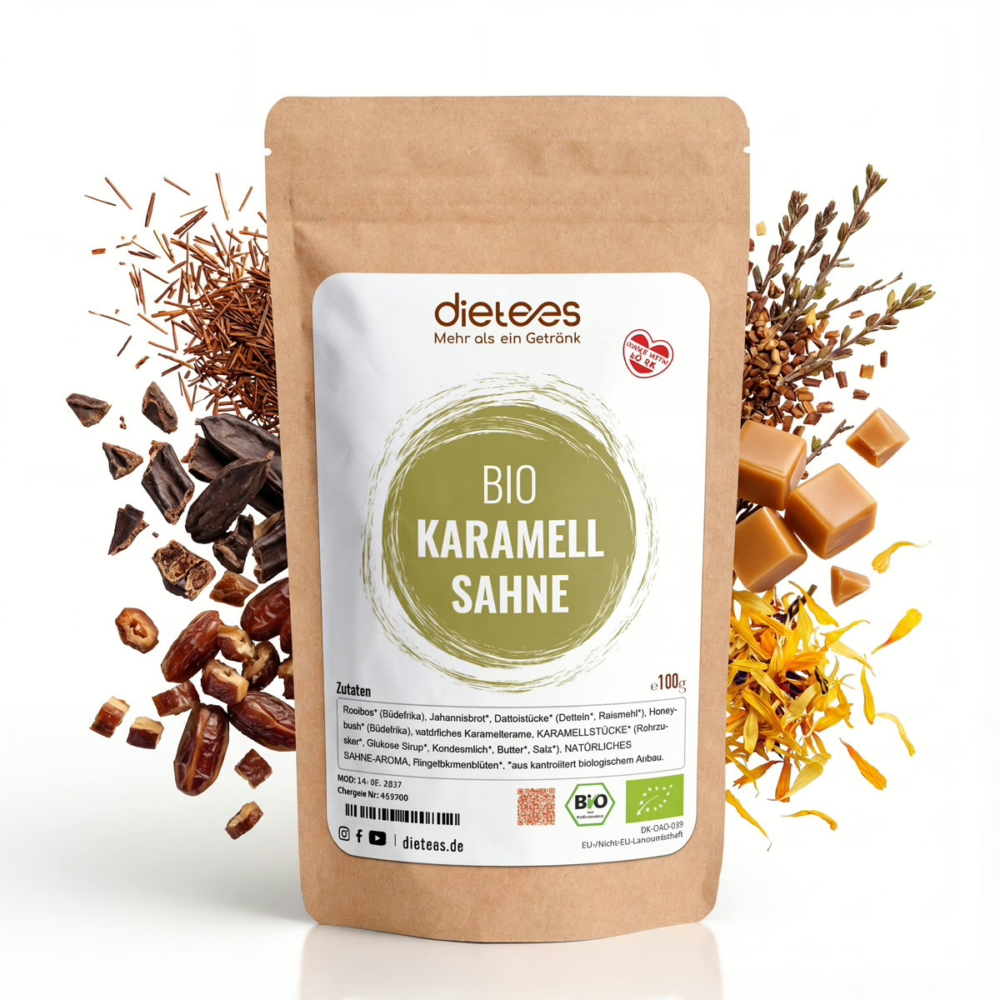
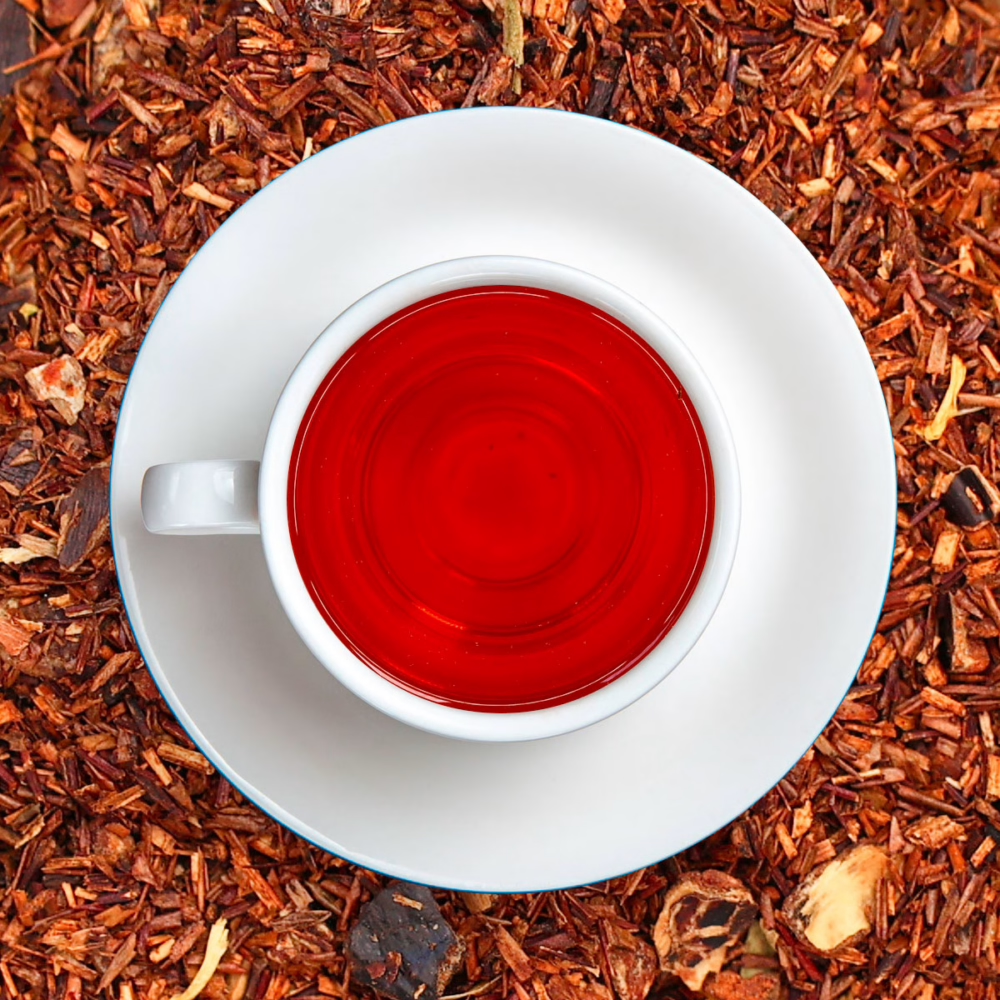
6,90 €
View options
This product has multiple variants. The options may be chosen on the product page
-7%
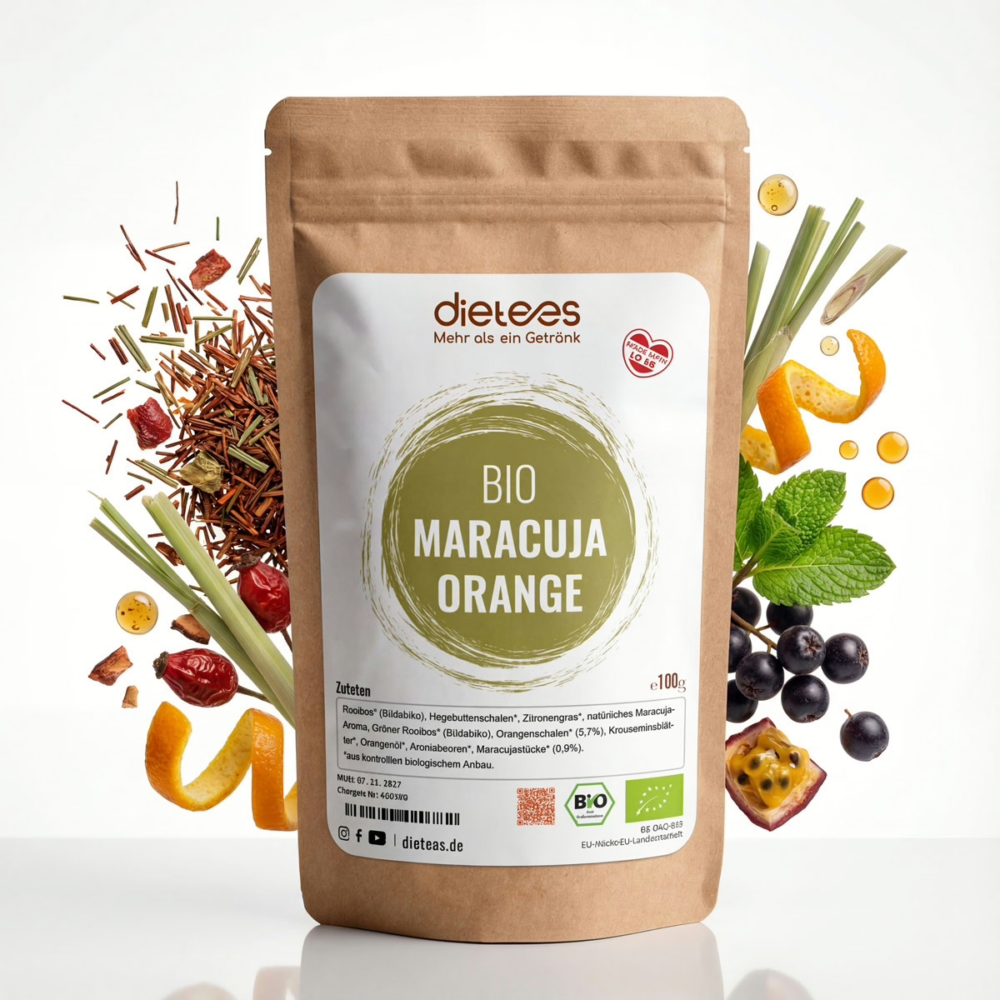
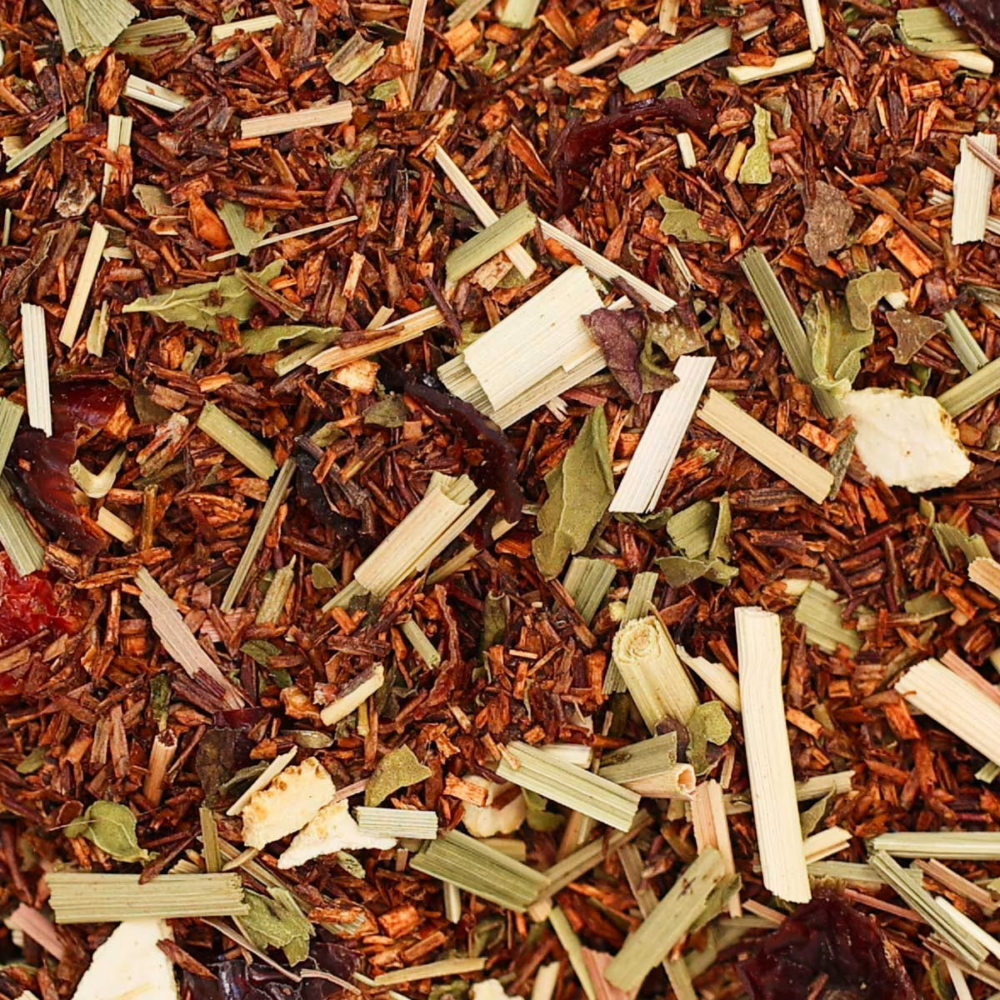
6,95 €
View options
This product has multiple variants. The options may be chosen on the product page
-10%


8,85 €
View options
This product has multiple variants. The options may be chosen on the product page
-9%
New

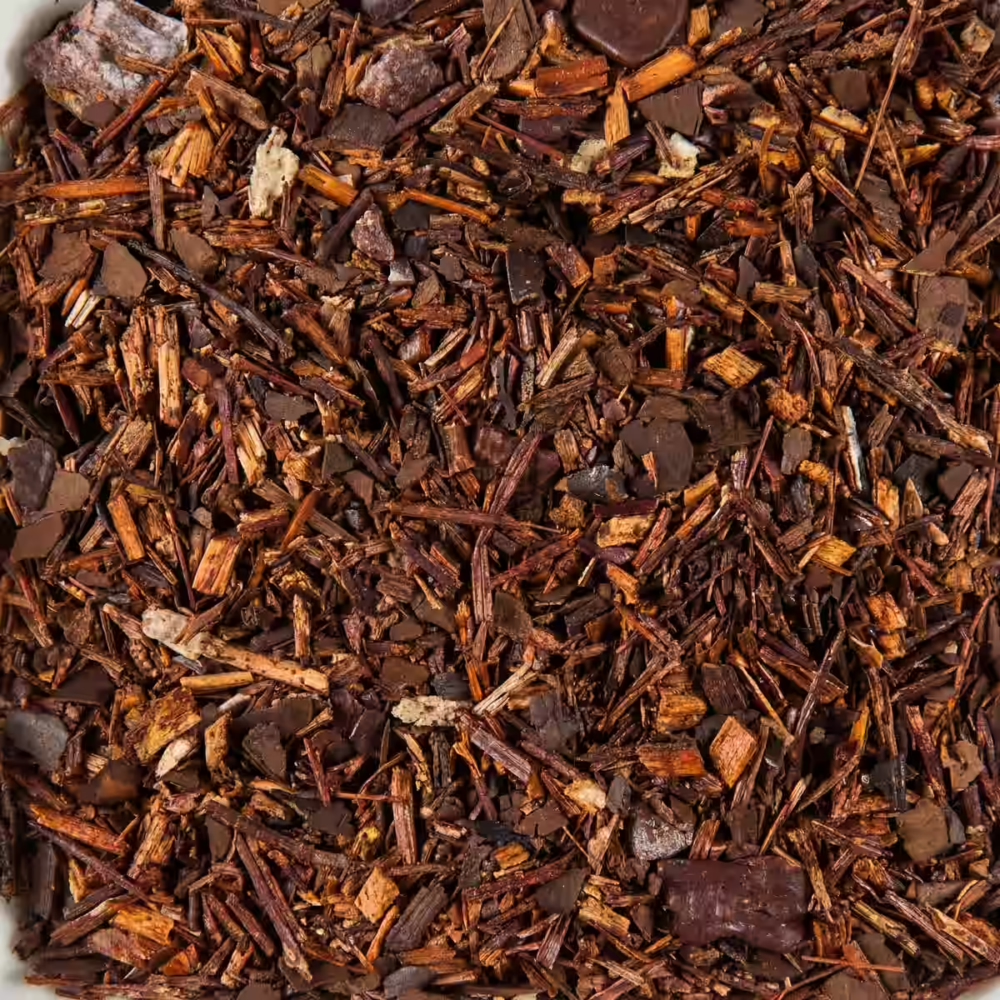
6,70 €
View options
This product has multiple variants. The options may be chosen on the product page
-22%
New

Original price was: 14,00 €.11,90 €Current price is: 11,90 €.
View options
This product has multiple variants. The options may be chosen on the product page
ABOUT OUR ORGANIC ROOIBOS
Redbush from the Cederberg — caffeine-free & aromatic
At DieTees you'll find premium organic rooibos from the Cederberg mountains in South Africa. Popular choices are our classic Bio Rooibos Vanille, the creamy Bio Karamell-Sahne Rooibos, the fruity Maracuja-Orange Rooibos, the Rooibos-Mate Schokolade and the elegant Rooibos Rhabarber-Sahne.
Rooibos — literally "redbush" — does not come from the tea plant (Camellia sinensis) but from the needles of Aspalathus linearis, which grows only in one small region of South Africa. After harvest the needles are cut, moistened and fermented — this creates the typical reddish-brown colour and the sweet, malty taste. Rooibos is naturally caffeine-free and low in tannins.
Loose-leaf rooibos delivers more aroma than tea bags, because the finely cut needles release their essential oils better. The infusion tolerates boiling water and a long steeping time without turning bitter — which makes it a favourite for the whole family, at any time of day.
Reading tip: Looking for more caffeine-free alternatives? Take a look at our herbal tea selection and our fruity fruit teas.
VARIETY OVERVIEW
What types of rooibos are there?
Rooibos can be broadly divided into four main categories — depending on processing and flavouring:
- Red rooibos (classic) — fermented, strong in aroma, malty and sweet. The classic, plain or with milk.
- Green rooibos — unfermented, lighter in the cup, milder and grassy-fresh in taste.
- Flavoured rooibos blends — with vanilla, caramel, passion fruit, chocolate or rhubarb cream — fruity to creamy accents on the sweet, malty base.
- Rooibos hybrids — combined with mate, for example, which adds a slight caffeine note (shown on the ingredients list).
Looking for caffeinated alternatives from Camellia sinensis? Take a look at our black tea category, the milder green tea or the delicate white tea.
☕ Red Latte with rooibos — how it's done
Brew the rooibos strong (1.5 tsp per 200 ml, steep for 8–10 minutes). Strain the tea, mix it 1:1 with frothed milk (or oat milk) and add a pinch of cinnamon on top. Sweeten with a little honey if you like. A warming, caffeine-free treat — and ice-cold with ice cubes in summer.
Naturally caffeine-free
Rooibos does not come from the tea plant and therefore contains no caffeine — suitable at any time of day, including the evening.
Organic from the Cederberg
From certified organic cultivation in the South African Cederberg region — fairly traded, gently processed.
Sweet, malty & mild
Natural honey and caramel notes with no added sugar. Low in tannins — it doesn't turn bitter even with long steeping.
FREQUENTLY ASKED QUESTIONS
Answers about rooibos
What is rooibos and where does it come from?
Rooibos (Afrikaans for "redbush") comes from the plant Aspalathus linearis, which grows only in one small region of South Africa — the Cederberg mountains. It is not a tea from the tea plant (Camellia sinensis) but an infusion made from the finely cut needles of this plant. Harvesting and fermentation create the typical reddish-brown colour.
Does rooibos contain caffeine?
No — rooibos is naturally caffeine-free. It is also low in tannins and therefore doesn't taste bitter even after long steeping. One exception are rooibos-mate blends — these do contain caffeine from the mate component (shown on the ingredients list).
How is rooibos prepared?
Rooibos tolerates boiling water (100 °C) and a long steeping time of 5–10 minutes without turning bitter. One heaped teaspoon per 250 ml. Enjoy it plain, with milk and a pinch of cinnamon as a "Red Latte", or as iced tea with lemon and honey.
Red vs. green rooibos — what's the difference?
Red rooibos is the classic, fermented version — strong in aroma, malty and sweet. Green rooibos is not fermented: lighter in the cup, milder and grassy-fresh in taste. Both are caffeine-free and low in tannins.
What does rooibos taste like?
Rooibos tastes mildly sweet, malty and slightly earthy — somewhere between honey and caramel. The natural sweetness comes straight from the plant, with no need for added sugar. Flavoured versions (e.g. with vanilla, caramel or berries) add extra notes to the sweet, malty base.
How long does rooibos keep?
Stored dry, protected from light and in an airtight tin, loose rooibos keeps for 18–24 months without losing aroma. Check the best-before date on the packaging. Once brewed, it's best drunk within 24 hours — iced tea keeps for 2–3 days in the fridge.
BUYING ONLINE
Why buy rooibos online?
When you buy rooibos online, you get access to a far wider range of organic varieties than in the supermarket — from classic red rooibos and green rooibos to flavoured blends such as caramel cream, passion fruit-orange or rhubarb cream. Loose-leaf rooibos in particular offers more aroma, because the finely cut needles release their essential oils better than inside a tea bag.
At DieTees you'll find exclusively organic rooibos from certified cultivation in the Cederberg area — fairly traded with local cooperatives, gently processed and packed aroma-sealed. If you'd like to explore the spectrum of classic teas, we also offer black tea, green tea and white tea — all easy to order online with fast delivery across Europe.
Discover our selection of premium organic rooibos now — from classic red rooibos to flavoured caramel cream blends.
Discover more: buy organic tea online — an overview of our loose-leaf tea range.
Note: rooibos is a food, not a medicine. The information provided relates to taste and preparation. For health-related questions, please consult a medical professional.