

DieTees Herb Encyclopedia
Lemon in Tea – Flavour, Origin & Versatile Use
Oct
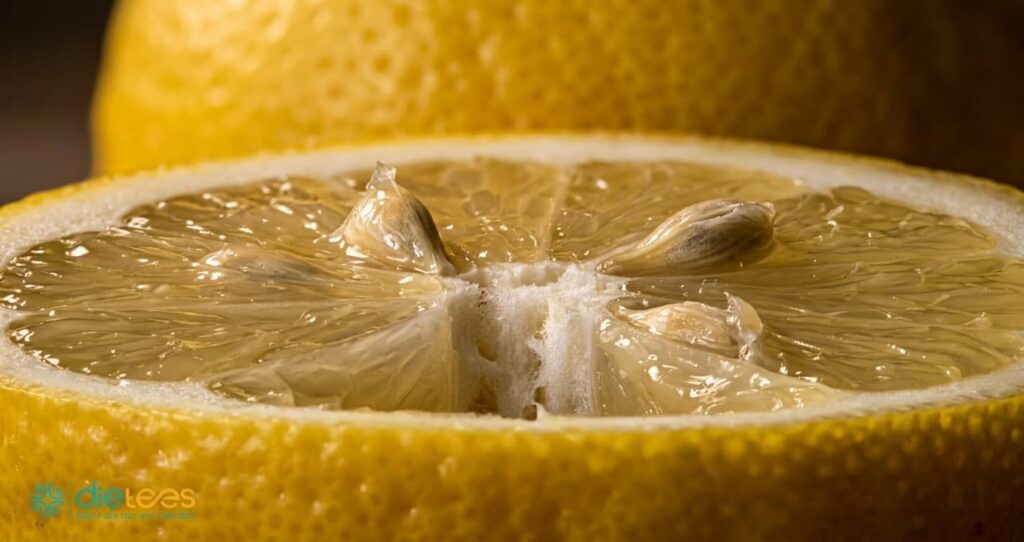
The lemon has stood for freshness and aromatic intensity for centuries. As an ingredient in tea, it gives the infusion a lively acidity and a distinctive fragrance that many tea lovers appreciate.
Botanical overview
The lemon tree (Citrus limon) belongs to the Rutaceae family. It originally comes from Southeast Asia, and today it is cultivated in many subtropical regions. The fruit is characterised by its juicy flesh and aromatic peel.
Why is lemon used in tea?
- Flavour: fresh, slightly tart note
- Aroma: invigoratingly citrusy
- Colour: gives a clear, bright cup
Lemon pairs particularly well with:
- Green tea
- Black tea
- Ginger
- Mint
- Hibiscus
What does lemon taste like in tea?
Lemon in tea brings lightness and freshness. Depending on the dosage, it can work subtly in the background or unfold a bold citrus note.
Natural ingredients of lemon
Lemons naturally contain vitamin C as well as essential oils in the peel, which are responsible for the intense aroma.
Note: Tea is a food and does not replace medical treatment.
Use of lemon in tea blends
Lemon can be used in the form of dried peel, lemongrass or natural lemon flavouring. It is particularly popular in:
- Summery iced teas
- Fruit and herbal tea blends
- Wintery spice teas
Preparation
Depending on the blend, the lemon is either brewed directly with the tea or added fresh to the finished tea. A moderate dosage is recommended for a balanced aroma.
Conclusion
Lemon in tea stands for freshness, versatility and aromatic clarity. As part of premium tea blends, it delivers a vibrant taste experience – ideal for anyone who wants to give their tea moments a fresh accent.
Matching products for this article


You might also like
Discover in the shop: all tea varieties view →