

DieTees Herb Encyclopedia
Liquorice Root in Tea – Natural Sweetness & Aromatic Depth

Oct
Liquorice root (Glycyrrhiza glabra) is a plant steeped in tradition with a characteristically sweet flavour. In tea blends, it is prized above all for its natural sweetness and aromatic profile.
Introduction to the plant
Liquorice is native to warm regions of Asia and Europe. Mainly the dried root is used, which has been used as a spice and flavouring ingredient for centuries.
Flavour and aroma
Liquorice root in tea is characterised by an intense, natural sweetness that is noticeably stronger than sugar. Its aroma is reminiscent of anise and fennel and gives tea blends a harmonious, rounded note.
- naturally sweet
- lightly spicy
- deeply aromatic
In many herbal and spice teas, liquorice serves as a natural flavour component that rounds off the blend.
Cultivation and processing
Liquorice grows preferably in deep, loose soils. The roots are harvested after several years of growth and gently dried to preserve their distinctive aroma.
Why is liquorice root used in tea blends?
- Natural sweetness: reduces the need for added sugar
- Aromatic balance: harmonises with mint, fennel or spices
- Flavour rounding: adds depth and fullness
Popular combinations
- Liquorice + fennel: mild-spicy blend
- Liquorice + mint: fresh sweet note
- Liquorice + ginger: spicy-sweet contrast
- Liquorice + anise: classic herbal aroma
Notes
- Liquorice root is a food and does not replace medical treatment.
- Moderate consumption is recommended.
Conclusion
Liquorice root in tea brings natural sweetness, aromatic depth and harmonious balance to a wide variety of tea blends. Especially in herbal and spice teas, it creates a rounded flavour structure.
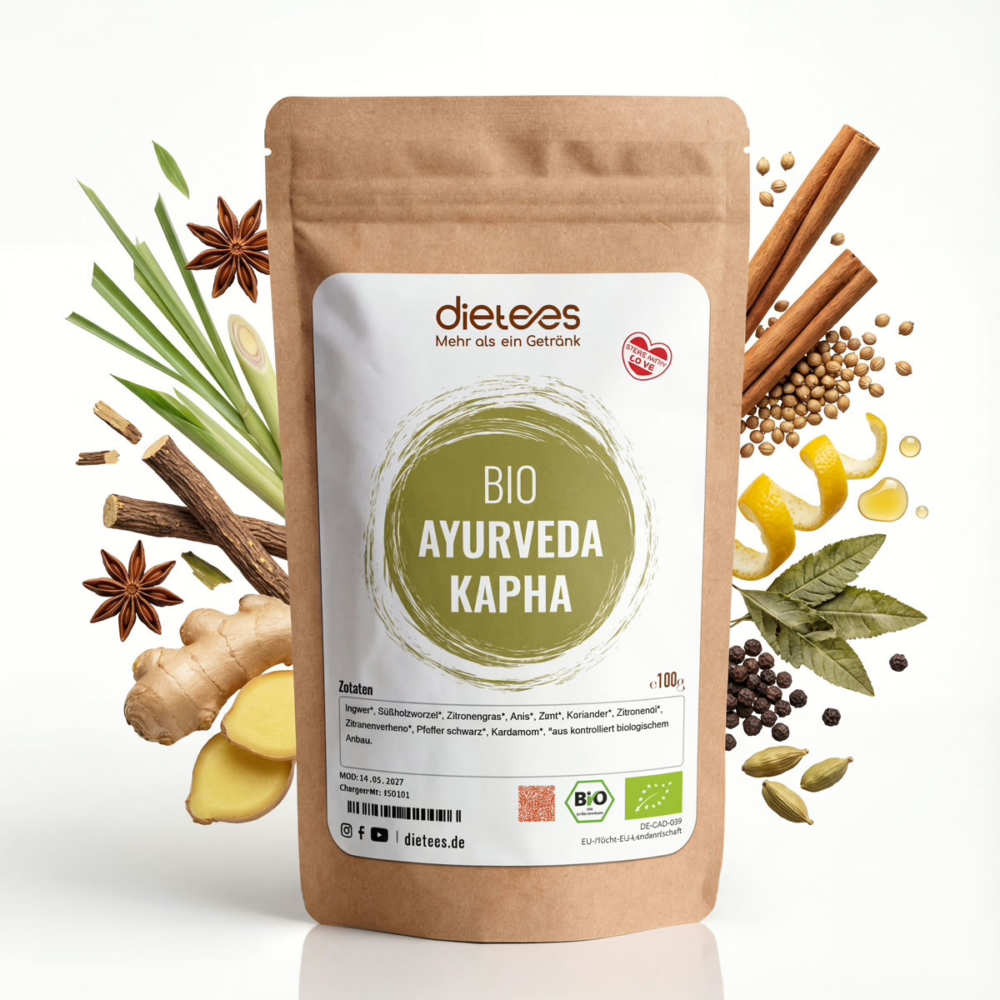
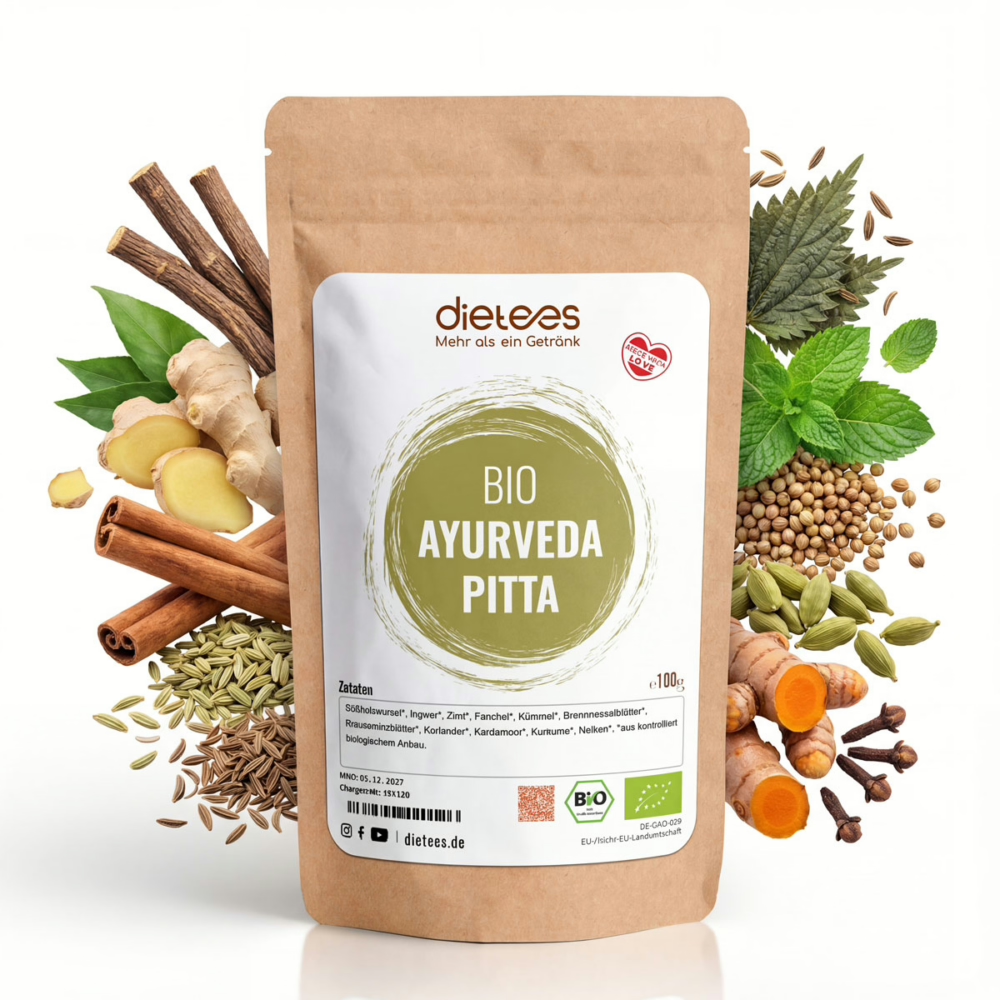
Matching products for this article
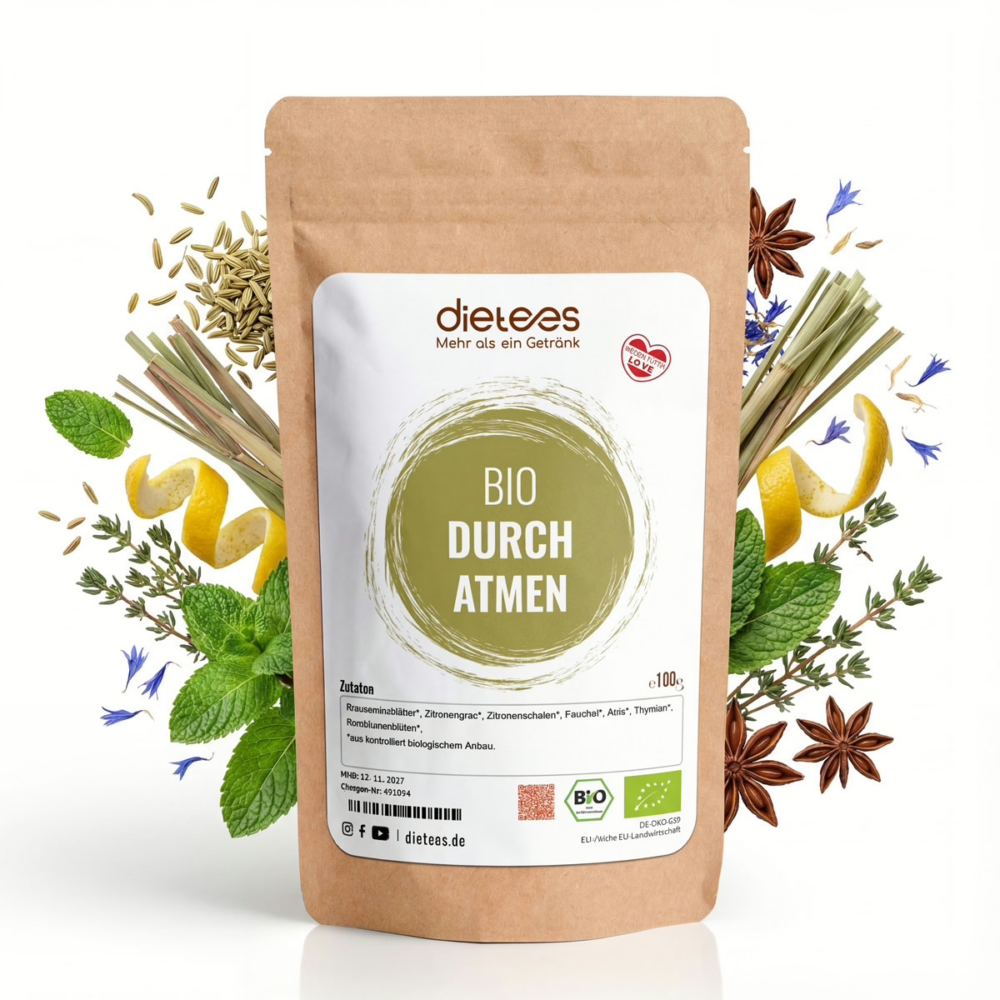
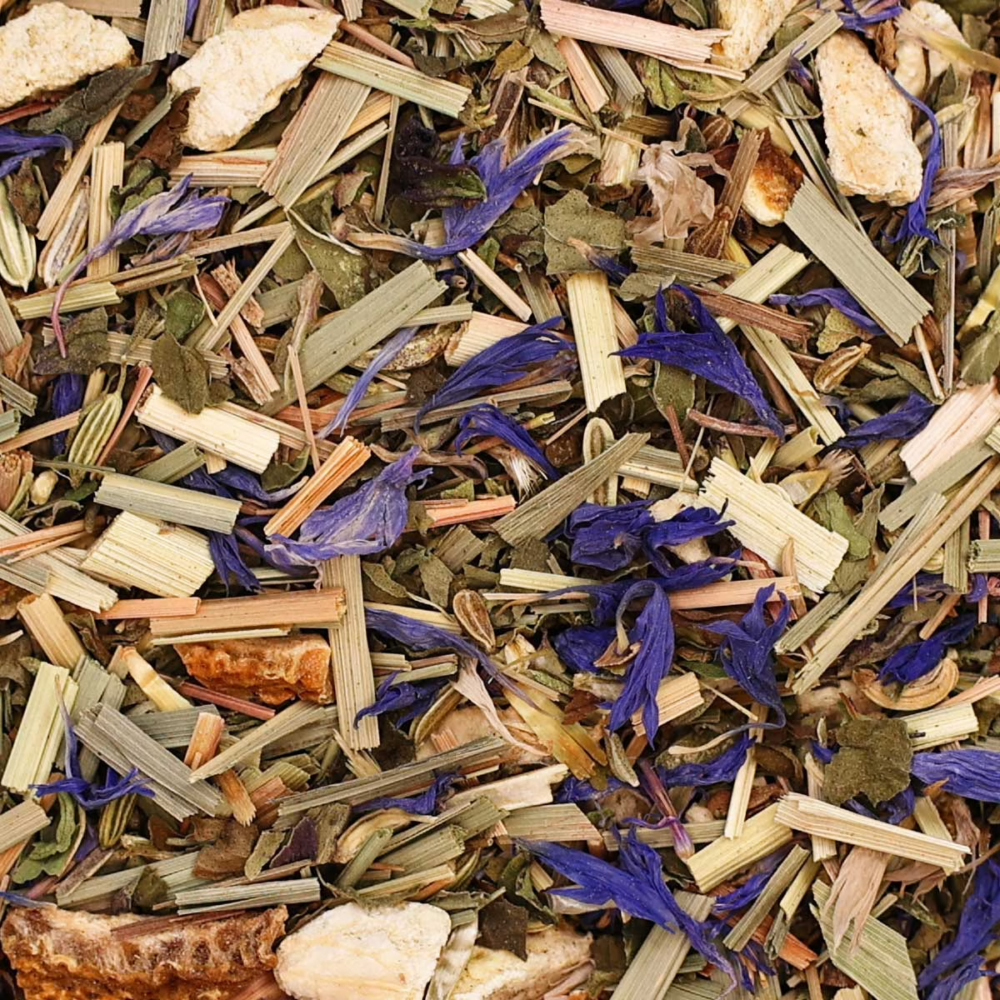
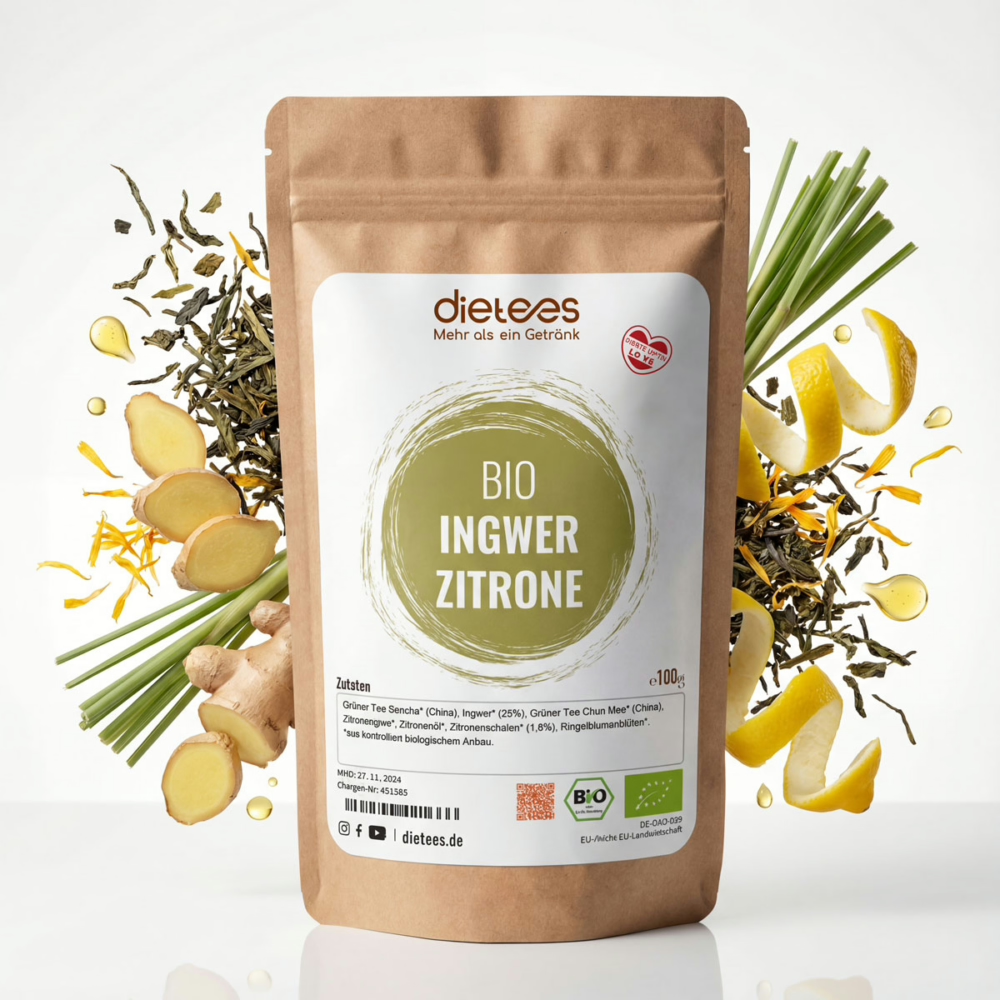
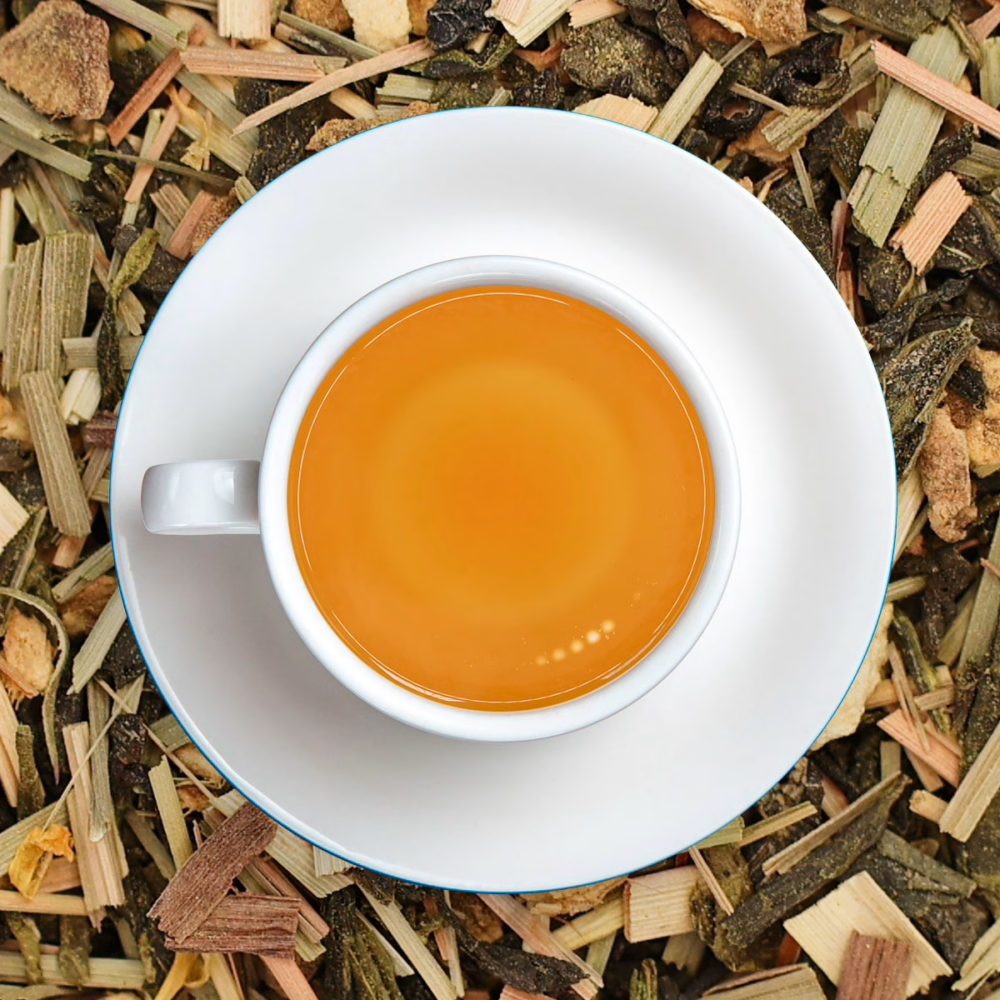
You might also like
Discover in the shop: all tea varieties view →