

DieTees Herb Encyclopedia
Cornflower Blossom in Tea – Floral Elegance & Vibrant Colour
Oct
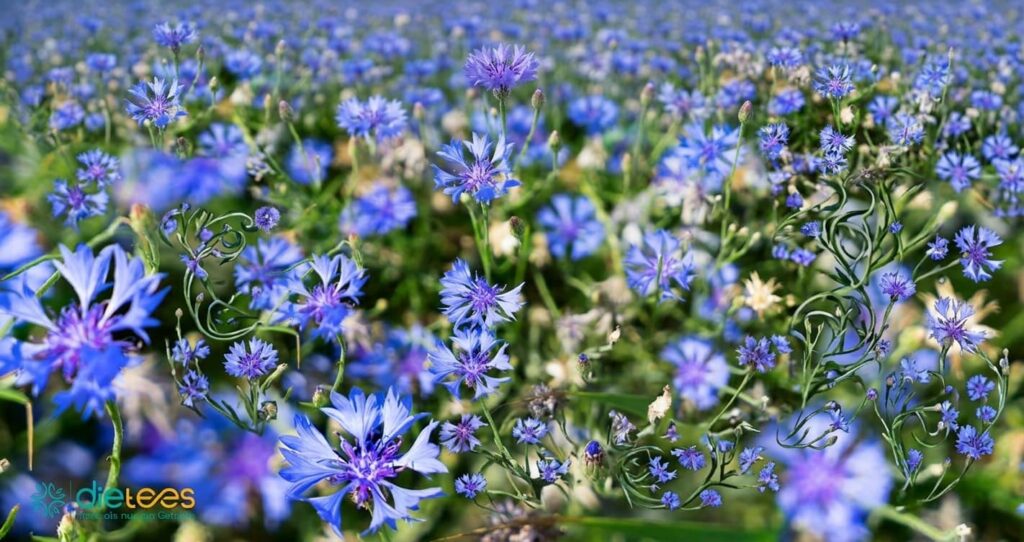
Cornflower blossom (Centaurea cyanus) captivates with its intense blue colour and delicate, floral aroma. In tea blends, it creates visual highlights and lends every cup a special elegance.
Origin and characteristics
The cornflower is native to Europe and grows preferably in nutrient-poor soils. It used to be common in grain fields; today it is cultivated deliberately.
- Flowering period: May to September
- Character: delicate, intensely blue blossoms
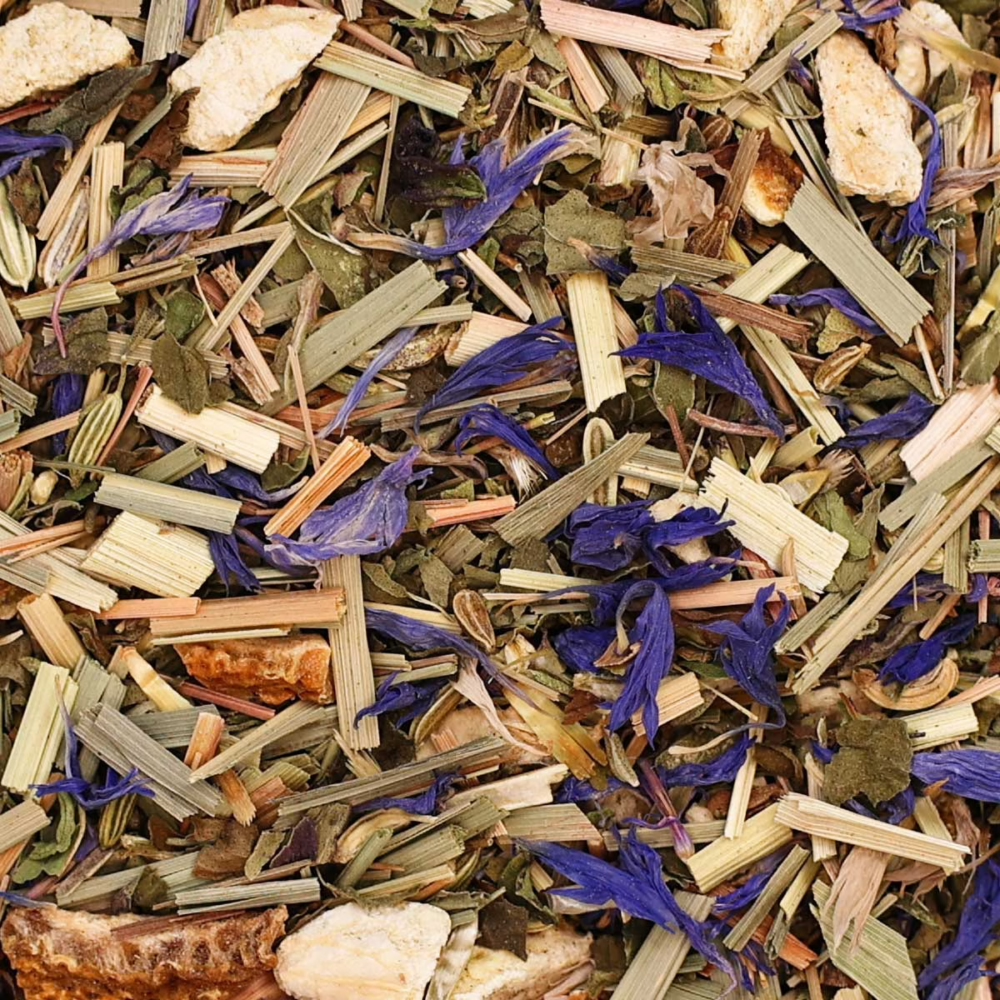
- Processing: hand-picked and gently dried
DieTees sources cornflower blossoms from carefully selected growing regions to ensure premium quality and pure aroma.
Flavour and aroma
Cornflower blossoms have a mild, slightly floral aroma. They are subtle in flavour and complement tea blends without masking dominant notes.
- fine and elegant
- subtly floral
- visually decorative
Besides flavour, they above all provide an aesthetic enhancement to loose tea blends.
Which teas pair well with cornflower blossoms?
- Black tea – for colourful accents
- Green tea – for a floral nuance
- Herbal teas – e.g. with mint or lemon balm
- Fruit teas – especially with berries or apple
- Spice teas – as a visual contrast
Preparation
- 1 teaspoon cornflower blossoms
- 250 ml hot water
- Steep for 5–7 minutes
The blossoms can be infused on their own or as part of a tea blend.
Notes
People with a known sensitivity to Asteraceae plants should be cautious. If in doubt, individual advice is recommended.
Conclusion
Cornflower blossom in tea stands for floral elegance and visual refinement. As a decorative and subtly flavoured ingredient, it enriches a wide variety of tea blends and turns every cup into a special moment of enjoyment.
Matching products for this article


You might also like
Discover in the shop: Herbal tea view →
Bio Free Your MindBio Active Power TeeBio Ingwer Fenchel Kräutertee – Stomach Settler