

DieTees Herb Encyclopedia
Carob in Tea – Natural Sweetness & Caramel-Like Aroma

Oct
Carob, also known as Carob (Ceratonia siliqua) brings a pleasantly sweet, slightly caramel-like note to tea blends.
The chocolate-brown pods of the carob tree originate from the Mediterranean region. Dried and ground, they develop a mild, nutty aroma that pairs especially well with herbal and black teas.
Origin and cultivation
The carob tree grows in the sunny regions of the Mediterranean. It is considered robust and drought-resistant. After harvesting, the pods are gently dried to preserve their natural aroma.
Flavour and character
- Naturally sweet: without added sugar
- Caramel-like: slightly reminiscent of cocoa
- Mildly nutty: rounds off tea blends harmoniously
Carob is ideal for blends that need a gentle sweetness without being overpowering.
Natural constituents
Carob contains, among other things:
- Dietary fibre
- Minerals such as calcium
- Plant-based compounds
These constituents make carob a popular ingredient in a wide variety of recipes.
Note: carob is a food ingredient and not a medicinal product.
Popular combinations
- Black tea & carob – full-bodied and balanced
- Green tea & carob – fresh notes with a mild sweetness
- Herbal teas & carob – harmonious finish
Preparation tips
Carob powder can be added directly to the tea blend.
- Amount: approx. 1 tsp per 250 ml
- Water temperature: 95–100 °C
- Steeping time: 5–8 minutes
Conclusion
Carob in tea stands for natural sweetness, a caramel-like aroma and versatile combination options. It lends tea blends depth and a pleasant, balanced flavour note.
👉 Discover premium organic tea blends with carob at DieTees – free shipping within Germany.
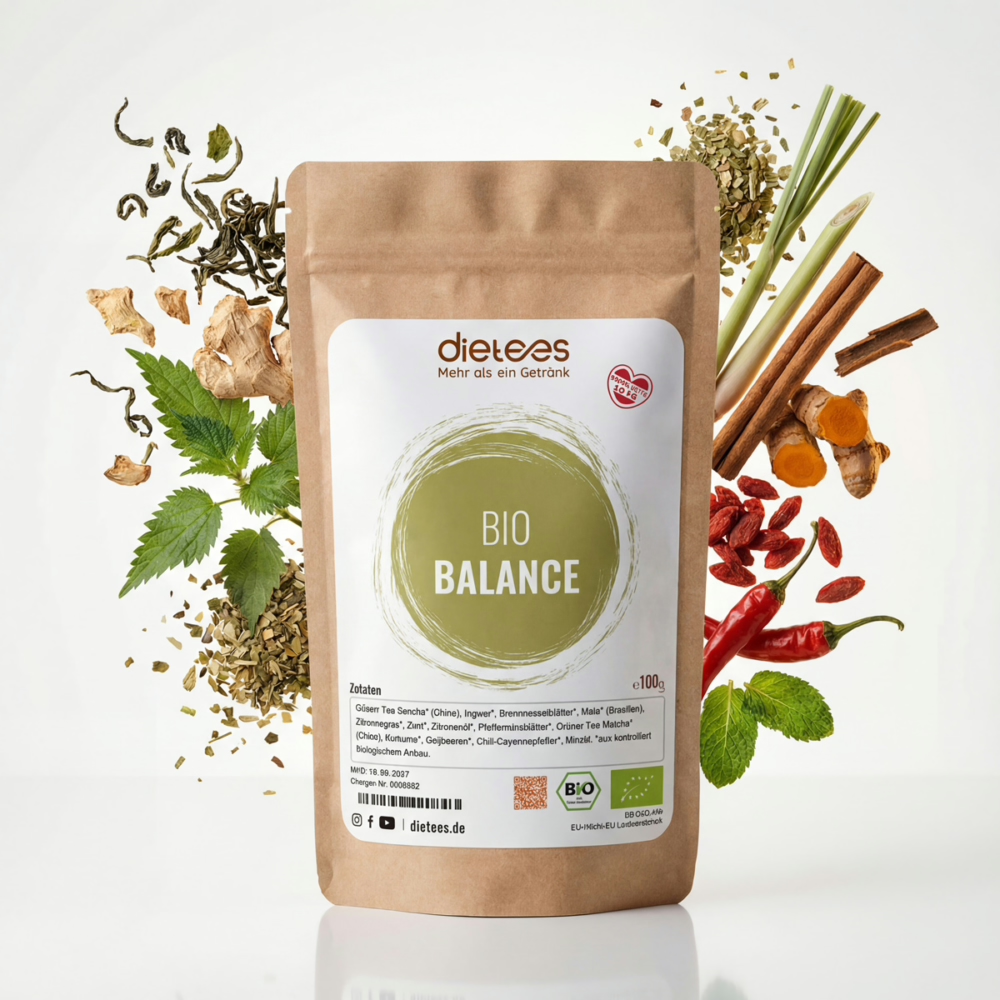
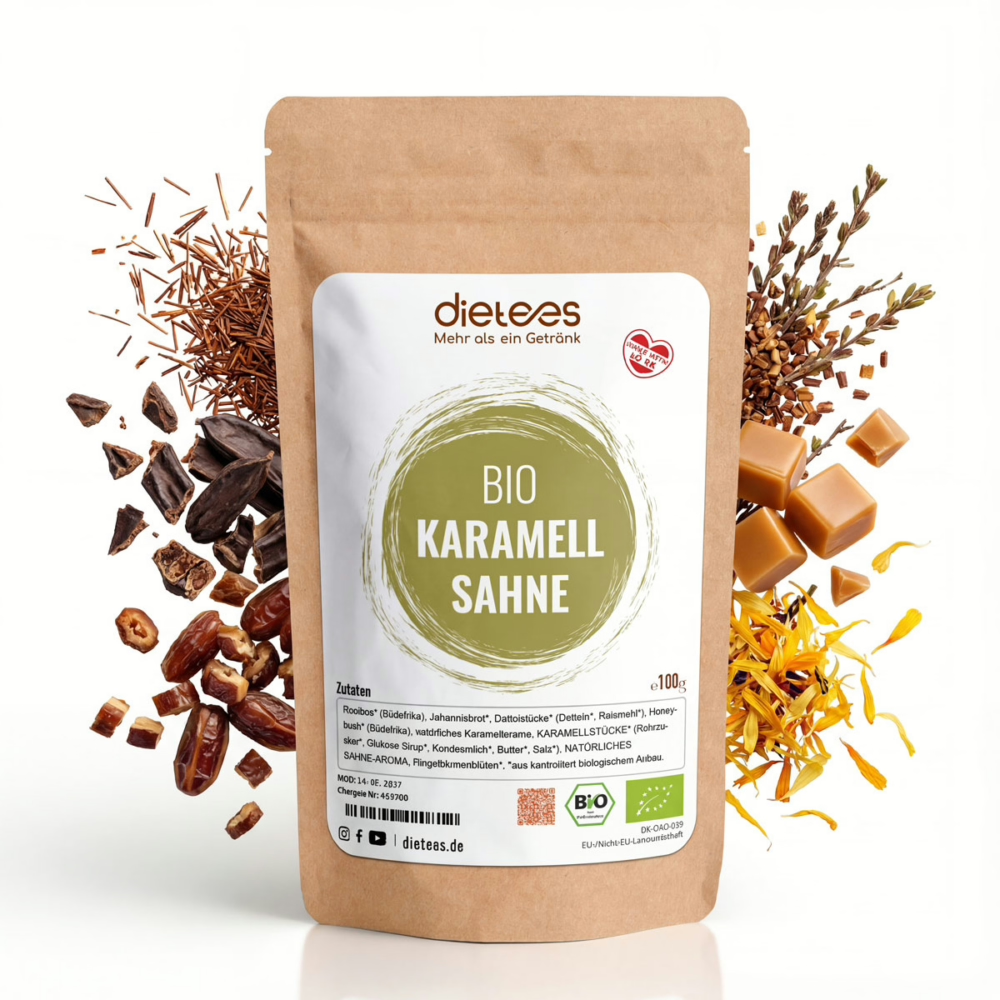
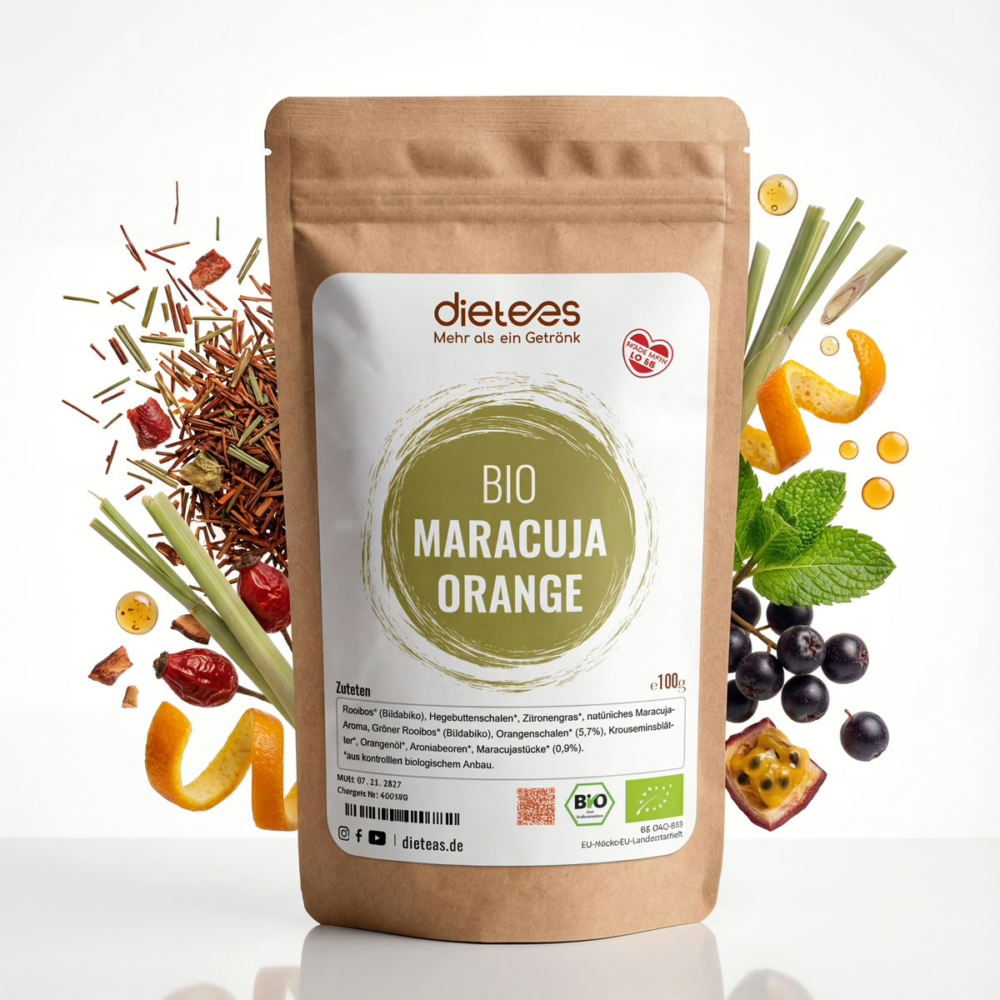
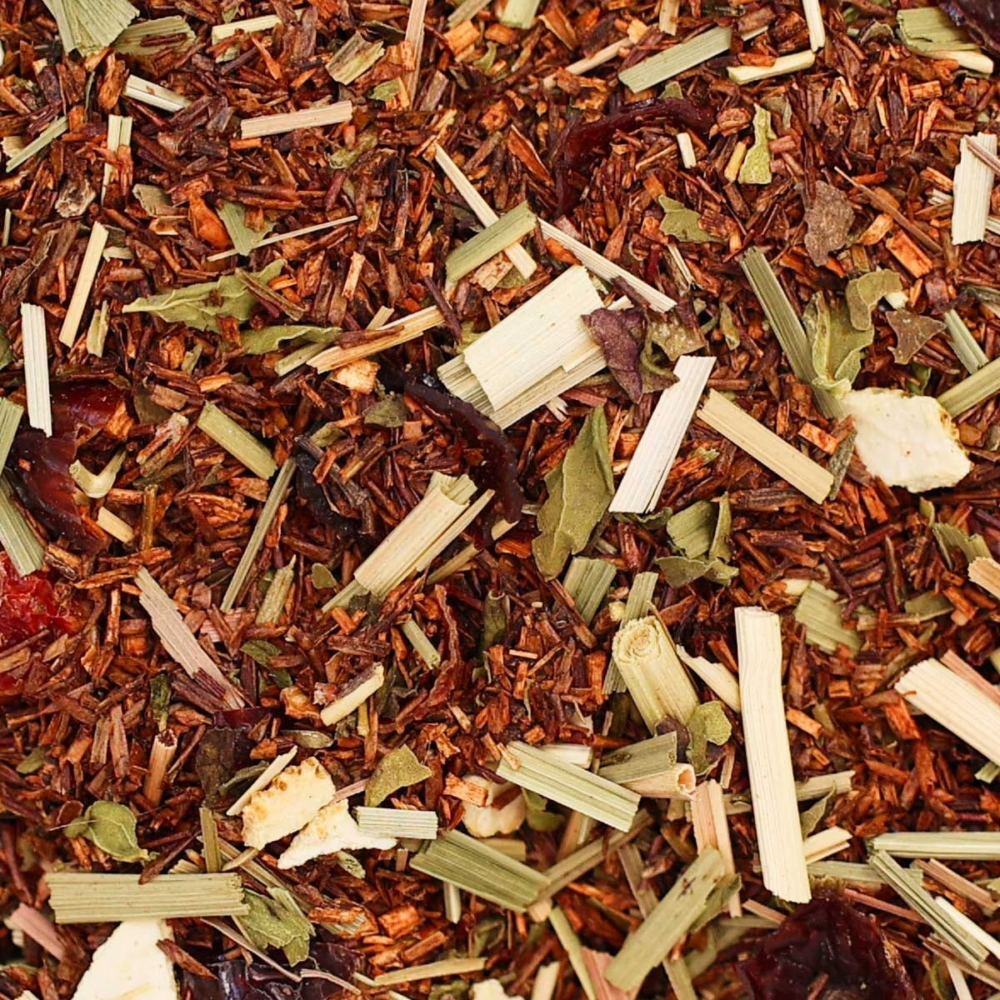
Matching products for this article
You might also like
Discover in the shop: all tea varieties view →