

DieTees Herb Encyclopedia
Lemongrass Taste – Fresh, Citrusy and Versatile

Oct
Lemongrass (Cymbopogon citratus) is known for its fresh, citrusy aroma and its versatile use in cooking and tea culture. As part of tea blends, it lends lightness and a pleasantly invigorating note — without the pronounced acidity of fresh lemon. In this article, you'll learn everything about the origin, flavour profile, growing regions and the right way to prepare lemongrass tea.
Introduction to the Plant
Lemongrass belongs to the grass family (Poaceae) and originates from Southeast Asia. The plant can grow up to 1.5 metres tall and is characterised by long, narrow leaves with an intense citrus scent. The natural plant compound responsible for its characteristic aroma is Citral.
Latin genus of the grass family
Long, narrow leaves define the plant
Natural plant compound — provides the citrus aroma
Native home of the plant — grown worldwide today
What Does Lemongrass Taste Like in Tea?
Lemongrass tea impresses with a fresh, slightly sweet and lemony flavour profile — without the pronounced acidity of fresh lemon. The aroma is clear and light, which makes lemongrass ideal for combining with other ingredients.
Fresh & Lemony
Clear citrus note without sharp acidity — light character
Slightly Sweet
A gentle, natural sweetness as a fine accent
Invigorating
A pleasantly invigorating note — perfect for aromatic variety
Lemongrass in Tea — Four Popular Combinations
The clear, light aroma of lemongrass combines harmoniously with many other plants. These four classics are especially popular:
+ Mint
Extra freshness and coolness
+ Ginger
Spicy depth as a contrast
+ Green Tea
An elegant citrus note with green tea
+ Fruit Tea
Summery lightness
Growing Regions
Lemongrass grows in tropical and subtropical regions. The plant prefers warm temperatures and well-drained soils. Important growing regions include:
India
Thailand
Vietnam
Africa & South America
Preparing Lemongrass Tea
Preparation is simple — and it's a delight both hot and cold as iced tea:
Matching Organic Teas with Lemongrass
In these organic herbal tea blends from our range, lemongrass contributes its fresh, citrusy note:

Organic 7 Sense Herbs
An aromatic blend for balance and enjoyment.

Organic Ayurveda Kapha
A spicy blend with lemongrass and warming spices.

Organic Children's Herbs
A gentle, soothing herbal tea for children.
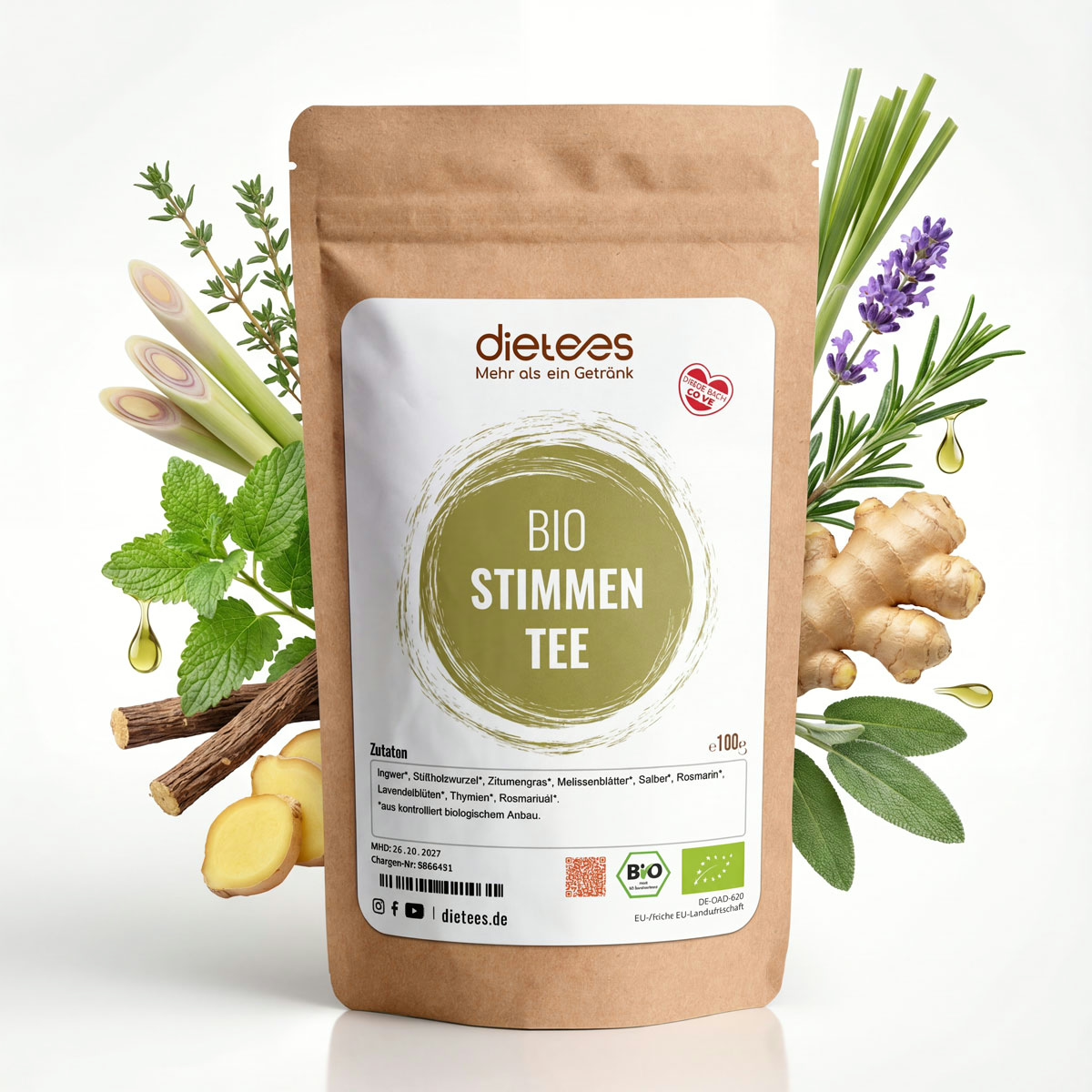
Organic Voice Tea
An herby blend with a pleasantly rounded character.
Frequently Asked Questions About Lemongrass Tea
What Does Lemongrass Taste Like in Tea?
In tea, lemongrass tastes fresh, slightly sweet and lemony — without the pronounced acidity of fresh lemon. The aroma is clear and light, making lemongrass a harmonious companion to other herbs and spices.
What Is Citral?
Citral is a natural plant compound — a main component of lemongrass essential oil. It is responsible for the plant's characteristic citrus scent.
Is Lemongrass Tea Caffeine-Free?
Pure lemongrass is caffeine-free. However, if the blend contains green or black tea, it will contain caffeine — you'll find this on the label.
What Does Lemongrass Combine Well With?
Lemongrass pairs particularly well with mint (freshness), ginger (spice), green tea (elegance) as well as fruit teas (summery lightness). It's also a popular ingredient in Ayurveda-inspired blends.
Where Does Lemongrass Grow?
Lemongrass grows in tropical and subtropical regions. The main growing regions are India, Thailand, Vietnam , as well as parts of Africa and South America. The plant prefers warm temperatures and well-drained soils.
Can I Also Drink Lemongrass Tea Cold?
Absolutely — lemongrass is excellent as iced tea. Brew the tea hot as usual, let it cool completely, and serve with ice cubes, fresh mint or an organic lime.
Note: Tea is a food and not a medicine. The ingredients mentioned (e.g. citral, essential oils) are natural plant compounds. Specific health-related claims are reserved for medicinal products. If you have health concerns, please consult a medical professional.
You might also like
Discover in the shop: all tea varieties view →