

DieTees Herb Encyclopedia
Stevia Leaves in Tea – Natural Sweetness Without Sugar
Oct
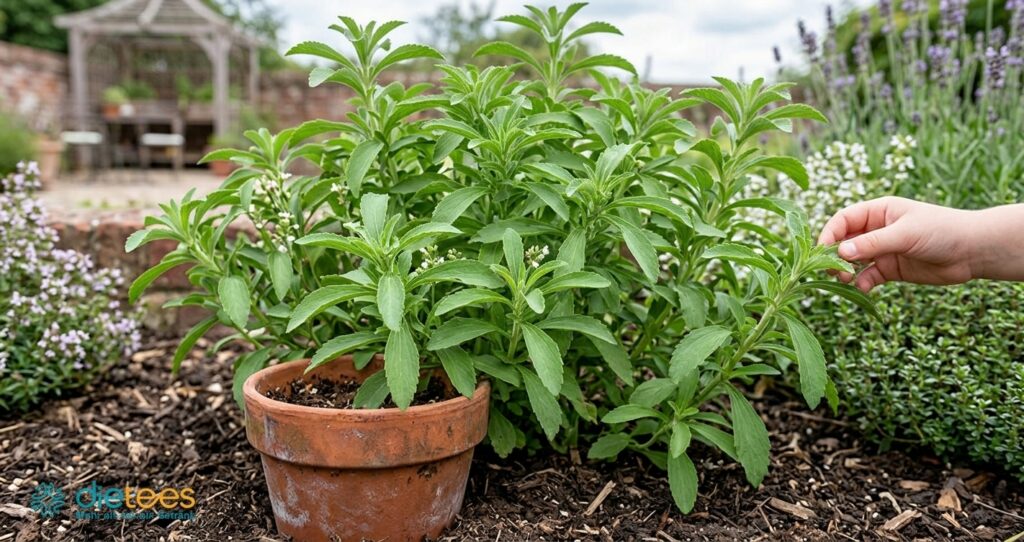
Stevia leaves, also known as sweet leaf, are a plant-based ingredient for anyone who wants to sweeten their tea naturally – without added sugar and without artificial sweeteners.
What is stevia or sweet leaf?
The plant Stevia rebaudiana originates from South America. Its leaves contain natural sweeteners, known as steviol glycosides, which have an intense sweetening power.
Dried stevia leaves are traditionally used to round off the flavour of beverages – especially tea.
Why are stevia leaves used in tea?
- ✔ Intense sweetening power: Even small amounts are enough
- ✔ Plant-based origin: pure leaf ingredient
- ✔ No added sugar: ideal for mindful enjoyment
- ✔ Aromatic balance: complements herbal and fruit teas
Stevia leaves in tea provide a natural sweetness without masking the base aroma of the blend.
Flavour: sweet with a light herbal note
Stevia gives the infusion a long-lasting sweetness with a subtly herbaceous aftertaste. It pairs particularly well with:
- Herbal teas such as mint or chamomile
- Fruit teas with hibiscus or rosehip
- Green tea for a fresh balance
- Spice teas and chai blends
Processing the stevia leaves
After harvesting, the leaves are washed and gently dried. In this form, they can be used directly in tea blends.
When infused, they slowly release their natural sweetening power.
Notes on use
Because of its high sweetening power, a small amount of stevia leaves is already enough. A sparing dosage ensures a well-balanced flavour.
Conclusion
Stevia leaves in tea offer a plant-based way to sweeten tea blends. Especially for anyone looking to avoid sugar, they are an interesting alternative in herbal and fruit teas.
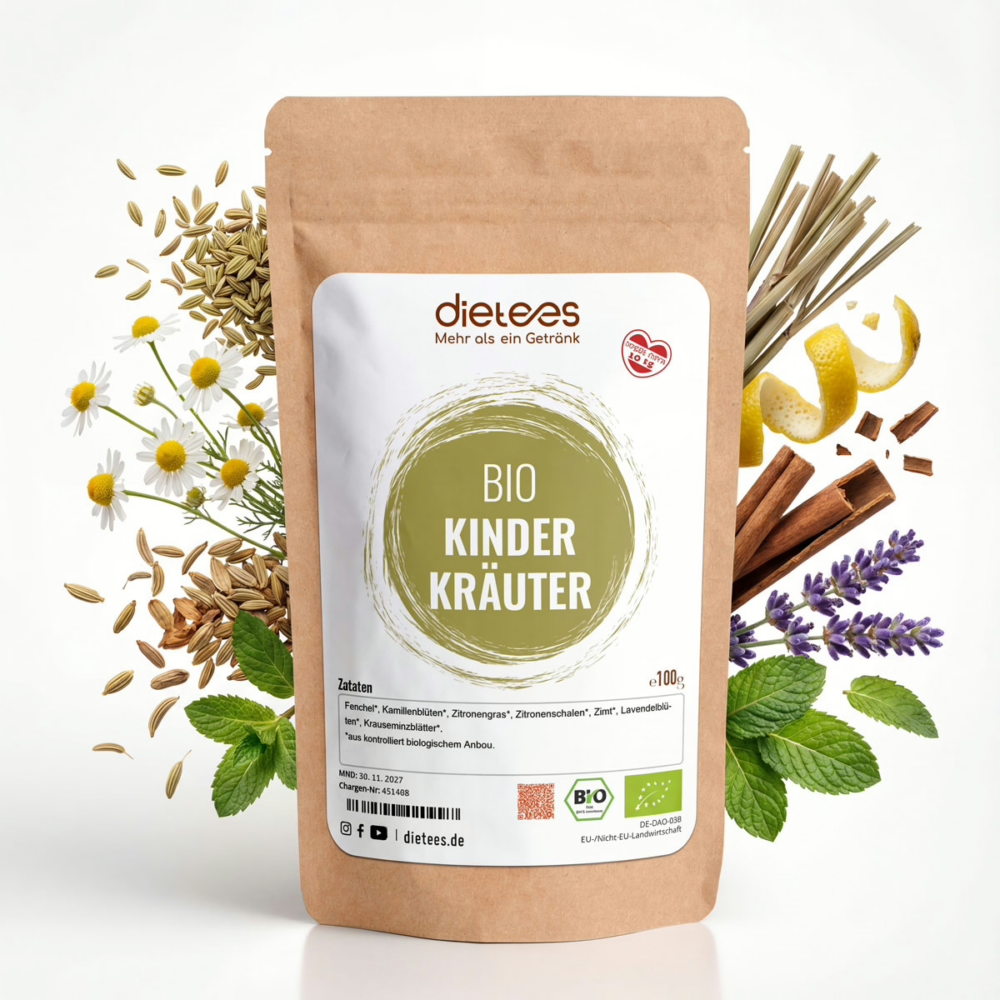
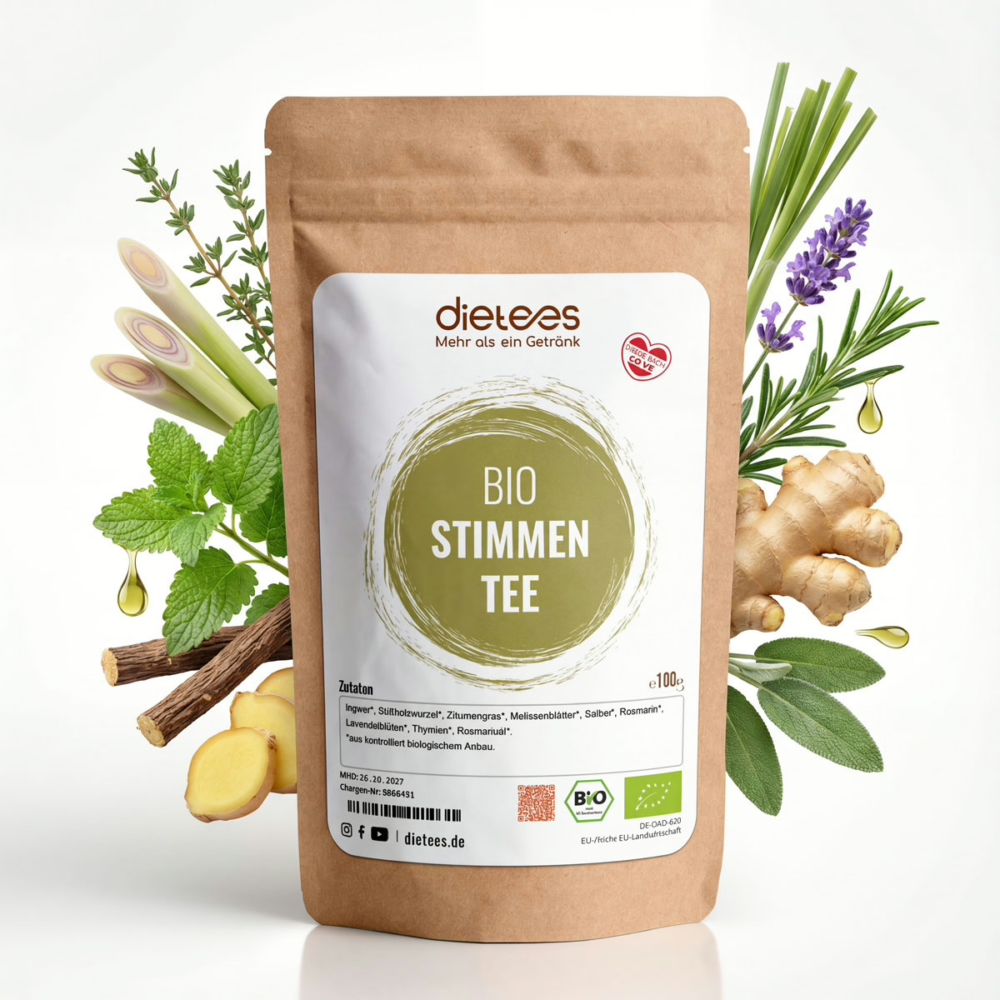
Matching products for this article
You might also like
Discover in the shop: all tea varieties view →