

DieTees Herb Encyclopedia
Maca in Tea – Earthy Depth with a Nutty Note

Oct
Maca root (Lepidium meyenii) comes from the highlands of the Peruvian Andes and has been cultivated for centuries. In tea blends, it lends a distinctive aromatic depth and a characteristic, slightly malty-nutty flavour profile.
Origin and tradition
Maca grows at extreme altitudes in the Andes under demanding climatic conditions. The root has traditionally been used as a food and is now known worldwide as a versatile plant ingredient.
Taste and aroma of maca root
Maca has an earthy, slightly sweet and nutty aroma with malty undertones. Its flavour profile comes across as:
- earthy and full-bodied
- subtly sweet
- slightly caramel-like on the finish
These qualities make maca an exciting addition to bold or spice-forward tea blends.
Popular combinations with maca
- Black tea + maca: intense, nutty depth
- Green tea + maca: harmonious contrast
- Herbal tea + maca: a gentle complement to lemon balm or mint
- Spiced tea + maca: ideal with cinnamon or ginger
- Fruit tea + maca: an interesting flavour nuance
Preparing maca tea
- 1 teaspoon of maca powder or small root pieces
- 250 ml hot water
- steep for 5–7 minutes
To taste, the tea can be refined with honey or spices.
Notes
People with individual intolerances or specific dietary requirements should carefully consider its use. A moderate dosage is recommended.
Conclusion
Maca in tea stands for earthy depth, nutty nuances and an exciting dimension of flavour. As an extraordinary plant ingredient, it gives tea blends character and a distinctive aromatic note.
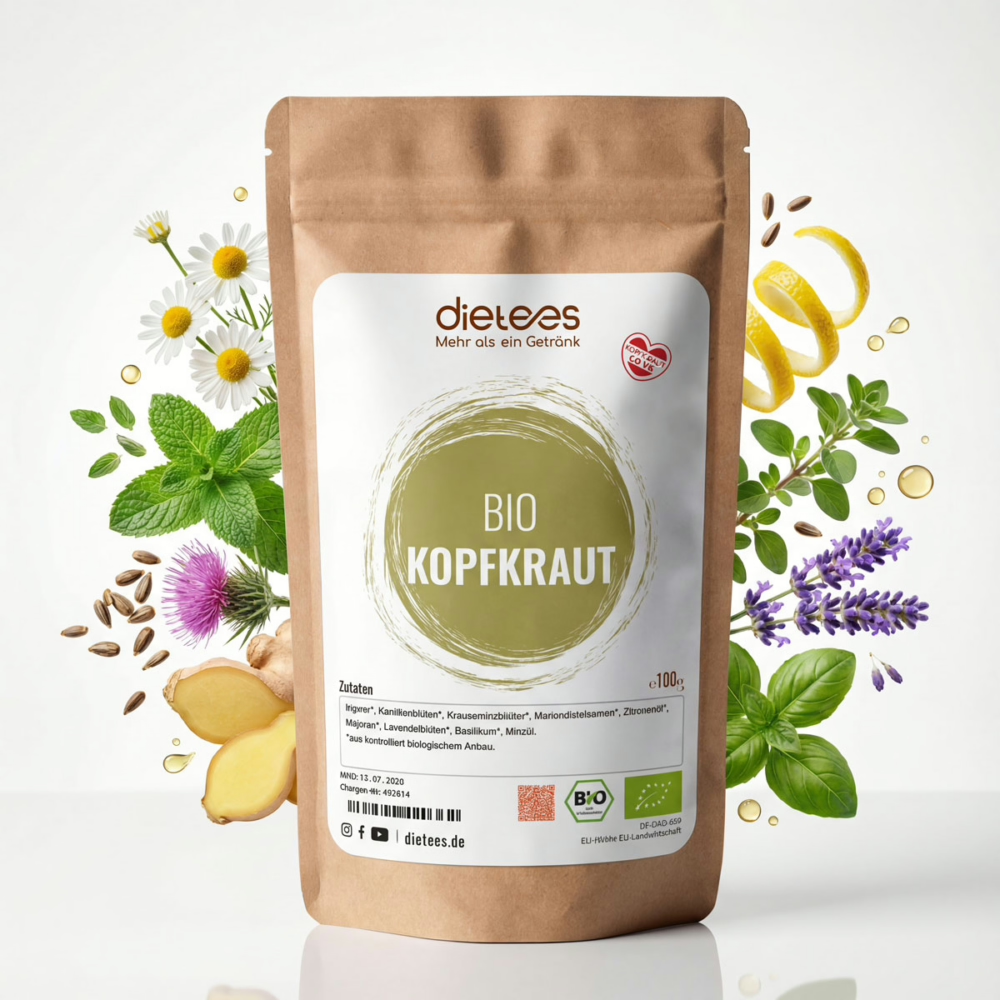
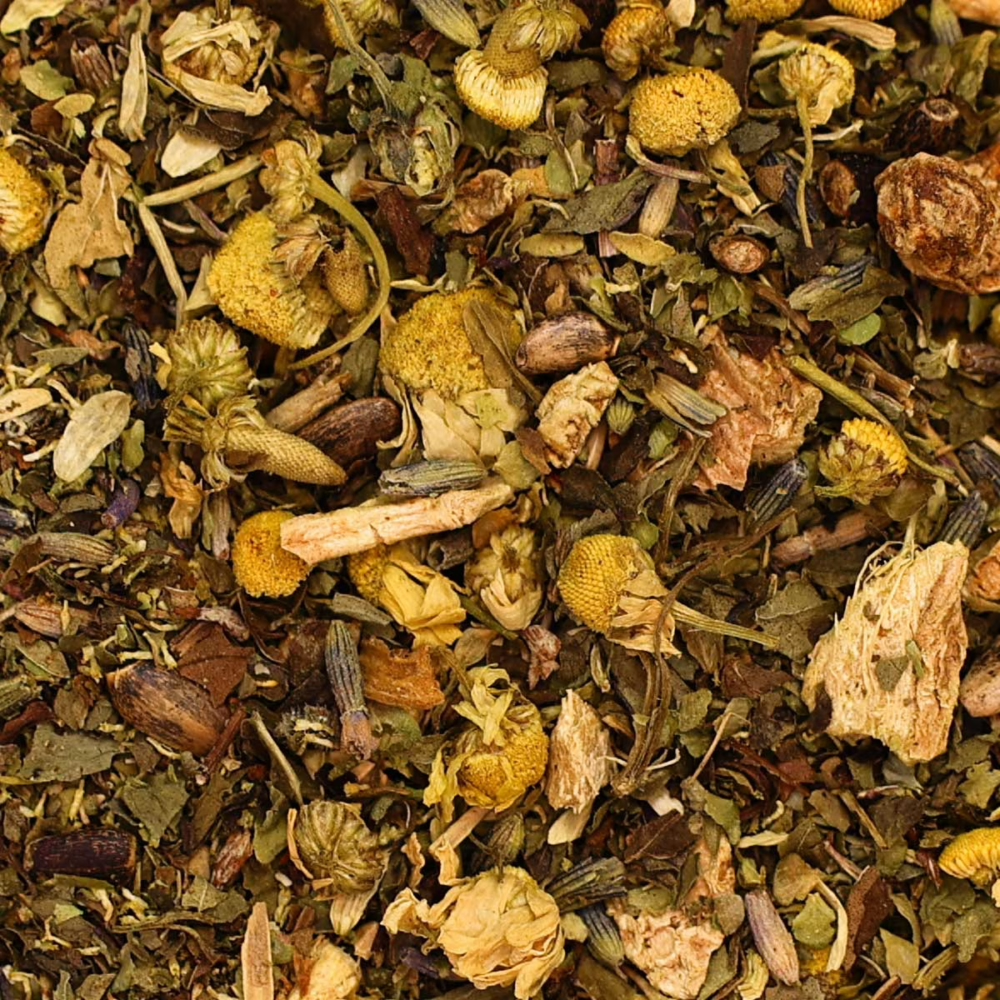
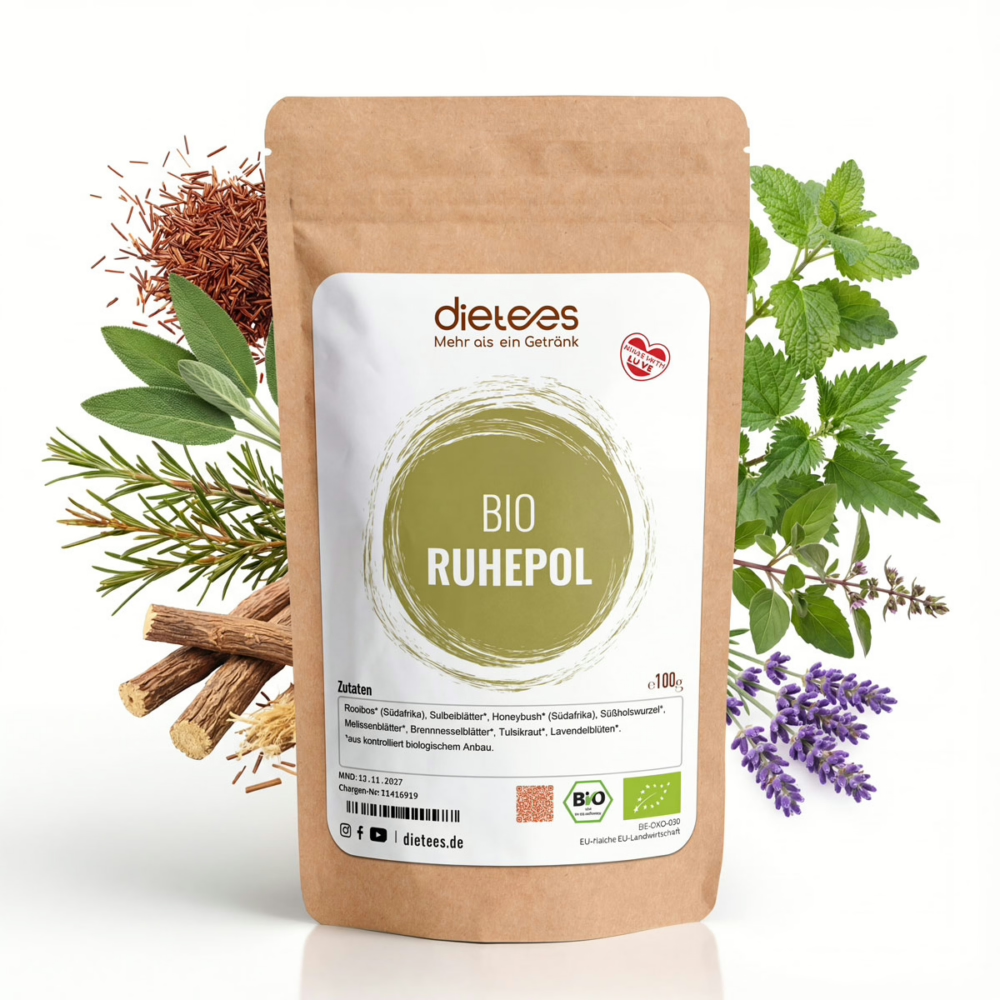
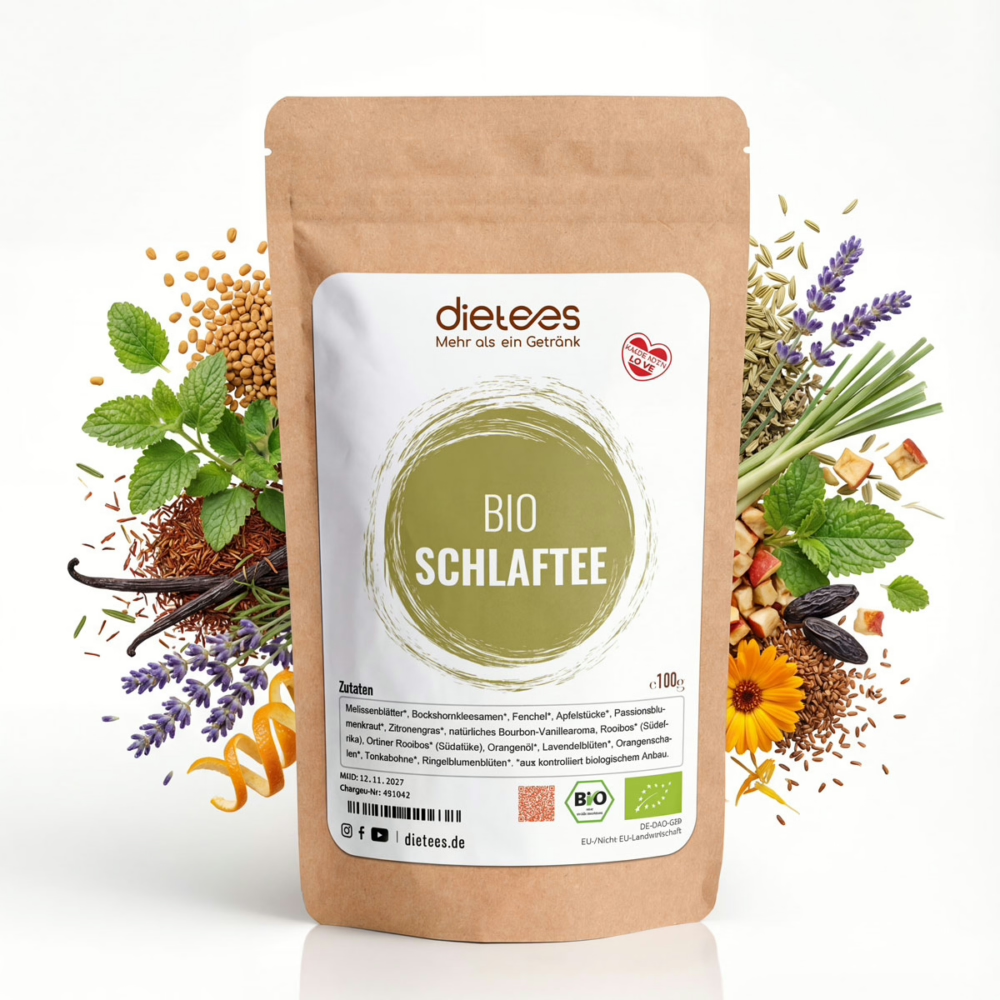
Matching products for this article



You might also like
Discover in the shop: all tea varieties view →