

DieTees Herb Encyclopedia
Hibiscus in Tea – Fruity Tartness & Intense Colour
Oct
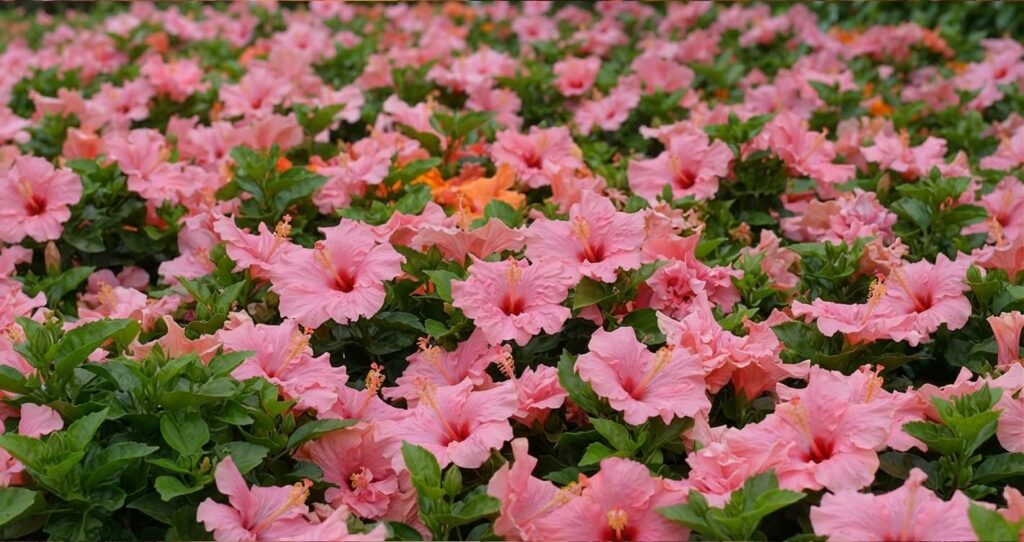
Vibrant red, pleasantly tart and aromatic – hibiscus flowers are one of the most popular ingredients in herbal and fruit teas.
Hibiscus flower (Hibiscus sabdariffa) is grown in tropical and subtropical regions and is known worldwide for its characteristic flavour. In tea blends, hibiscus provides freshness, colour and a lively aroma profile.
Origin and tradition
Hibiscus originally comes from Africa and Asia. Hibiscus tea is traditionally enjoyed as a hot or cold drink, especially in Egypt and Mexico. Its intense colour and fruity flavour have made it a treasured ingredient for centuries.
Flavour and character
- Fruity-tart: reminiscent of red berries
- Refreshing: ideal for summer and iced teas
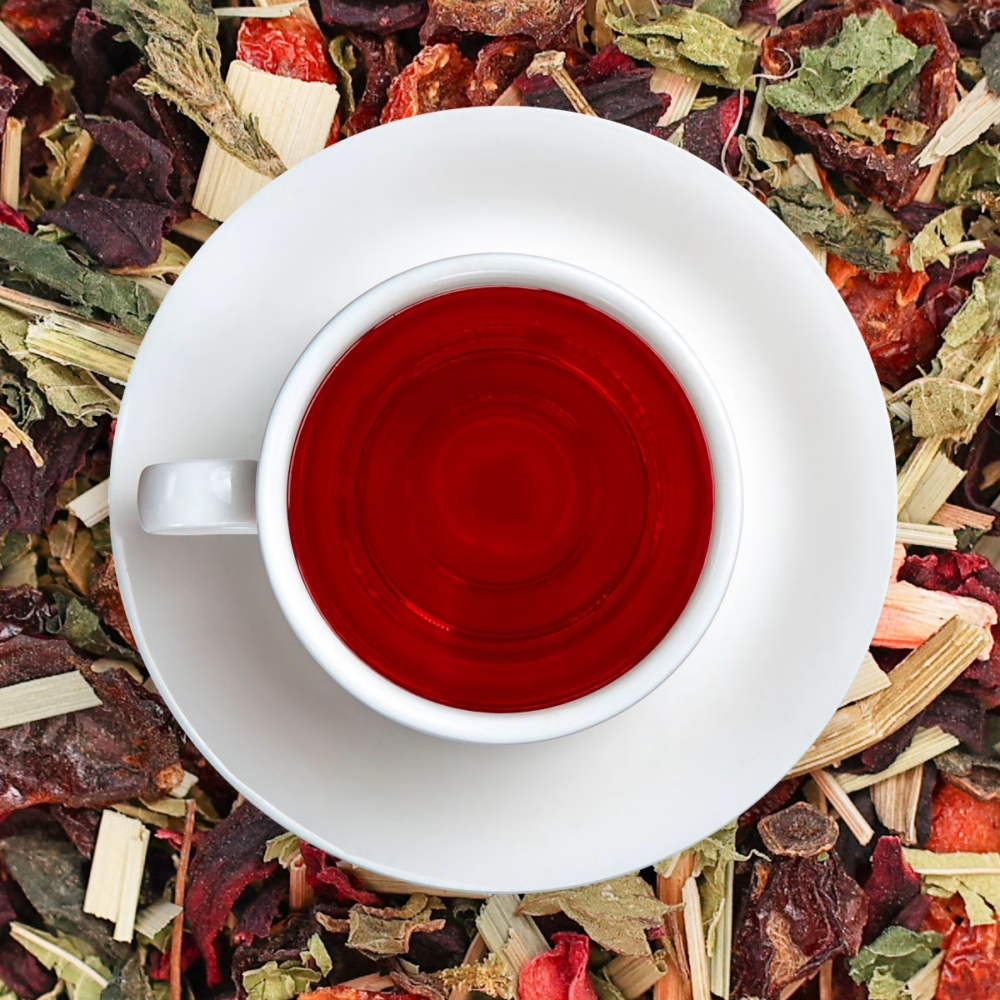
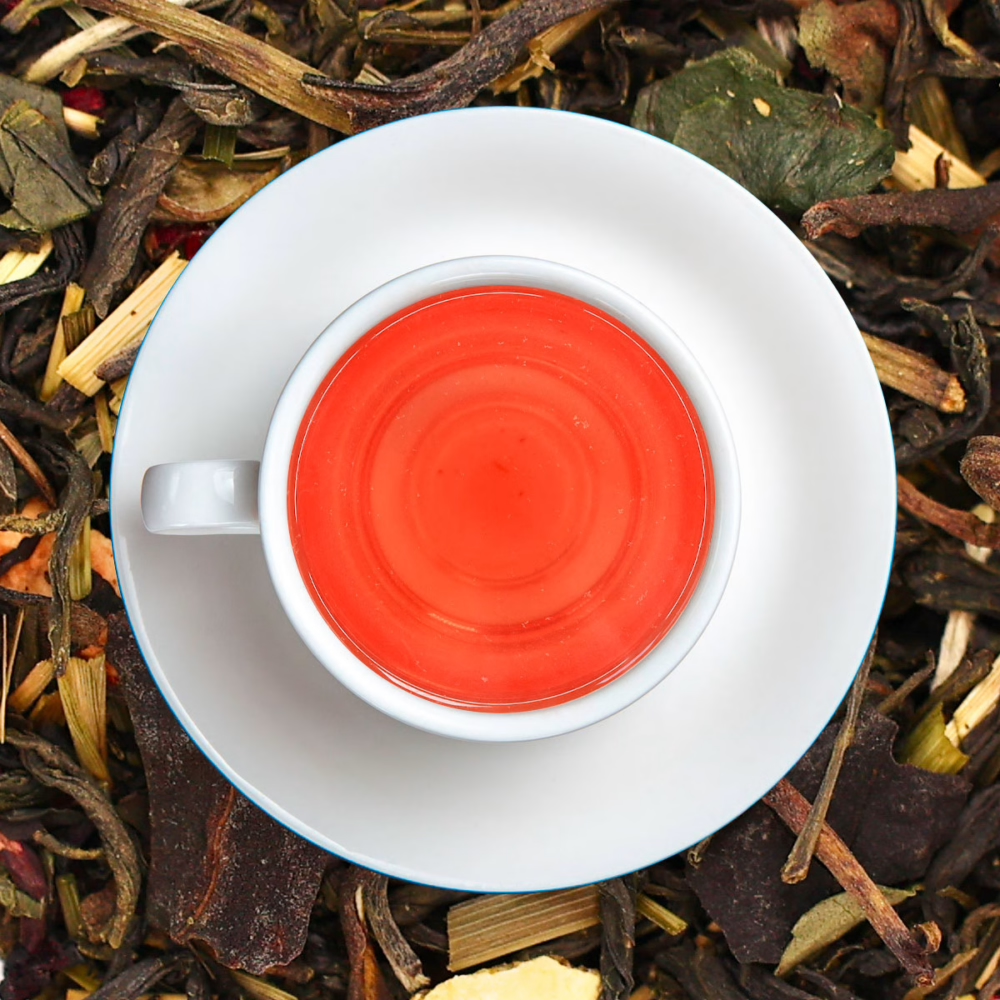
- Rich in colour: gives a deep red cup colour
Tea with hibiscus feels lively and well-balanced – especially when combined with sweeter ingredients.
Natural constituents
Hibiscus flowers contain, among other things:
- natural plant pigments (anthocyanins)
- vitamin C
- organic fruit acids
These constituents are often mentioned in connection with antioxidant properties.
Note: Hibiscus is a food ingredient and not a medicinal product.
Popular combinations
- Hibiscus & ginger – for a spicy-fresh note
- Hibiscus & cinnamon – for wintery blends
- Hibiscus & mint – for refreshing teas
- Hibiscus & rosehip – for a fruity balance
- Hibiscus & apple – for natural sweetness
Preparing hibiscus tea
- Amount: 1–2 tsp per 250 ml
- Water temperature: 100 °C
- Steeping time: 5–7 minutes
Hibiscus tea also works beautifully as an iced tea – simply let it cool and serve over ice.
Conclusion
Hibiscus in tea stands for intense colour, fruity tartness and versatile combination possibilities. It gives tea blends vibrancy and an unmistakable aroma.
👉 Discover premium Organic tea blends with hibiscus at DieTees – free shipping within Germany.
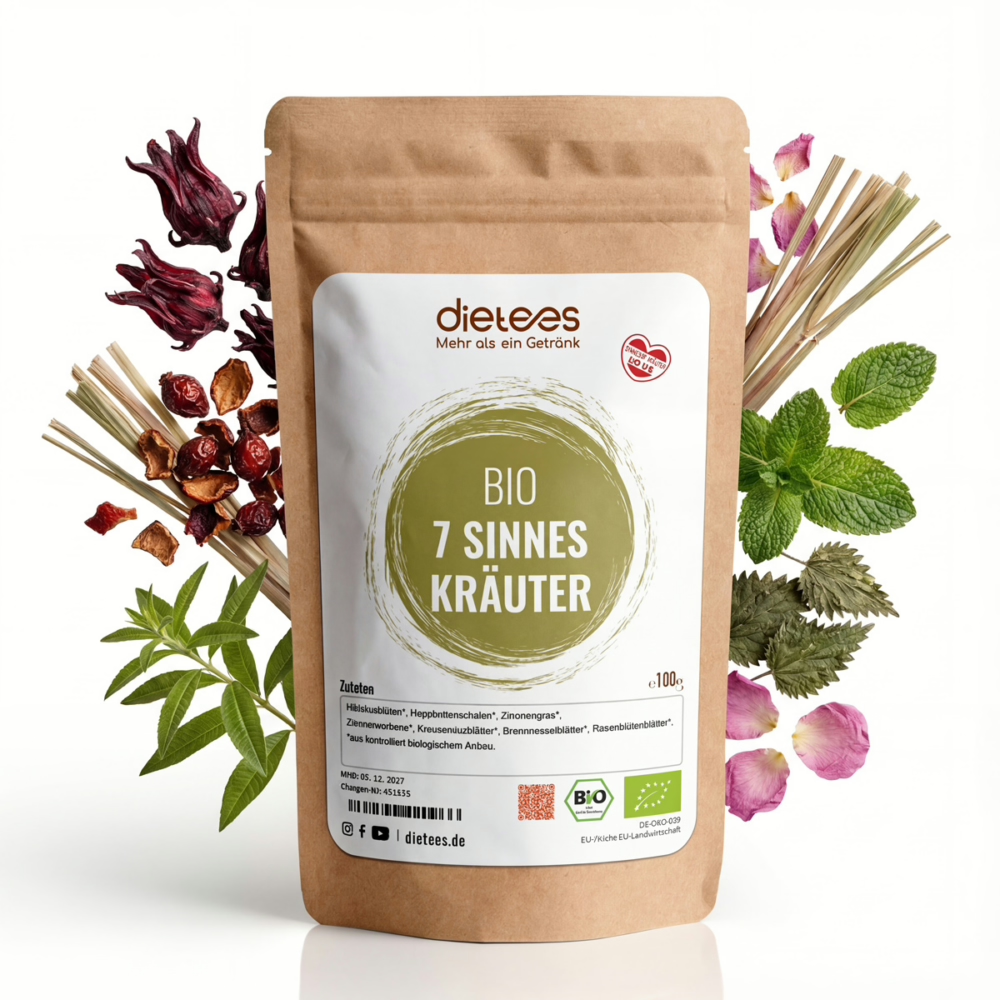
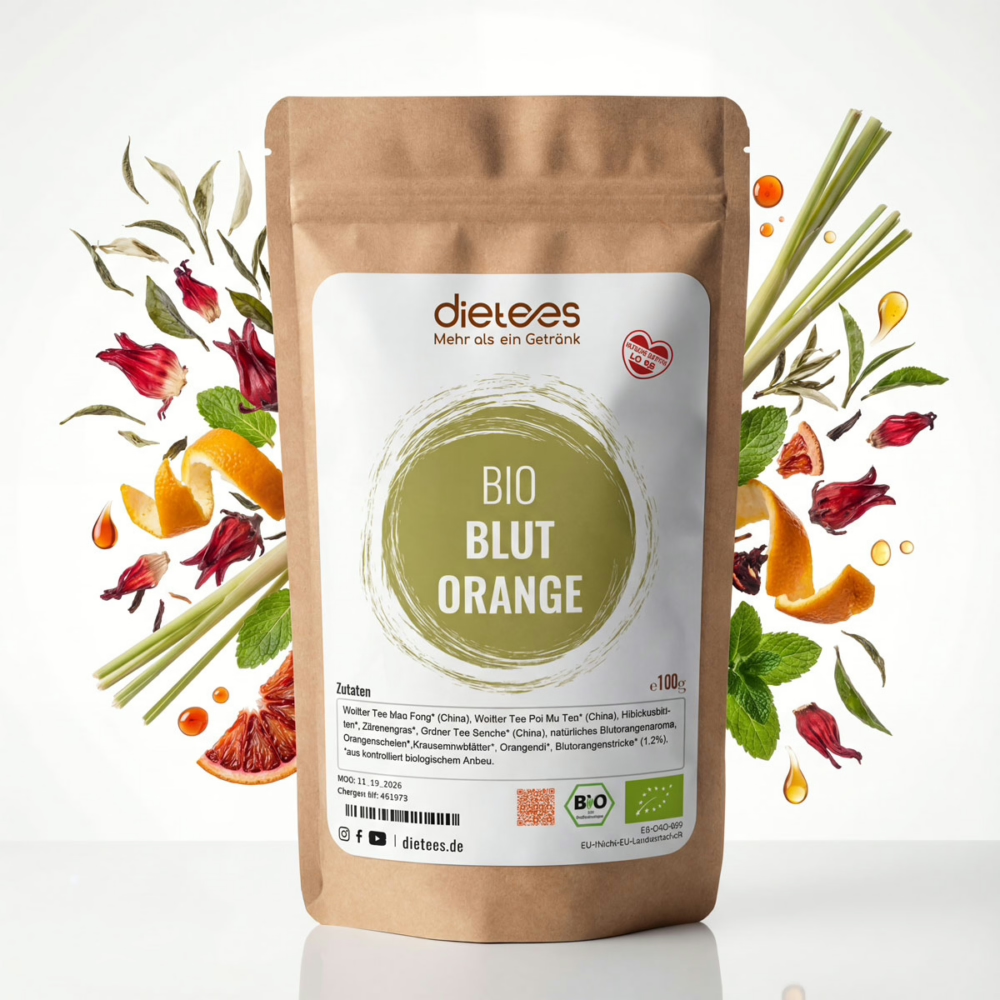
Matching products for this article
You might also like
Discover in the shop: Fruit tea view →