

DieTees Herb Encyclopedia
Rosehip Shells in Tea – Fruity Freshness & Natural Colour

Oct
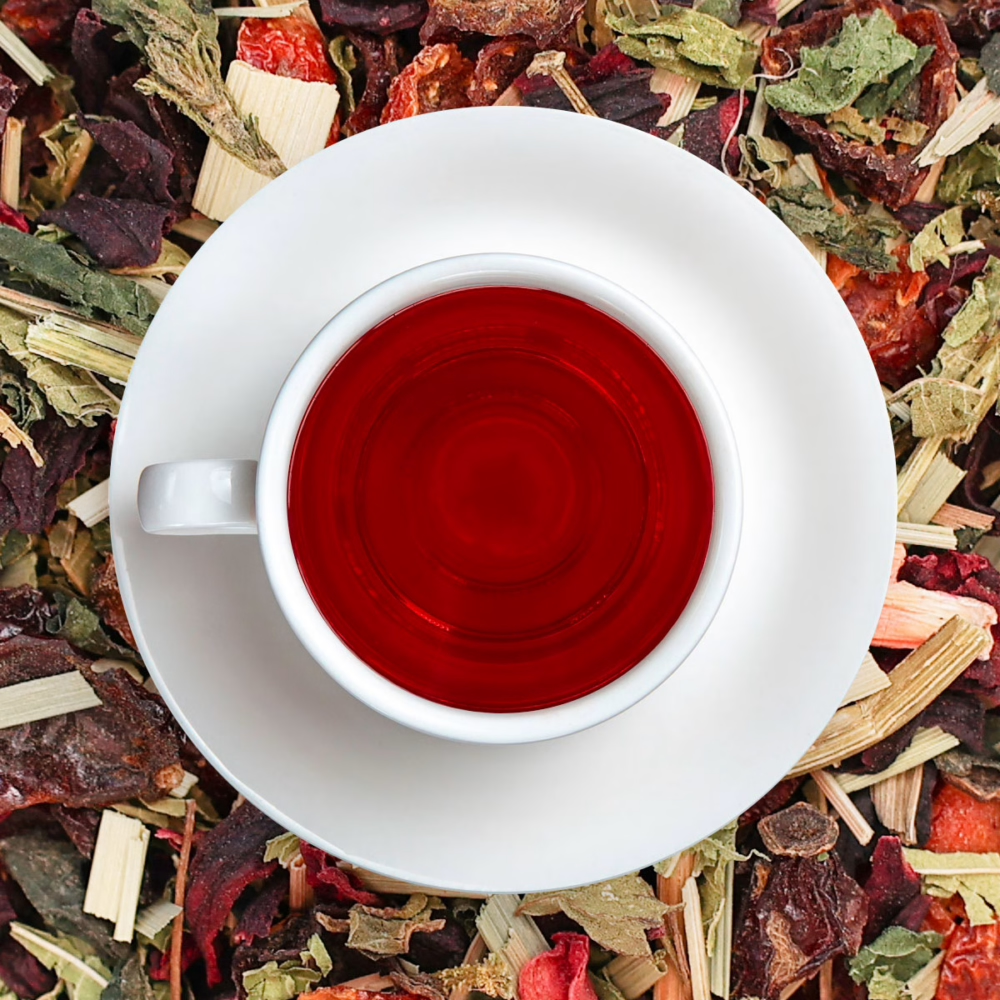
Rosehip shells bring a vibrant, slightly tangy note to every cup and give the infusion an intense reddish colour.
Rosehip shells come from the fruit of the wild rose (Rosa canina) and have been a popular ingredient in herbal and fruit teas for centuries. Their fruity flavour makes them a versatile component of modern tea blends.
Origin and tradition
The rosehip grows in Europe, Asia and North America. Traditionally, its fruits were used in many different ways across various regions – among other things as an ingredient for infusions and beverages.
Taste and character
- Fruity-tangy: reminiscent of red berries
- Refreshing: brings vibrancy to herbal blends
- Colour-intensive: gives a reddish cup colour
Tea with rosehip shells has a harmonious and balanced effect – especially in combination with hibiscus or citrus notes.
Natural ingredients
Rosehip shells contain, among other things:
- naturally occurring vitamin C
- plant pigments
- secondary plant compounds
These components are often discussed in connection with antioxidant properties.
Note: Rosehip shells are a food ingredient, not a medicinal product.
Rosehip shells in tea blends
They pair particularly well with:
- Hibiscus – for an intense fruit note
- Green tea – for a balanced freshness
- Cinnamon & cloves – for wintery blends
- Citrus fruits – for summery lightness
Preparation
- Amount: 1–2 tsp per 250 ml
- Water temperature: 100 °C
- Steeping time: 8–10 minutes
For a rounder flavour note, the infusion can be complemented with honey or maple syrup.
Conclusion
Rosehip shells in tea stand for fruity tartness, vibrant colour and versatile combination options. They make every tea blend aromatic and visually distinctive.
👉 Discover premium Organic tea blends with rosehip shells at DieTees – free shipping within Germany.
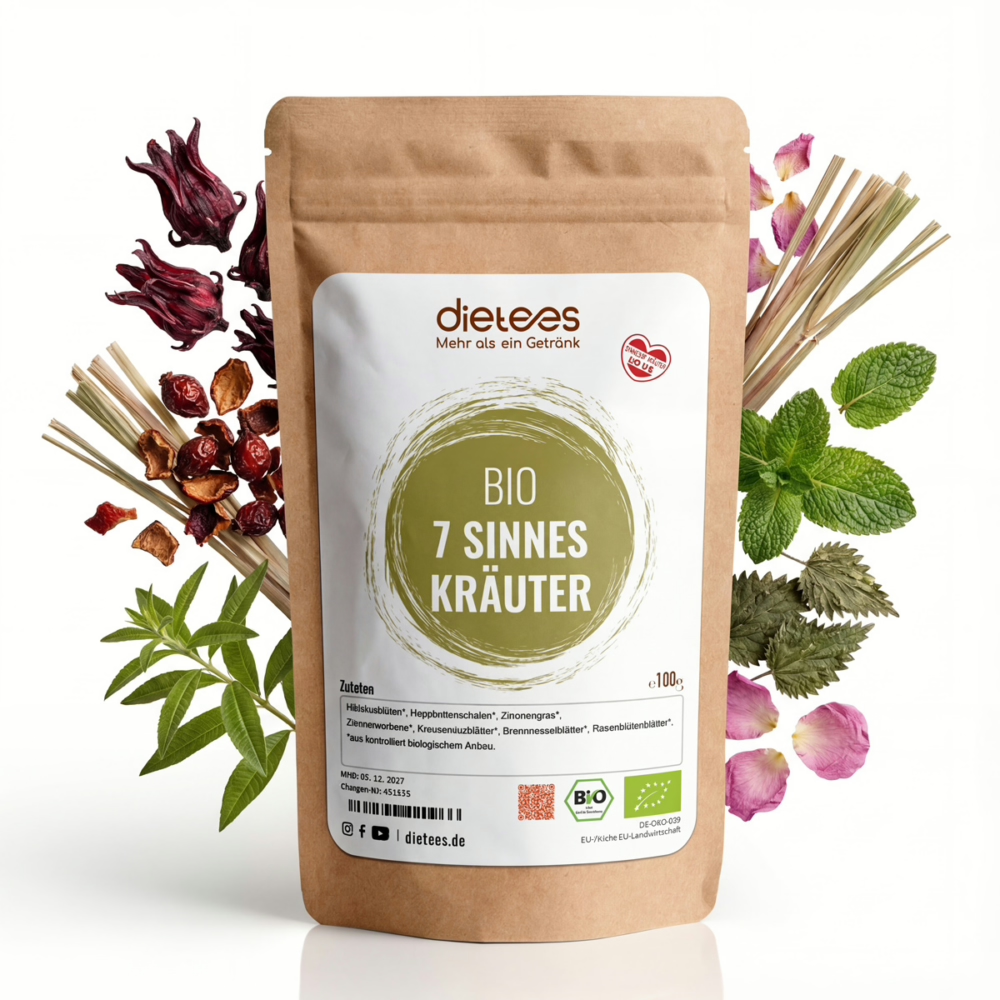
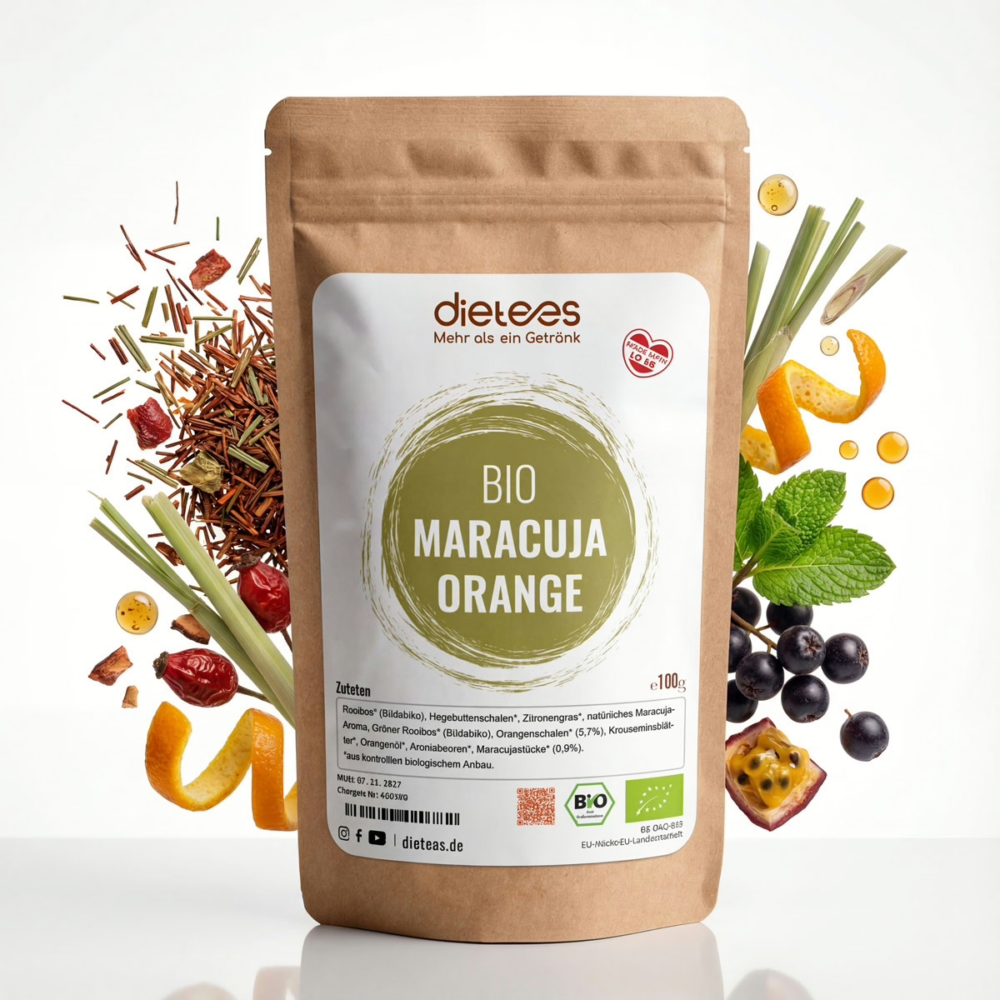
Matching products for this article


You might also like
Discover in the shop: Fruit tea view →