

Benefits and Properties of Tea
Ashwagandha Tea – Origin, Properties & Use

Dec
Ashwagandha (Withania somnifera) is a plant with a long tradition in India's Ayurvedic teachings. In recent years, it has also attracted growing attention in Europe as a plant steeped in tradition — particularly as an ingredient in herbal teas. In this guide, you'll learn all about the origin, tradition and use of Ashwagandha tea — worded with scientific caution, as many claims about the plant are still the subject of ongoing research.
What Is Ashwagandha?
Ashwagandha belongs to the nightshade family and is also known as sleep berry or winter cherry . Its name comes from the Sanskrit term for “smell of the horse” — a reference to the characteristic scent of the fresh root.
The plant's root is traditionally dried and further processed — among other things into powder, extract or as part of tea blends. In Europe, Ashwagandha is mainly offered as a plant-based ingredient in tea blends or food supplements.
Root
Mainly used as dried root — as a powder or tea ingredient.
sleep berry
Also called “winter cherry” — the name refers to its small berry-like fruit.
Withanolides
Secondary plant compounds — the subject of ongoing scientific research.
Ayurvedic Tradition
Used in India for centuries — part of traditional Ayurvedic teachings.
Tradition & Modern Research
Ashwagandha sits between two worlds: centuries-old traditional herbal knowledge and modern scientific investigation. It's important to distinguish between the two perspectives:
Traditional Use
In Ayurvedic tradition, Ashwagandha has been used for centuries. It is one of the classic plants of Indian herbal medicine and remains a staple of Ayurveda-inspired formulations to this day.
Modern Research
Modern studies look at compounds such as withanolides and their possible physiological effects. However, the research on this is not yet conclusive — many studies work with highly concentrated extracts, not with classic tea.
Popular Reasons for Drinking It
Why do many people include Ashwagandha-containing teas in their routine? Here are the most common reasons — all from an enjoyment and ritual perspective:
Use as Tea or Powder
Ashwagandha is available in various forms. For tea lovers, the infusion form is the most common:
Preparing it as Tea
In a herbal tea blend or as pure root:
- 1 tsp root powder or herbal blend per cup
- Pour over with hot water (90–100 °C)
- Steep for 5–10 minutes
- Enjoy plain or with honey
As Powder or Capsule
These are often standardised concentrates, which usually have different properties from a classic infusion:
- Dosages vary by product
- Follow the manufacturer's recommendations
- Pay particular attention to the daily dose with standardised extracts
- If unsure, consult a doctor
Important Notes & Precautions
Ashwagandha is one of the plants steeped in tradition — at the same time, there are groups of people who should be particularly cautious :
Organic Teas with Ashwagandha from Our Range
Some of our organic herbal teas contain Ashwagandha as a plant-based ingredient — combined with selected spices and herbs for a harmonious, Ayurveda-inspired taste experience:
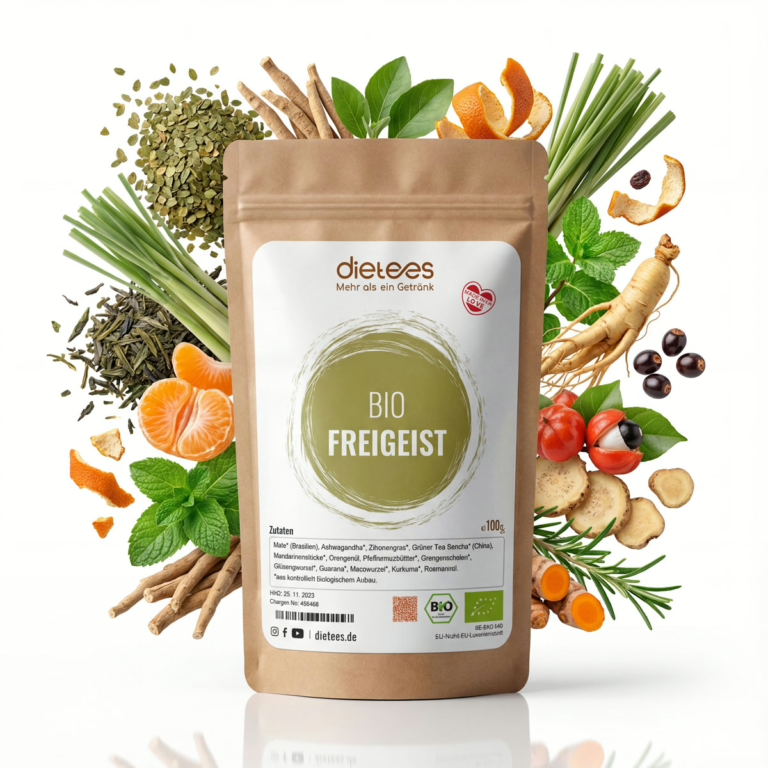
Organic Free Spirit Tea
A versatile organic herbal blend with Ayurveda-inspired ingredients — for mindful tea moments.
Discover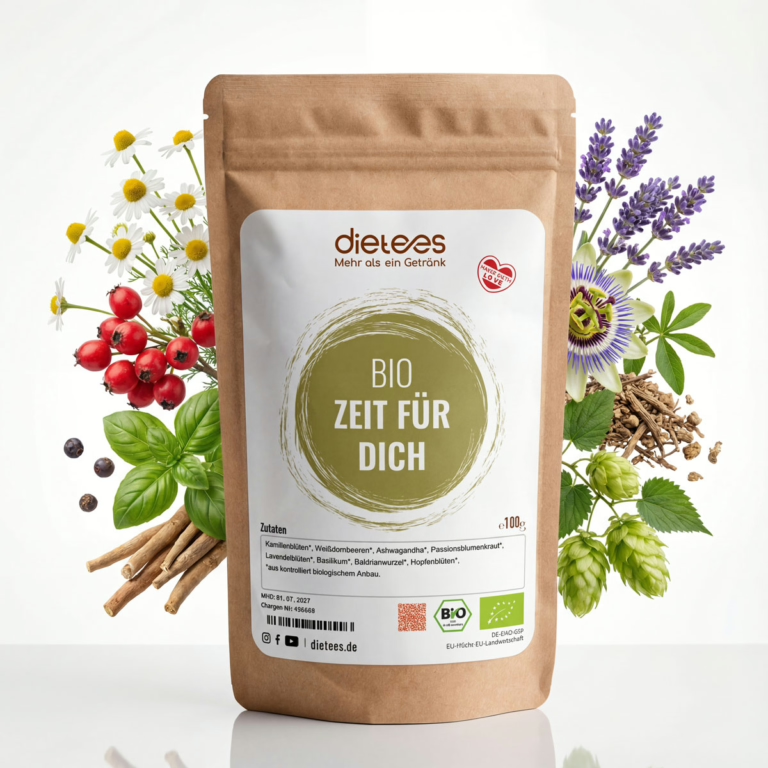
Organic Time for You
A soothing organic herbal tea with Ayurveda-inspired plants — a mindful break in a cup.
Discover
Organic Head Herb Tea
A harmonious organic herbal tea for calm and relaxed moments — a gentle blend for the evening.
DiscoverFrequently Asked Questions about Ashwagandha Tea
What Exactly Is Ashwagandha?
Ashwagandha (botanically: Withania somnifera) is a plant from the nightshade family. It is also called sleep berry or winter cherry and originates from India, North Africa and West Asia. The dried root is the main part used.
What Does Ashwagandha Tea Taste Like?
On its own, Ashwagandha tends to taste earthy and bitter with a characteristic root flavour. In modern organic tea blends, it's usually combined with milder herbs and spices such as ginger, cinnamon or cardamom — resulting in a much more harmonious, spicy flavour profile.
When Do Many People Drink Ashwagandha Tea?
Ashwagandha tea is often drunk as part of a mindful evening routine — as a small ritual at the end of the day. Since it is caffeine-free, it is suitable for any time of day, though it is traditionally associated with calm moments.
Is Ashwagandha an “Adaptogen”?
The term “adaptogen” originates from 20th-century Russian plant research and describes plants that are traditionally associated with the body's ability to adapt. Important: the term is not an EU-approved health claim. We use it purely in a traditional-cultural sense.
Can I Drink Ashwagandha Tea During Pregnancy?
No, we do not recommend it. During pregnancy and breastfeeding, you should avoid products containing Ashwagandha or be sure to seek medical advice beforehand.
Can Ashwagandha Interact with Medications?
If you are taking sedatives, thyroid medication, immunosuppressants, blood-thinning medication or medication for high blood pressure, it is essential to consult a doctor before regular consumption.
How Does Tea Differ from Powder or Capsules?
A tea infusion usually contains significantly smaller amounts of active compounds than standardised extracts in powder or capsule form. Studies mostly work with concentrated preparations — tea is therefore classed as an everyday indulgence , not as a therapeutic agent.
Which Organic Teas at DieTees Contain Ashwagandha?
Three of our organic blends contain Ashwagandha: Organic Free Spirit Tea, Organic Time for You and Organic Head Herb Tea — combined with other organic herbs for a well-balanced flavour profile.
Important Note: Ashwagandha tea is a food and not a medicine. The content of this article is for general information purposes only and does not replace medical advice, diagnosis or treatment. If you have health concerns, are pregnant or breastfeeding, are taking medication, have an autoimmune or thyroid condition, or are under 18, please consult a doctor before consumption. The term “adaptogen” is not an EU-approved health claim and is used here purely in a traditional-cultural sense.
You might also like
Discover in the shop: all tea varieties view →