

Tea Culture and Ceremonies, Benefits and Properties of Tea
Which Tea Suits Yoga? Organic Teas for Mindful Moments

Mar
Tea and Yoga go well together for many people, because both need time, calm and attention. Before or after a yoga practice, a cup of tea can help make a moment more mindful — not as a promise, but as a small everyday ritual. Depending on the variety, tea can taste mild, spicy, fresh or bold. Some drink it before their practice to ease in slowly — others enjoy it afterwards, as the body settles into rest.
Tea as a ritual around your yoga practice
For many, yoga is a fixed appointment with themselves. Tea can round off this moment — as a warm start, a quiet pause, or a light companion after the practice. What matters is not that a tea “does” something, but that it suits your rhythm, in taste and in timing.
Arriving & Settling In
Before calm yoga sessions, mild herbal teas with chamomile, fennel or lavender work well. Before a dynamic practice: spicy or fresh blends with ginger, mate or citrus notes.
Mindful enjoyment
During longer sessions, a light tea in between can be pleasant — or simply water. Tea, taken as a mindful sip, supports settling into the breath.
Winding Down & Rest
After the practice, gentle herbal teas, rooibos or Ayurvedic-inspired spice teas are popular. They taste soft and suit a relaxed close.
Which teas suit different yoga styles?
Every yoga style has a different mood — which is why not every tea suits every moment equally well. Here are our five recommendations by yoga style:
Hatha
Mild herbs, green tea, ginger
Balance TeaYin Yoga
Chamomile, lavender, rooibos, fennel
Calm Anchor TeaVinyasa
Mate, citrus, mint, ginger
Mate FreshKundalini
Turmeric, ginger, cardamom, pepper
Ginger TurmericMeditation
Fennel, aniseed, chamomile, herbs
Voice TeaAyurvedic-inspired teas and yoga
Many tea blends popular around yoga are inspired by the Ayurvedic spice tradition — with ingredients such as ginger, cinnamon, cardamom, fennel, turmeric or pepper.
Vata, Pitta & Kapha — the three flavour profiles
Vata-inspired
Ginger · Cinnamon · Fennel · Cardamom
Discover VataPitta-inspired
Mint · Fennel · Rose · Chamomile
Discover PittaKapha-inspired
Ginger · Pepper · Peppermint · Lemongrass
Discover KaphaOur tea selection for yoga moments
Whether you're after something fresh before your practice, something mild afterwards, or a spicy cup for cold days — at DieTees you'll find a range of organic teas that suit mindful moments of enjoyment:
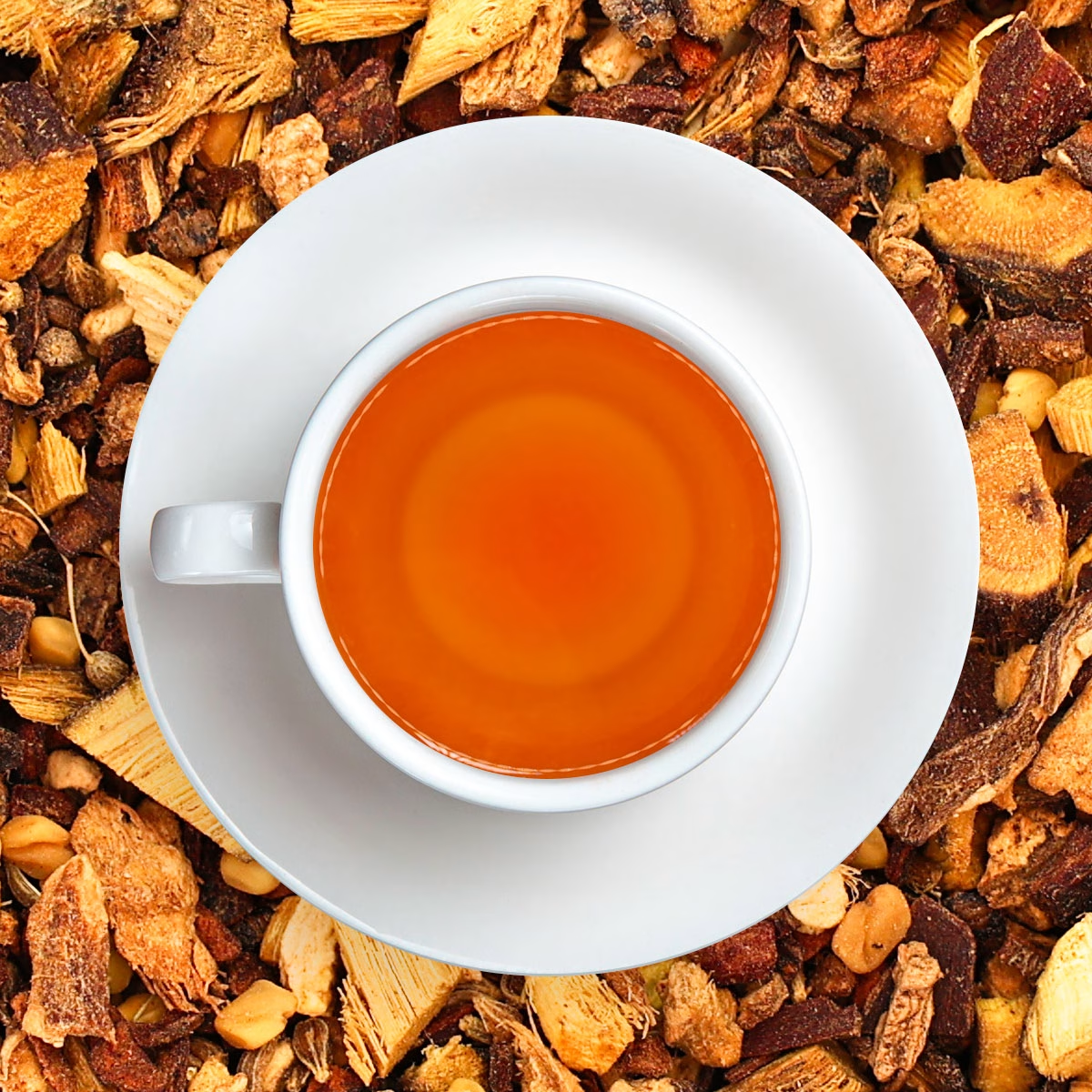
Organic Ayurveda Vata
Warm, spicy and soft in flavour
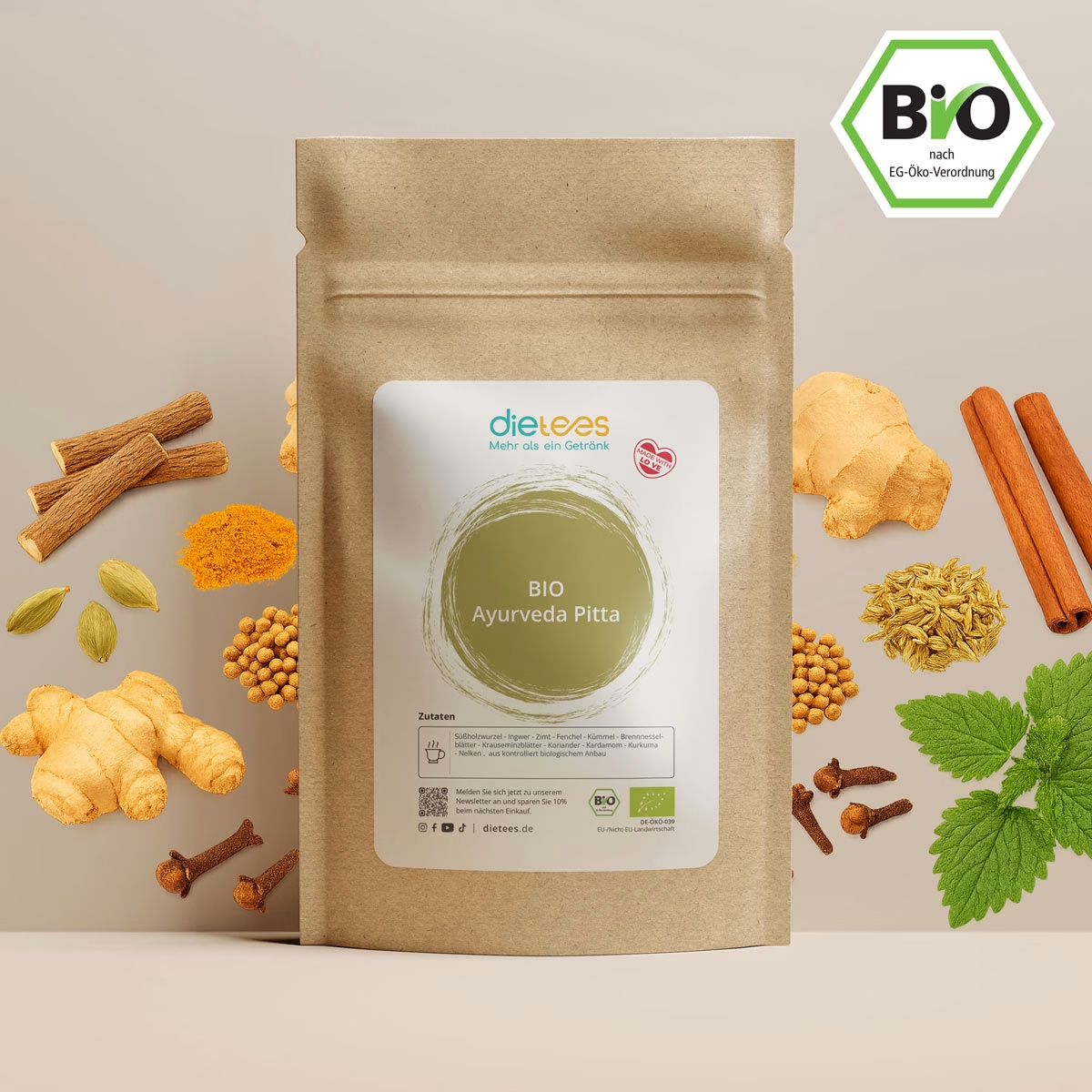
Organic Ayurveda Pitta
Mild, delicate and freshly balanced
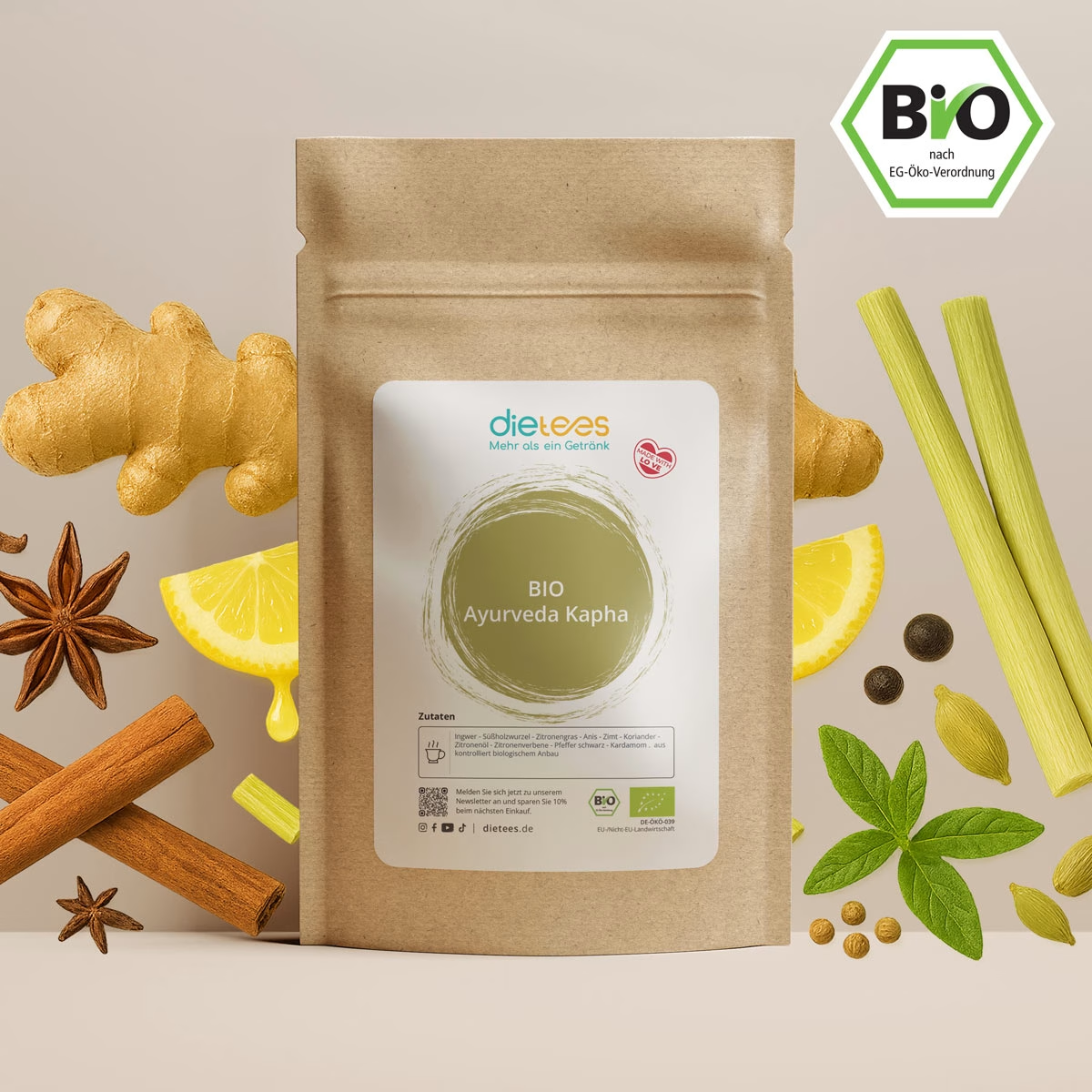
Organic Ayurveda Kapha
Bold, spicy and aromatic
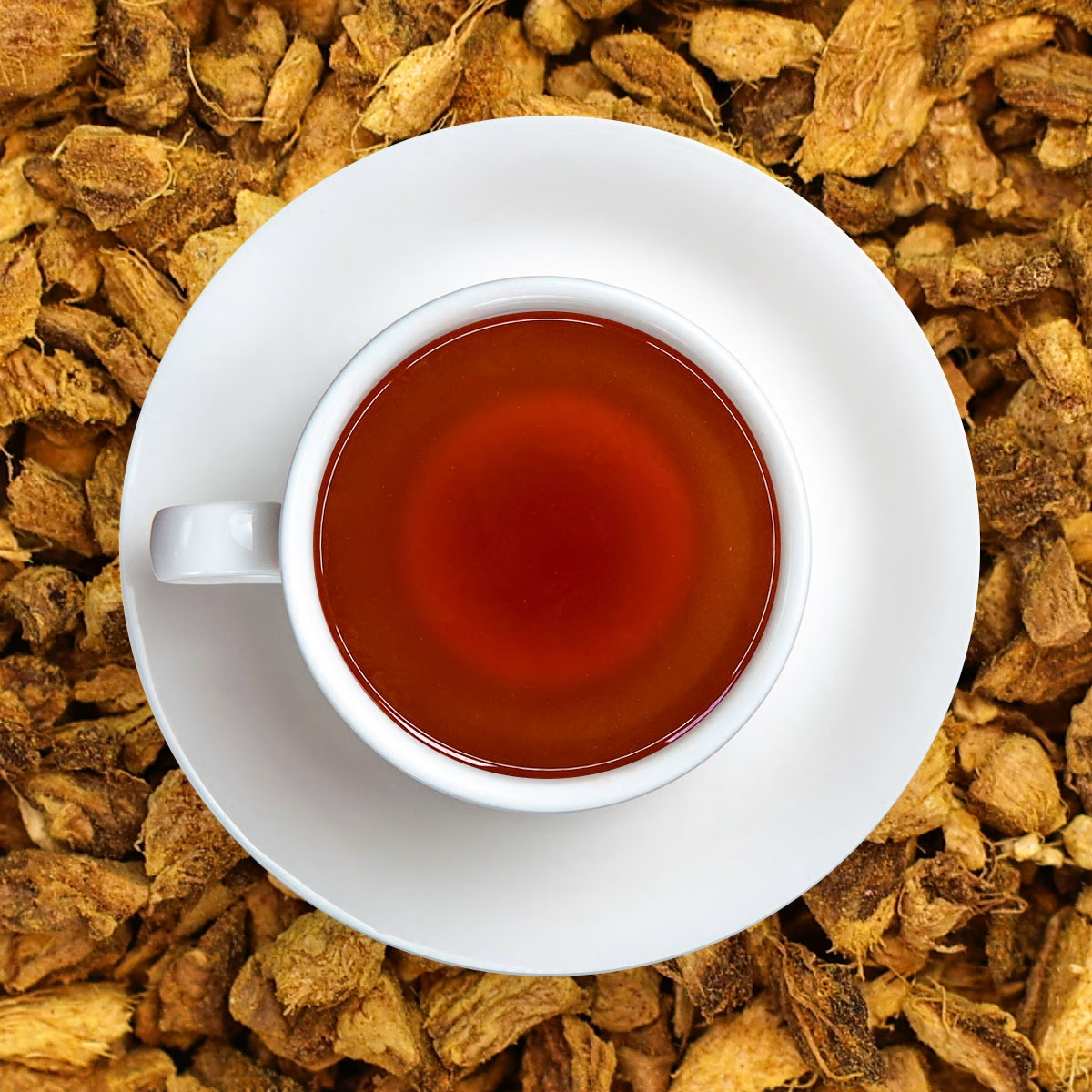
Organic Ginger Turmeric
Intense and warming in character

Organic Calm Anchor
Ideal for calm tea moments

Organic Mate Fresh
Perfect for active days

Organic Voice Tea
Herby, mild and pleasantly rounded

Organic Balance Tea
Aromatic and perfect for everyday
Preparation — how tea tastes best around your yoga practice
The right preparation makes a big difference. Herbal and spice teas need a little time for their aroma to unfold — green tea and mate, on the other hand, prefer a gentler touch:
| Tea type | Water temperature | Steeping time | Suits well… |
|---|---|---|---|
| Herbal tea | ~ 100 °C | 5–8 min | after your practice or in the evening |
| Spice tea | ~ 100 °C | 6–10 min | on cool days or after calm yoga |
| Green tea | 70–80 °C | 2–3 min | before your day or a light practice |
| Mate tea | ~ 80 °C | 3–5 min | before active moments |
🌿 Herbal tea
- Water temperature
- ~ 100 °C
- Steeping time
- 5–8 minutes
- Suits well
- after your practice or in the evening
🌶️ Spice tea
- Water temperature
- ~ 100 °C
- Steeping time
- 6–10 minutes
- Suits well
- cool days or after calm yoga
🍵 Green tea
- Water temperature
- 70–80 °C
- Steeping time
- 2–3 minutes
- Suits well
- before your day or light practice
🌱 Mate tea
- Water temperature
- ~ 80 °C
- Steeping time
- 3–5 minutes
- Suits well
- before active moments
Frequently Asked Questions
Why do many yogis drink tea?
Because tea suits a mindful ritual so well. A cup of tea can help create a calm moment before or after a yoga practice — without the tea itself needing to “do” anything.
Which tea suits yoga best beforehand?
That depends on the yoga style. Before calm yoga, mild herbal teas such as chamomile or lavender work well. Before a dynamic practice, many prefer fresh or spicy teas such as mate, ginger or green tea.
Which tea suits yoga best afterwards?
After the practice, mild herbal teas, rooibos or warm spice teas are popular. They taste soft and rounded, and suit a calm close nicely. Our Organic Calm Anchor Tea is a lovely choice here.
Are Ayurvedic teas medicinal teas?
No. Our teas are a treat and not medicinal products. For us, Ayurvedic-inspired teas relate to spices, flavour and tea rituals — not to any claimed medicinal effects.
Can I drink tea during yoga?
That's a matter of taste. Many prefer to drink it before or after their practice. During longer sessions, a light tea or water in between can be pleasant. Important: tea shouldn't be too hot and shouldn't be drunk right before strenuous asanas.
Which tea suits meditation?
For meditation, mild, balanced teas without strong flavours are especially suited — such as fennel-aniseed-caraway blends, chamomile or our Organic Voice Tea. They support a calm, quiet moment of enjoyment.
What's the difference between the 3 Ayurvedic teas?
Vata is warm and spicy (ginger, cinnamon, cardamom). Pitta is mild and floral (mint, rose, chamomile). Kapha is bold and invigorating (pepper, ginger, peppermint). The choice is a matter of taste — you don't have to commit to just one type.
Note: Tea is a treat and not a medicine or therapeutic product. The teas mentioned here can accompany a mindful moment of enjoyment around your yoga practice, but they do not replace medical advice. For health concerns, please consult a medical professional.
You might also like
Discover in the shop: all tea varieties view →