

DieTees Herb Encyclopedia
Hawthorn Berry Tea – Taste, Aroma & Traditional Use
Oct
Hawthorn Berry Tea – Taste, Aroma & Traditional Use
Hawthorn berry (Crataegus) gives herbal and fruit tea blends a mild, sweet, slightly tart-fruity aroma – a traditional part of European tea culture and a visually and flavourfully harmonious companion.
What Is Hawthorn Berry?
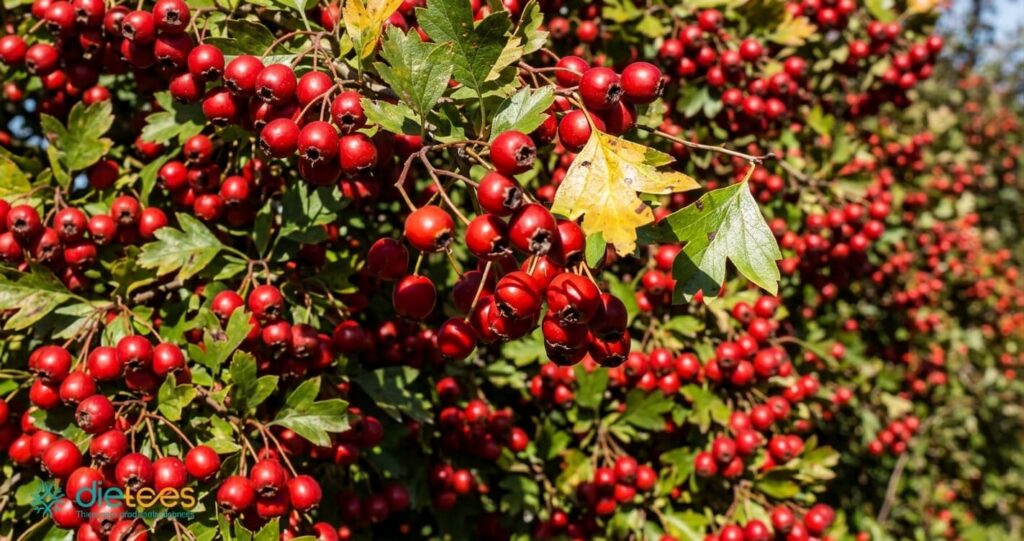
The hawthorn berry is the small red fruit of the hawthorn shrub (Crataegus), a familiar shrub found in European hedgerows and woodland edges. In autumn, the berries ripen into intensely red, glowing fruits that have been processed into herbal and fruit tea blends for centuries in dried form. They are widespread across Europe, Asia and North America and belong to the rose family.
Crataegus
Botanical name of the hawthorn genus (rose family).
Autumn Fruit
The berries usually ripen fully between September and October.
Three Continents
Native to Europe, Asia and North America – over 200 species worldwide.
Herbal Classic
A staple of traditional European tea blends.
Why Is Hawthorn Berry Used in Tea?
Hawthorn berry is not a dominant flavour carrier – it is a harmonising team player. Combined with other herbs and fruits, it rounds off the aroma profile and also gives the infusion a warm, reddish colour.
Mild Aroma
Gently sweet with a subtle acidity – never overpowering, always balanced.
Warm Colour
Gives the infusion a warm, reddish amber tone.
Tradition
Valued for generations in European herbal recipes.
Blending Talent
Pairs well with rosehip, hibiscus, mint, fennel and aniseed.
What Does Hawthorn Taste Like in Tea?
The flavour profile of hawthorn berry is characteristically understated – ideal as a bridge between different herbs and fruits. Three notes define the impression:
Mildly Sweet
A gentle, fruity, honey-like sweetness that comes through without added sugar.
Delicate Acidity
A subtle, fresh acidity elegantly balances the sweet aroma.
Warm Autumnal Note
Reminiscent of ripe autumn fruits – warm, rounded and inviting on the finish.
Classic Combinations
Hawthorn berry unfolds its full effect as a flavour companion – especially harmonious in the following pairings:
Mint
Freshness meets fruit – invigorating
Lemon Balm
Lemony and gentle, very well balanced
Fennel
Sweet and spicy, a classic combination
Aniseed
Aromatic and mildly sweet
Hibiscus
Tart and fruity, intensely red
Rosehip
Double autumn fruit – harmonious
Rooibos
Mild and sweet on a smooth base
Liquorice Root
Natural sweetness without sugar
Botany & Tradition
Hawthorn is a thorny shrub or small tree from the rose family. In spring it bears white flower clusters, and in autumn the typical small red apple-like fruits. Botanically, the berries can be distinguished – depending on the species – by having 1 to 5 seed kernels.
🌿 Constituents (Botanical)
Hawthorn berries naturally contain secondary plant compounds such as flavonoids as well as tannins, which are typical for fruit and herbal tea raw materials. They are part of traditional herbal blends and a varied diet.
In European herbal tradition, hawthorn has been a familiar part of teas, infusions and home blends since the Middle Ages. Today the berry is valued above all for its taste and its decorative colour in modern herbal and fruit tea blends.
Preparation – Step by Step
To bring out the aroma of hawthorn berry and its companions to best effect, the following preparation is recommended:
Teaspoon
per 250 ml water
Water Temp.
Pour over freshly boiled water
Minutes
Steeping time for full flavour development
Enjoyment
Plain or as iced tea
Tip: Hawthorn berries need a little longer than pure herbs for their fruity aroma to develop fully. Combined with rosehip or hibiscus, this creates an especially intense, warm autumnal infusion.
Matching Organic Teas from the DieTees Range
In our herbal and lifestyle blends, you'll find hawthorn berry as a well-balanced ingredient in carefully composed organic recipes:

Organic Deep Breath
Refreshing organic herbal tea with lemongrass, peppermint & liquorice root – caffeine-free.
View Product →
Organic Calm Anchor Tea
Harmonious organic herbal tea on a rooibos base – gentle, mild and inviting.
View Product →
Organic Sleep Tea
Soothing organic herbal tea for relaxed evenings – mild and aromatic.
View Product →
Frequently Asked Questions
What Does Hawthorn Berry Taste Like in Tea?
Hawthorn berry brings a mild, sweet aroma with a subtle acidity and a slightly warm, autumnal, fruity character. It is never dominant, but instead acts as a balancing flavour companion in herbal and fruit tea blends.
What Colour Does Hawthorn Give the Infusion?
The dried berries give the tea a warm, reddish amber tone. Combined with hibiscus or rosehip, the red colour becomes even more intense.
How Long Should Hawthorn Berry Tea Steep?
A steeping time of 8 to 10 minutes with freshly boiled water is recommended, so the berry can release its aroma fully into the infusion. Pure herbs often only need 5–7 minutes – with berries, a little longer.
Which Herbs Can Be Combined with Hawthorn?
Classic pairings include mint, lemon balm, fennel, aniseed, rosehip, hibiscus, liquorice root and rooibos. Harmonious blends also result from combining it with fruit tea components such as apple or elderberry.
Is Hawthorn Berry Tea Caffeine-Free?
Yes – as a pure herbal or fruit tea, hawthorn berry naturally contains no caffeine. However, pay attention to the overall blend: if green tea or mate is added, the tea will contain caffeine.
When Are Hawthorn Berries Harvested?
The harvest season for hawthorn berries is typically between September and October, when the fruits reach their characteristic red colour and full ripeness.
Can Hawthorn Berry Be Prepared as Iced Tea?
Yes – a hot-brewed hawthorn herbal tea tastes especially refreshing once cooled. With ice cubes, a slice of lemon and a sprig of mint, it makes a wonderful summer treat.
Discover Organic Teas with Hawthorn Berry
Experience the mild, fruity note of hawthorn berry in our handpicked organic herbal and lifestyle teas. 100% organic · Produced in Germany · 30-day taste guarantee.
Shop Organic Teas Now → Tea is a food and does not replace a balanced diet.You might also like
Discover in the shop: White tea view →