
DieTees Herb Encyclopedia
Tulsi Tea – Aromatic Basil Herb with Ayurvedic Tradition
Oct
Tulsi Tea – Aromatic Basil Herb with Ayurvedic Tradition
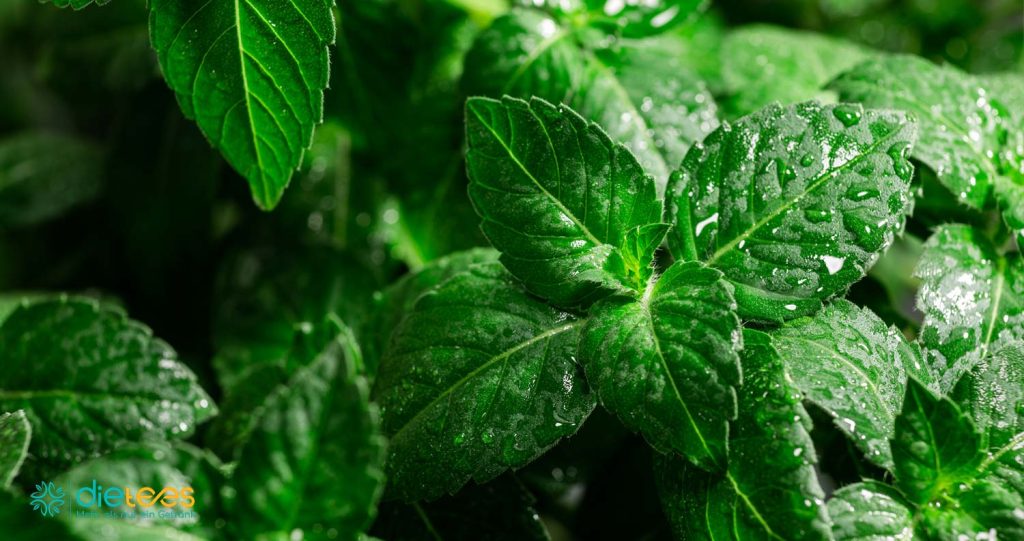
Tulsi, also known as Holy Basil, is a plant steeped in tradition from India. It has been valued in Ayurvedic culture for centuries – today mainly as an aromatic ingredient in tea blends.
What is tulsi?
Ocimum tenuiflorum (also Ocimum sanctum) belongs to the mint family. The plant is closely related to basil but has a more intense, spicy aroma.
Tulsi grows in tropical regions such as India, Sri Lanka and Southeast Asia. In Indian culture it is regarded as a symbolic plant of great historical significance.
Taste and aroma
Tulsi tea stands out for its complex flavour profile:
- spicy and slightly peppery
- subtly sweet
- with fine citrus and herbal notes
This aromatic diversity makes tulsi a special ingredient in herbal and spice teas.
The three main varieties of tulsi
- Rama Tulsi: mild, sweetish aroma
- Krishna Tulsi: more intense and spicier character
- Vana Tulsi: fresh, slightly lemony note
Cultivation and processing
Tulsi grows as a small shrub in warm climates. After harvesting, the leaves are gently dried to preserve their full aroma.
Why is tulsi used in tea blends?
- Aromatic depth: gives herbal teas structure
- Spicy freshness: blends well with citrus and spice notes
- Traditional background: inspired by Ayurvedic tea culture
Popular combinations
- Tulsi + ginger + lemon
- Tulsi + turmeric + spices
- Tulsi + mint + chamomile
- Tulsi + green tea
- Tulsi + fruit blends
Notes
Tulsi is a food and does not replace medical treatment. A varied diet remains important.
Conclusion
Tulsi tea combines aromatic herbal notes with a long cultural tradition. Lovers of spicy, complex tea blends particularly appreciate this extraordinary plant.
Matching products for this article