

DieTees Herb Encyclopedia
Rosemary Tea – Spicy Aroma & Versatile Uses

09
Oct
Oct
Rosemary (Rosmarinus officinalis) is a Mediterranean herb with an intense, spicy fragrance. In tea blends, rosemary is prized above all for its distinctive aroma and depth of flavour.
Taste and character
Rosemary in tea unfolds a robust, slightly resinous and spicy aroma with a subtle freshness. Its Mediterranean note gives herbal and fruit teas a distinctive structure and depth of flavour.
Depending on the dosage, rosemary is:
- spicy and intense
- slightly tart
- aromatic and fresh
Why is rosemary used in tea blends?
- Aromatic depth: brings a Mediterranean spicy note
- Flavour balance: harmonises with citrus, ginger or apple
- Versatility: suits herbal, spiced and fruit teas alike
Popular combinations
- Rosemary + ginger + lemon: a spicy, fresh composition
- Rosemary + chamomile: a harmonious, floral blend
- Rosemary + mint: a fresh Mediterranean note
- Rosemary + apple + cinnamon: an aromatic winter blend
Cultivation and origin
Rosemary originates from the Mediterranean region and thrives in sunny, dry areas. For tea blends, the leaves are gently dried to preserve their fragrance and essential oils.
Preparing rosemary tea
- 1 tsp dried rosemary per 250 ml water
- Pour over with water at 95–100 °C
- Steep for 5–7 minutes
A longer steeping time intensifies the spicy aroma.
Notes
- Rosemary is a food product and is not a substitute for medical treatment.
- If in doubt, or if you have specific dietary needs, professional advice is recommended.
Conclusion
Rosemary tea stands for Mediterranean aroma, spicy depth and versatile combinations. In selected tea blends, rosemary brings a special flavour dimension to every cup.
Matching products for this article
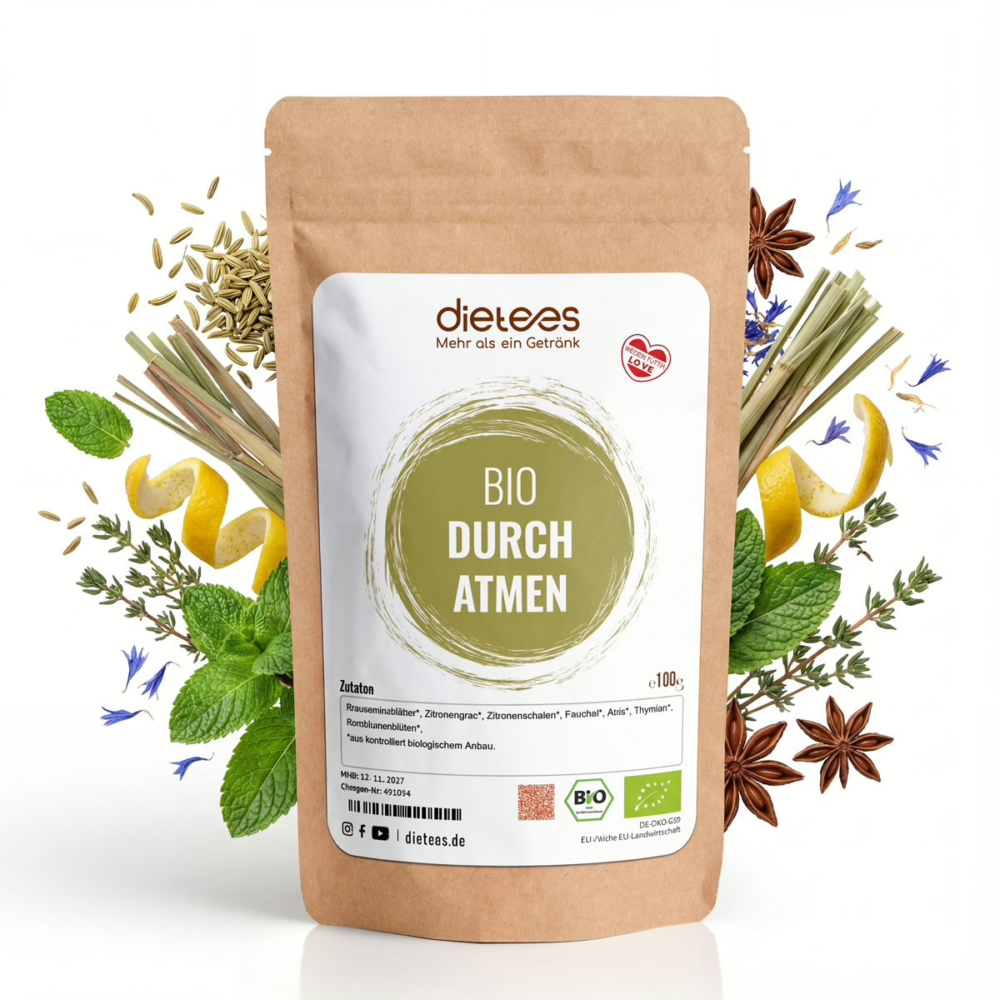
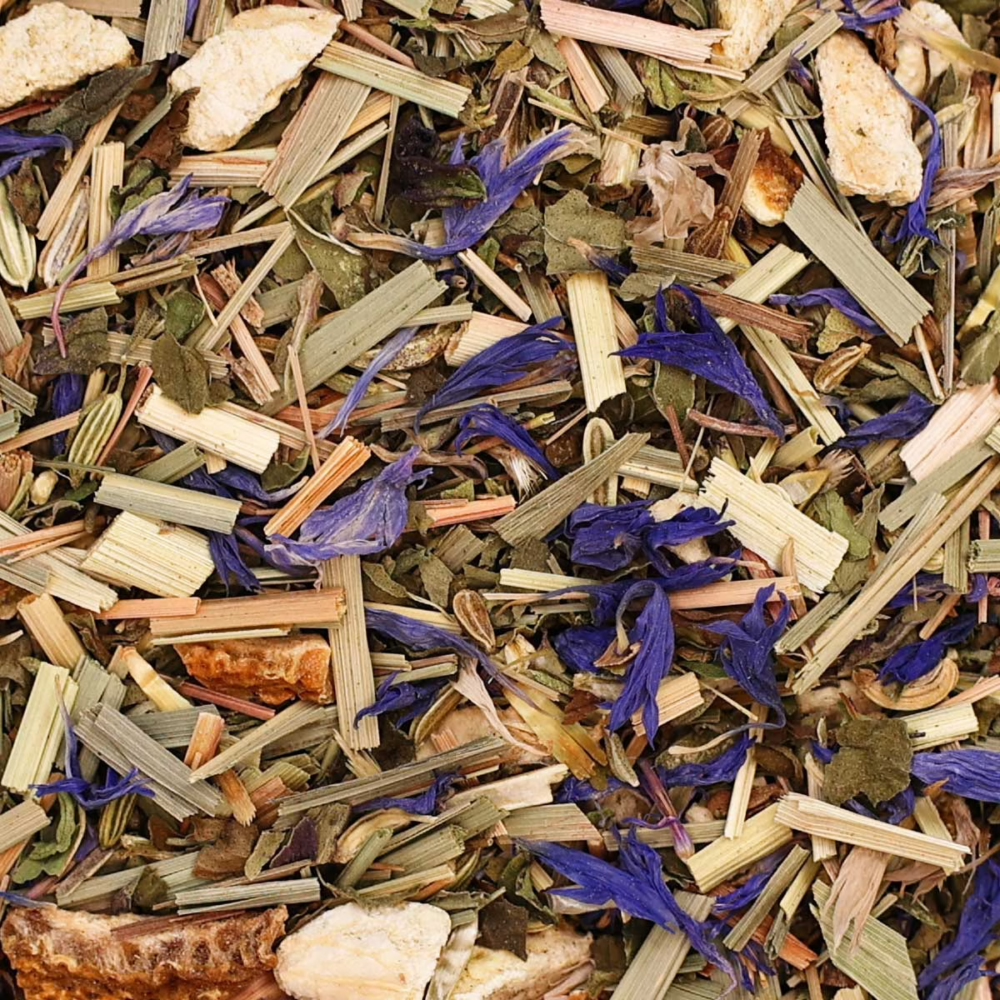
7,30 €
View options
This product has multiple variants. The options may be chosen on the product page
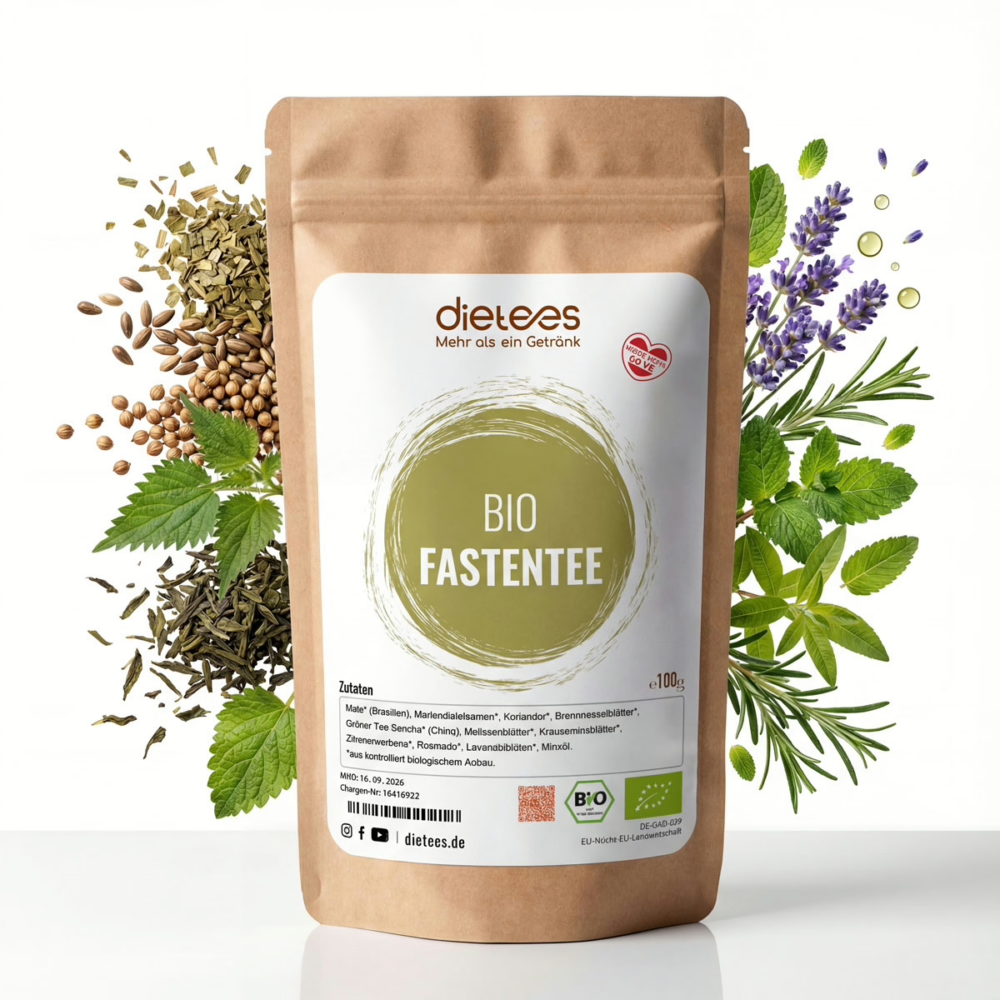

8,50 €
View options
This product has multiple variants. The options may be chosen on the product page


7,80 €
View options
This product has multiple variants. The options may be chosen on the product page
-14%
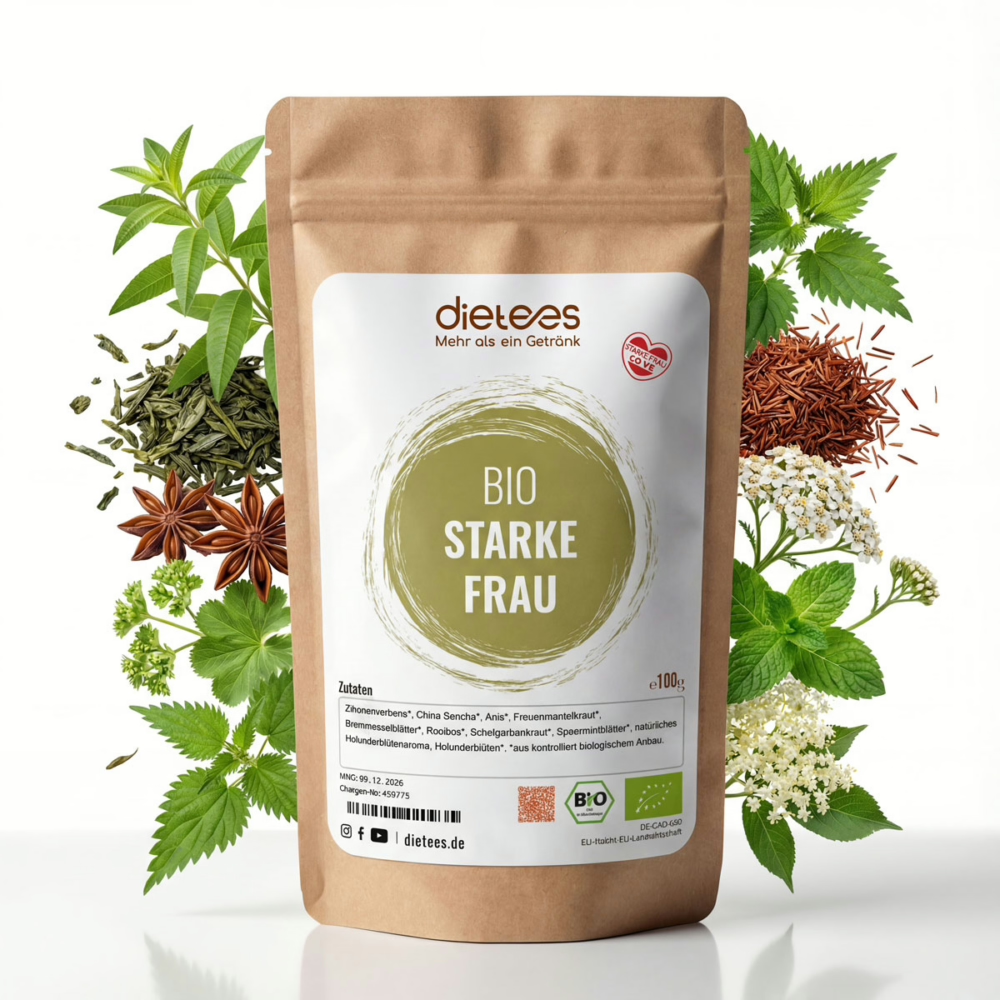
5,90 €
View options
This product has multiple variants. The options may be chosen on the product page
You might also like
Discover in the shop: Fruit tea view →