

DieTees Herb Encyclopedia
Lemon Balm Leaf in Tea – Lemony Freshness with Traditional Character

Oct
Lemon balm leaf (Melissa officinalis), also known as lemon balm, is a plant steeped in tradition with a mild, fresh, lemony aroma. In tea blends, it provides a harmonious, gentle herbal note.
Origin and tradition
Lemon balm originally comes from the Mediterranean region and was already cultivated in the Middle Ages. It became especially widespread in monastery gardens and remains a staple of classic herbal tea blends to this day.
Taste and aroma
Lemon balm leaves are characterised by a slightly sweet, fresh lemon aroma. Their taste is soft and balanced, complementing other herbs particularly harmoniously.
- Gently lemony: A fresh, non-intrusive note
- Mild: A pleasant herbal base
- Balanced: Ideal for harmonious tea compositions
Popular combinations with lemon balm
- Lemon balm + chamomile: Floral, gentle herbal blend
- Lemon balm + peppermint: Fresh balance
- Lemon balm + lavender: Floral herbal note
- Lemon balm + fruit tea: Light lemon nuance
Use in tea
- 1 teaspoon dried leaves
- 250 ml hot water
- Steep for 5–10 minutes
Lemon balm is suitable for both hot infusions and summery cold drinks.
Notes
If you have a known sensitivity to plants from the mint family (Lamiaceae), individual tolerance should be taken into account.
Conclusion
Lemon balm leaf in tea stands for fresh lemon notes and classic herbal tradition. As part of well-balanced tea blends, it lends every cup a gentle, harmonious aroma.
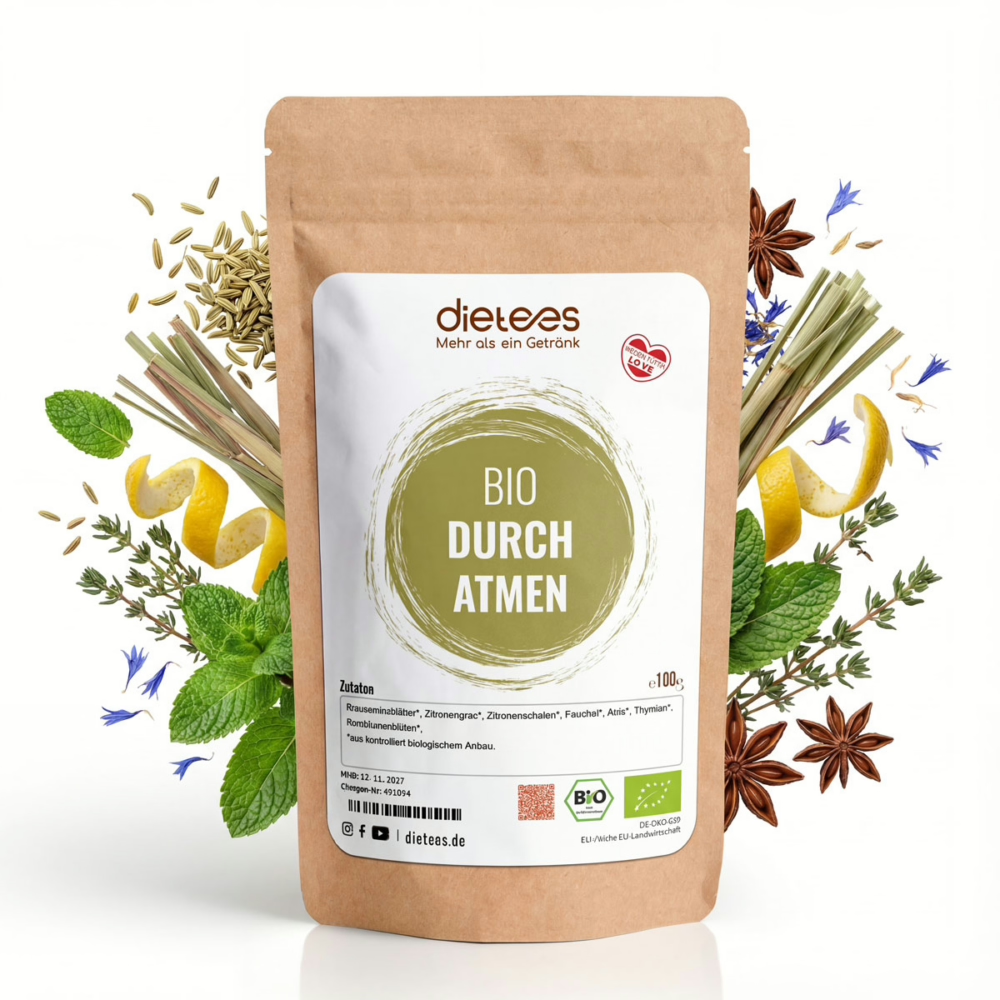
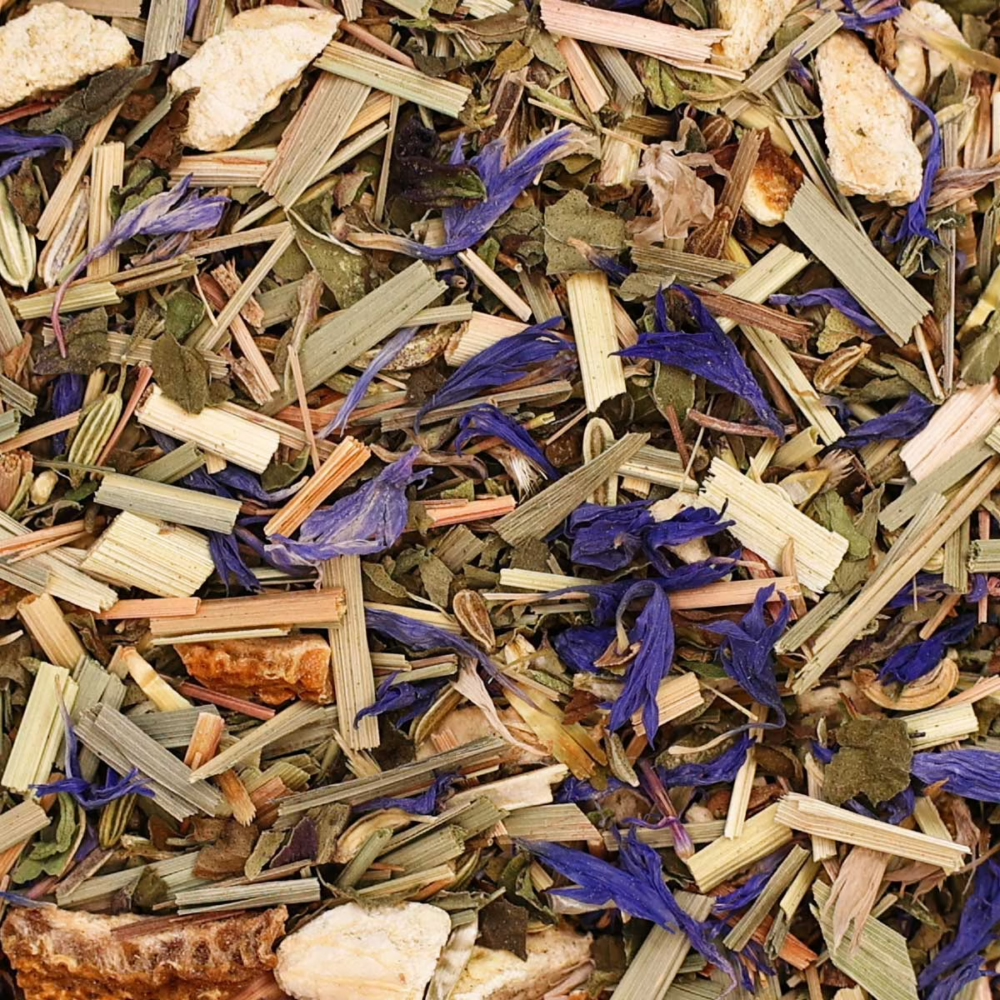
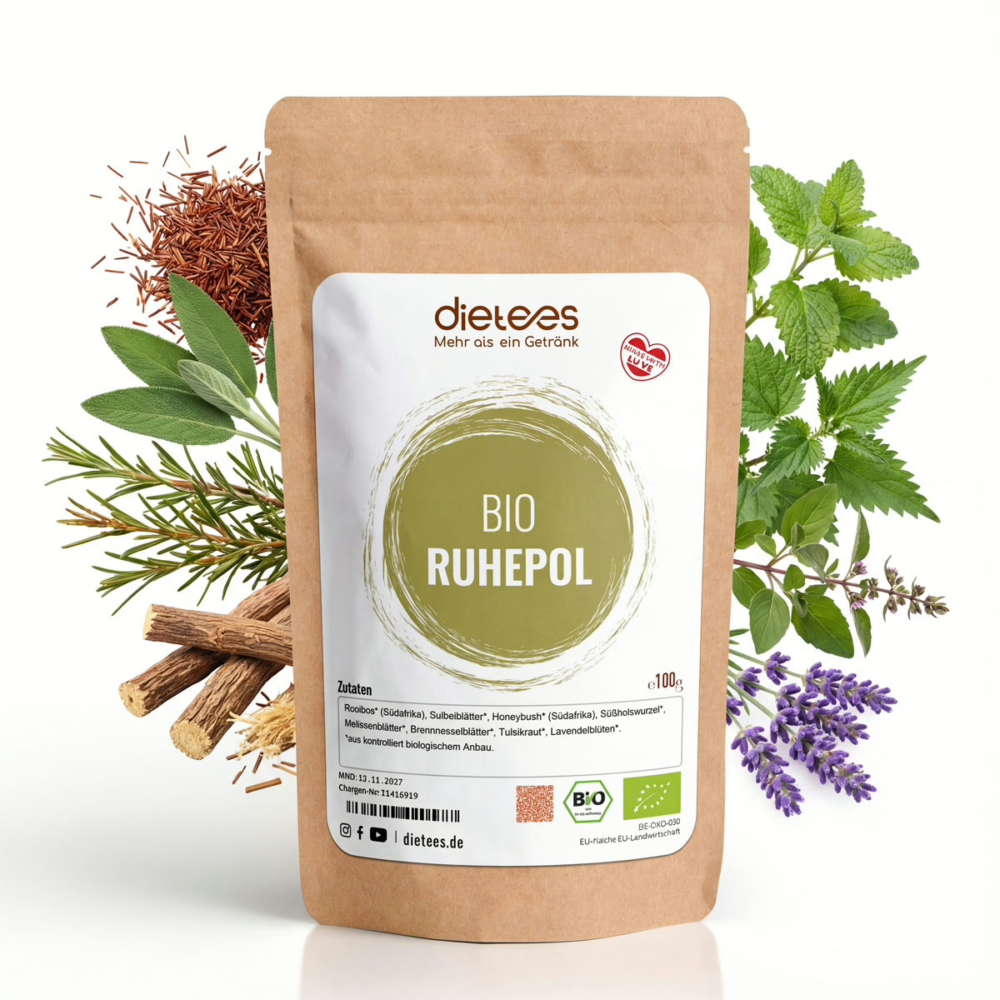
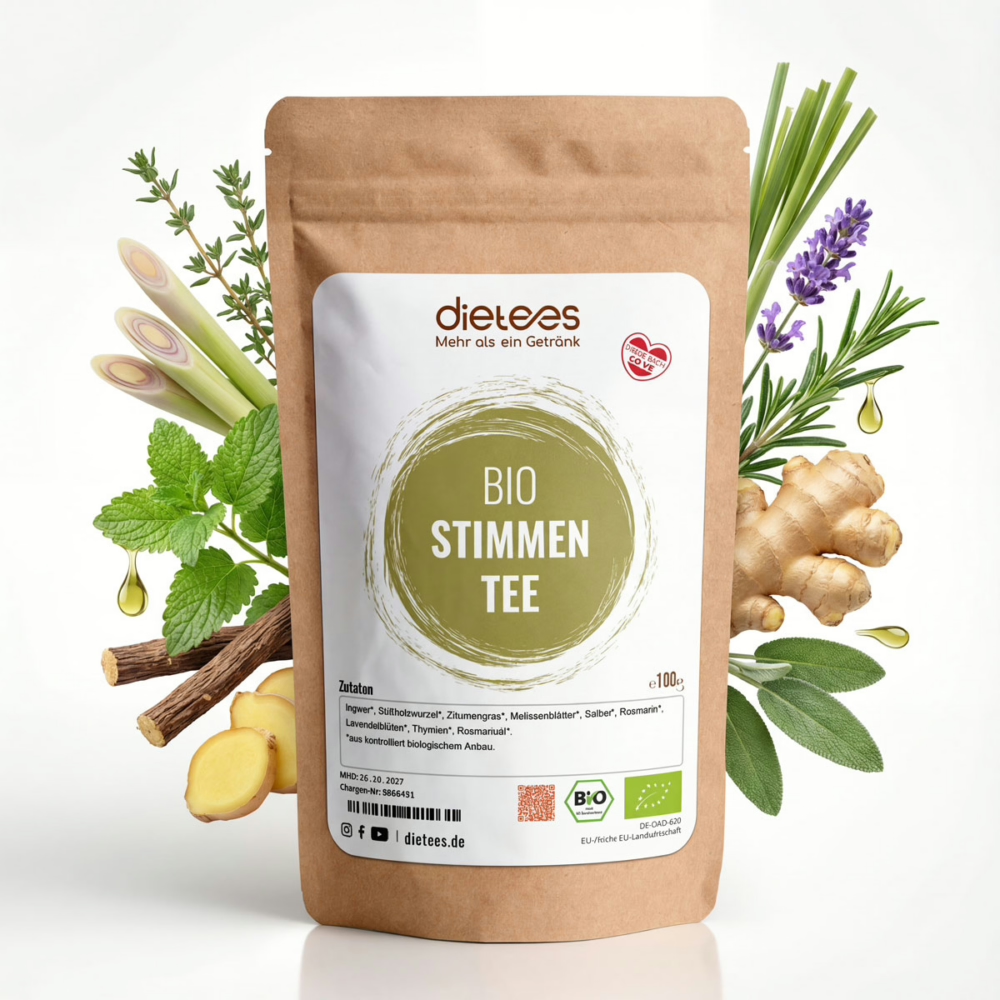
Matching products for this article

You might also like
Discover in the shop: Herbal tea view →
Bio Free Your MindBio Active Power TeeBio Ingwer Fenchel Kräutertee – Stomach Settler