

DieTees Herb Encyclopedia
Passion Fruit in Tea – Exotic Freshness with Tropical Intensity
09
Oct
Oct
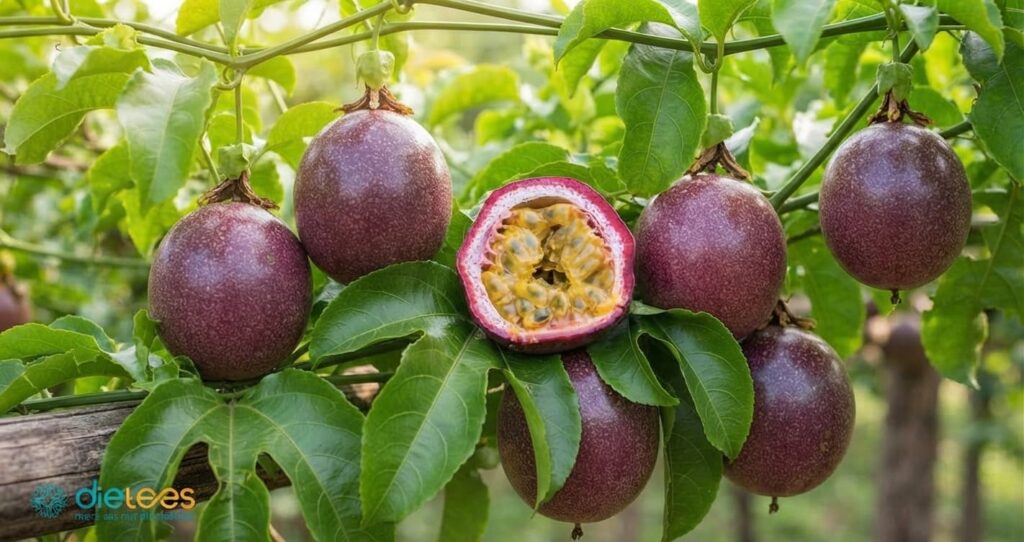
Passion fruit stands for tropical lightness and an intense, sweet-tart aroma profile. In tea blends, it lends a vibrant, exotic note.
Origin and tradition
Passion fruit (Passiflora edulis) originates from South America, particularly Brazil and Paraguay. Today it is cultivated in many tropical and subtropical regions and is known worldwide for its distinctive aroma.
Flavour and aroma
Passion fruit combines sweetness and delicate acidity into a well-balanced taste experience. Its fruity, slightly floral aroma gives tea blends a special vibrancy.
- Exotic freshness: Brings summery lightness to every cup
- Harmonious balance: Sweet-tart profile complements herbal and fruit teas
- Aromatic intensity: Delivers a distinctive fruity note
Popular combinations with passion fruit
- Hibiscus + passion fruit: Fruity intensity with lively acidity
- Green tea + passion fruit: Freshness meets tropical sweetness
- Ginger + passion fruit: Spicy contrast with a fruity note
- Vanilla + passion fruit: Soft sweetness with exotic character
- Citrus fruits + passion fruit: Lively, zesty composition
Use in tea
- Dried pieces: Intense fruit aroma while steeping
- Fruit powder or flavouring: Even tropical note
- Iced tea: Ideal for summery, refreshing compositions
Notes
If you have a known sensitivity to tropical fruits, consumption should be assessed individually.
Conclusion
Passion fruit in tea stands for exotic freshness and aromatic variety. Whether hot or cold – passion fruit brings tropical character and vibrant fruity notes to every tea blend.
Matching products for this article
[ts_products ids="20498, 20601, 20571, 20557"]You might also like
Discover in the shop: all tea varieties view →