

Benefits and Properties of Tea
Fasting Tea – Herbal Tea to Accompany Your Fasting Period
Mar
Fasting tea is a specially blended herbal mixture that many people enjoy as a warm drink during a period of fasting. Whether it's religious fasting, intermittent fasting or a conscious break from everyday life — herbal teas are, for many, simply a caffeine-free, low-calorie drink that's part of the routine. In this guide, you'll learn everything about typical herbs, different types of fasting and the right preparation — as well as our organic tea recommendations for fasting periods.
What Is Fasting Tea?
Fasting tea is typically a blend of classic herbs such as fennel, aniseed, caraway, peppermint, nettle or ginger. These herbs are traditionally known for their distinctive flavour — from mild to spicy and robust.
As a warm, caffeine-free and low-calorie drink , fasting tea accompanies many people through periods of reduced eating — as a flavourful change of pace and a small daily ritual.
Types of Fasting — Cultural & Modern
Fasting has cultural and religious roots all over the world — and today it also takes many modern forms. These four variations are particularly well known:
Religious Fasting
Christian Lent, Ramadan or Jewish holidays such as Yom Kippur — fasting as a cultural and spiritual practice.
Intermittent Fasting
Time-restricted eating windows — for example 16:8 or 5:2. A modern, popular approach to everyday eating.
Buchinger Fasting
A traditional therapeutic fasting method developed by Dr. Otto Buchinger — usually medically or professionally supervised.
A Conscious Break
Giving up sugar, alcohol, caffeine or other indulgences — as a personal routine in everyday life.
During all of these periods, many people drink herbal tea — as a low-calorie, warm alternative to coffee or sugary drinks.
Typical Herbs in Fasting Tea
Which herbs make up a classic fasting tea? These six organic herbs are traditionally used — each with its own flavour character:
Fennel · Aniseed · Caraway
The classic trio — spicy, mild aroma, a traditional herbal classic. Especially popular after meals.
Peppermint
Fresh and clear in flavour — its minty note makes every cup lighter and more approachable.
Nettle
Bitter and green in flavour — a traditional medicinal plant with a long history of use in herbal culture.
Ginger
Lightly spicy and warming — it brings characterful spice to the blend, especially on cool days.
Linden Blossom
Mild and floral in aroma — the classic flower tea from traditional herbal cuisine.
Elderflower
A floral, fruity note — valued as a traditional companion during the cold season.
Depending on the blend, the result is a herbal tea that is especially popular after meals or as a warm drink break
Why Many People Drink Fasting Tea
Fasting tea is a companion — not a medical product. These four reasons explain its popularity during fasting periods:
How to Prepare Fasting Tea
Herbal teas are forgiving — they cope very well with hot water. The ideal preparation:
More Organic Teas for Fasting Periods
If you're looking for more variety, our range includes further organic herbal blends that fit well into a fasting routine:

Organic Ginger Turmeric
A warming four-spice blend with ginger, turmeric, cardamom & cinnamon.
Discover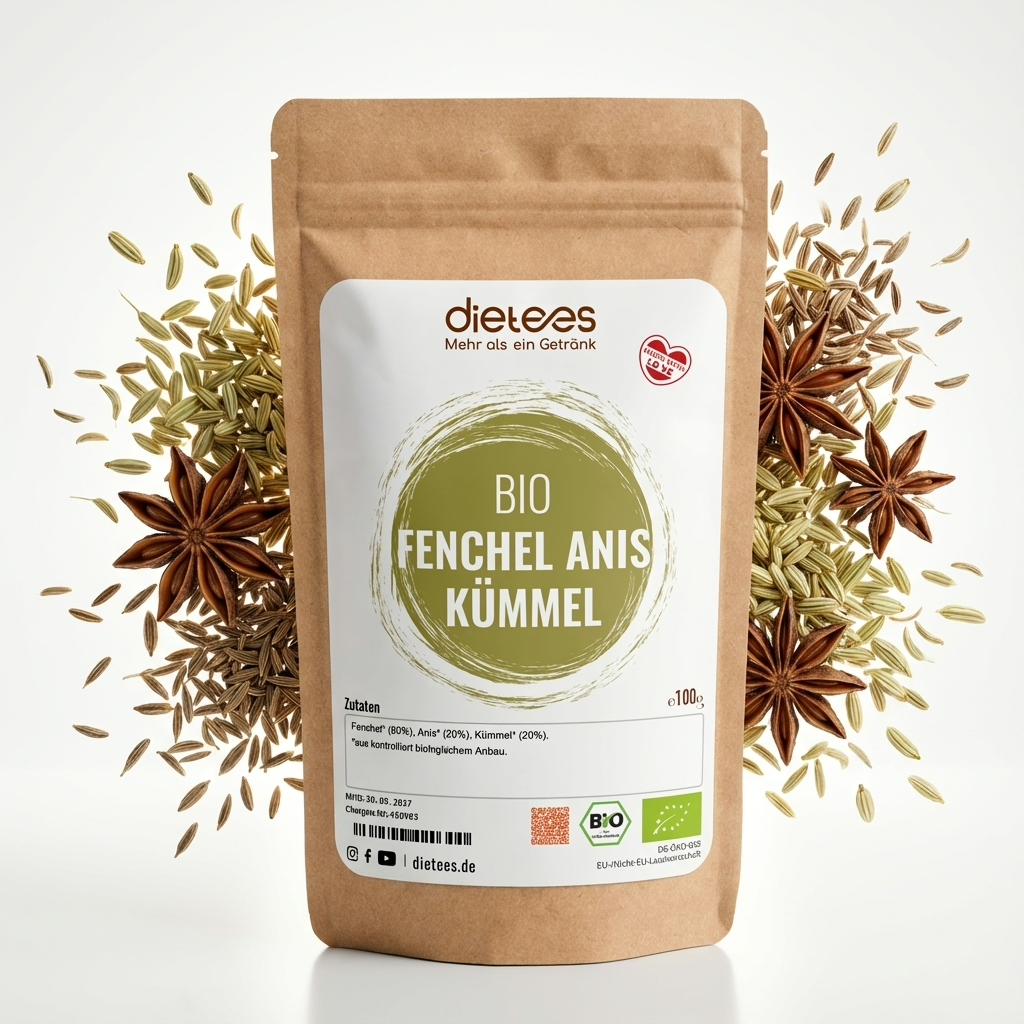
Organic Fennel Anise Caraway
The traditional herbal classic — mild in aroma, ideal after meals.
Discover
Organic Calm Anchor
A soothing organic blend with rooibos — perfect for relaxed evenings.
DiscoverFrequently Asked Questions About Fasting Tea
What Sets Fasting Tea Apart From Regular Herbal Tea?
Fasting tea is essentially a classic herbal tea — the name mainly comes from its traditional use during fasting periods. The blend usually consists of mild, caffeine-free herbs such as fennel, aniseed, caraway or nettle, which suit a reduced diet well.
Does Fasting Tea Help With Weight Loss?
Fasting tea is low in calories and can support a mindful eating phase. However, weight changes fundamentally depend on overall diet, exercise and lifestyle. Tea is not a slimming aid.
Is Fasting Tea Caffeine-Free?
Most herbal fasting teas contain no caffeine. Our Organic Fasting Tea is also caffeine-free. You'll always find the exact details in the product description.
How Often Should You Drink Fasting Tea?
Many people drink 1–3 cups a day during a fasting phase — depending on personal taste and needs. Important: also drink enough water, as tea alone doesn't cover your entire fluid requirement.
Can I Drink Fasting Tea During Pregnancy?
During pregnancy and breastfeeding, herbal teas should only be consumed regularly after consulting a doctor — especially blends with intensely aromatic herbs.
Which Tea Best Suits a Fasting Period?
There's no single “best” tea — the choice depends on personal taste. Our Organic Fasting Tea is a well-balanced standard choice. If you like spicier teas, reach for ginger turmeric. If you prefer mild classics, fennel aniseed caraway is a great option.
Should I Seek Medical Advice While Fasting?
For longer fasting cures (therapeutic fasting, Buchinger), pre-existing conditions, during pregnancy/breastfeeding or when taking medication , we generally recommend medical supervision. For intermittent fasting or shorter periods of abstinence, the rule is: listen to your body.
Important Note: Fasting tea is a food and not a medicine. The content of this article is for general information purposes only and does not replace medical advice, diagnosis or treatment. If you are undergoing a longer fasting cure, have pre-existing conditions, are pregnant, breastfeeding or taking medication, please consult a doctor. Tea is not a slimming or therapeutic aid.