

DieTees Herb Encyclopedia
Honeybush in Tea – Mild, Sweet & Naturally Caffeine-Free
Oct
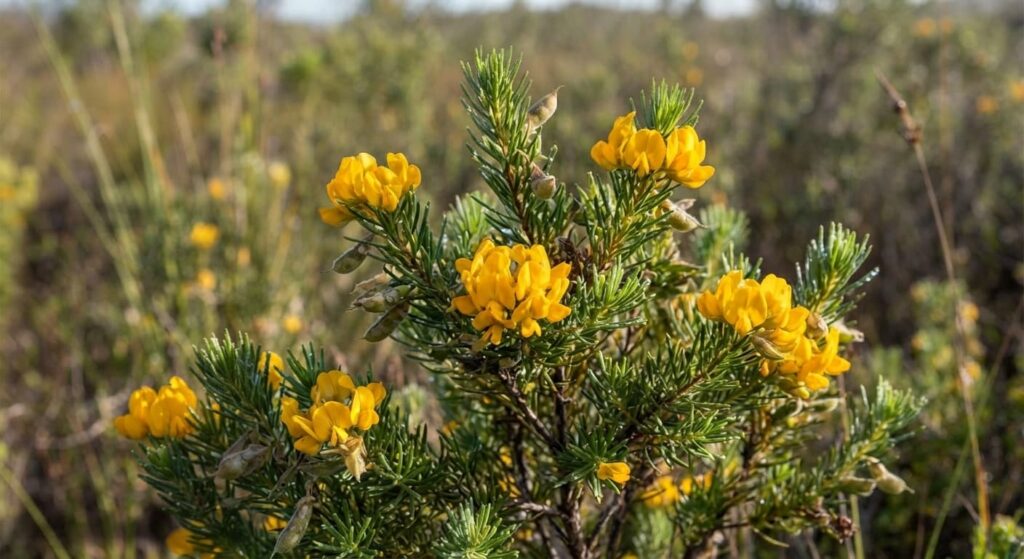
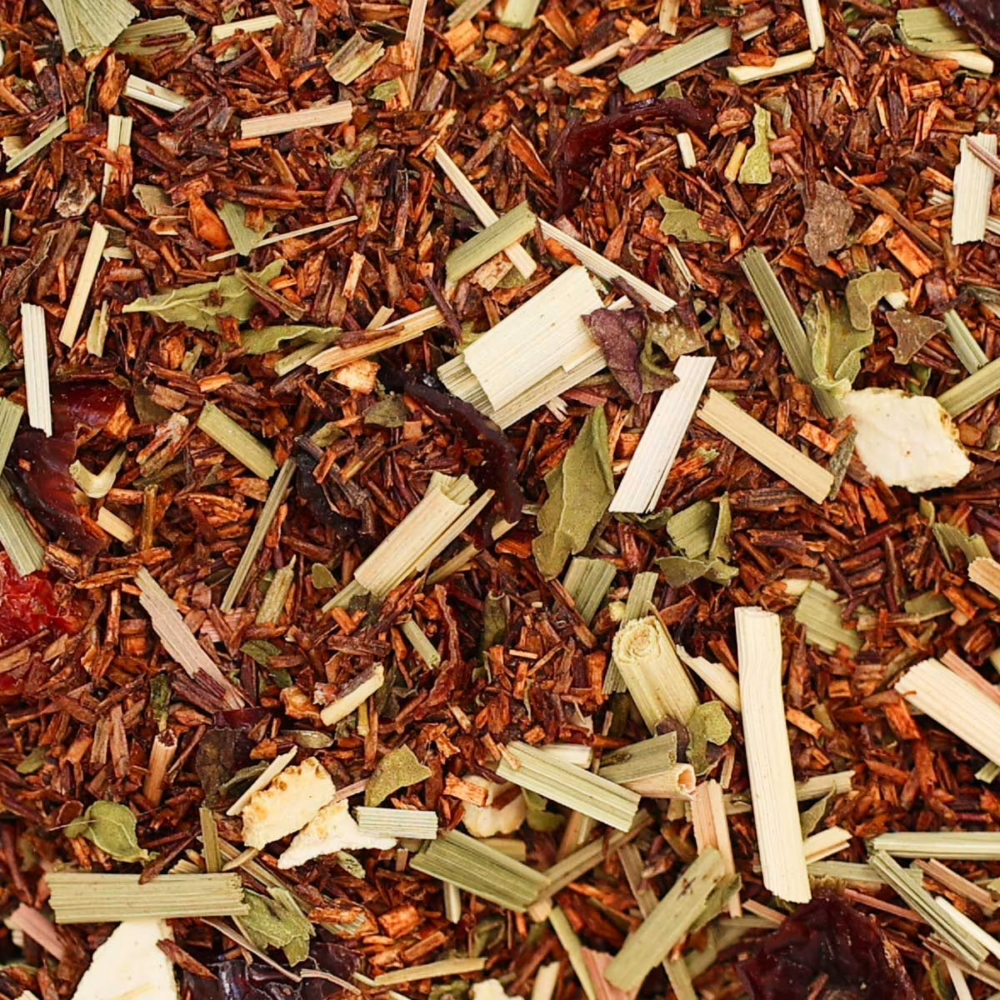
Honeybush (Cyclopia spp.) comes from South Africa and impresses with a pleasantly mild, lightly honey-like aroma.
This South African herb grows in the Cape region, where it is traditionally brewed as an infusion. Its naturally sweet, gentle flavour makes honeybush a popular base for caffeine-free tea blends.
Flavour and character
- Mild and smooth: without bitterness
- Lightly honeyed: natural sweetness
- Floral: a subtle, aromatic note
- Caffeine-free: ideal for any time of day
Honeybush is often valued as an alternative to rooibos and is excellent for well-balanced herbal blends.
Origin and tradition
Honeybush grows wild in the mountainous regions of South Africa. Its name comes from the plant's fragrant, honey-scented blossoms. Today, honeybush is enjoyed worldwide as an aromatic herbal tea.
Popular combinations
- Honeybush & rooibos – full-bodied and harmonious
- Honeybush & camomile – mild and floral
- Honeybush & ginger – sweet with a spicy depth
- Honeybush & cinnamon – warm and aromatic
- Honeybush & citrus peel – fresh and lively
Natural constituents
Honeybush contains, among other things:
- secondary plant compounds such as polyphenols
- natural aromatic compounds
- plant-based flavonoids
These constituents are often mentioned in connection with antioxidant properties.
Note: Honeybush is a food ingredient and not a medicinal product.
Preparing honeybush tea
- Amount: 1–2 tsp per 250 ml
- Water temperature: 100 °C
- Steeping time: 5–8 minutes
Honeybush works equally well hot or as iced tea on warm days.
Conclusion
Honeybush in tea stands for natural sweetness, mild aromas and versatile combination possibilities. As a caffeine-free alternative in particular, it wins hearts with its gentleness and harmonious flavour profile.
👉 Discover premium organic tea blends with honeybush at DieTees – free shipping within Germany.
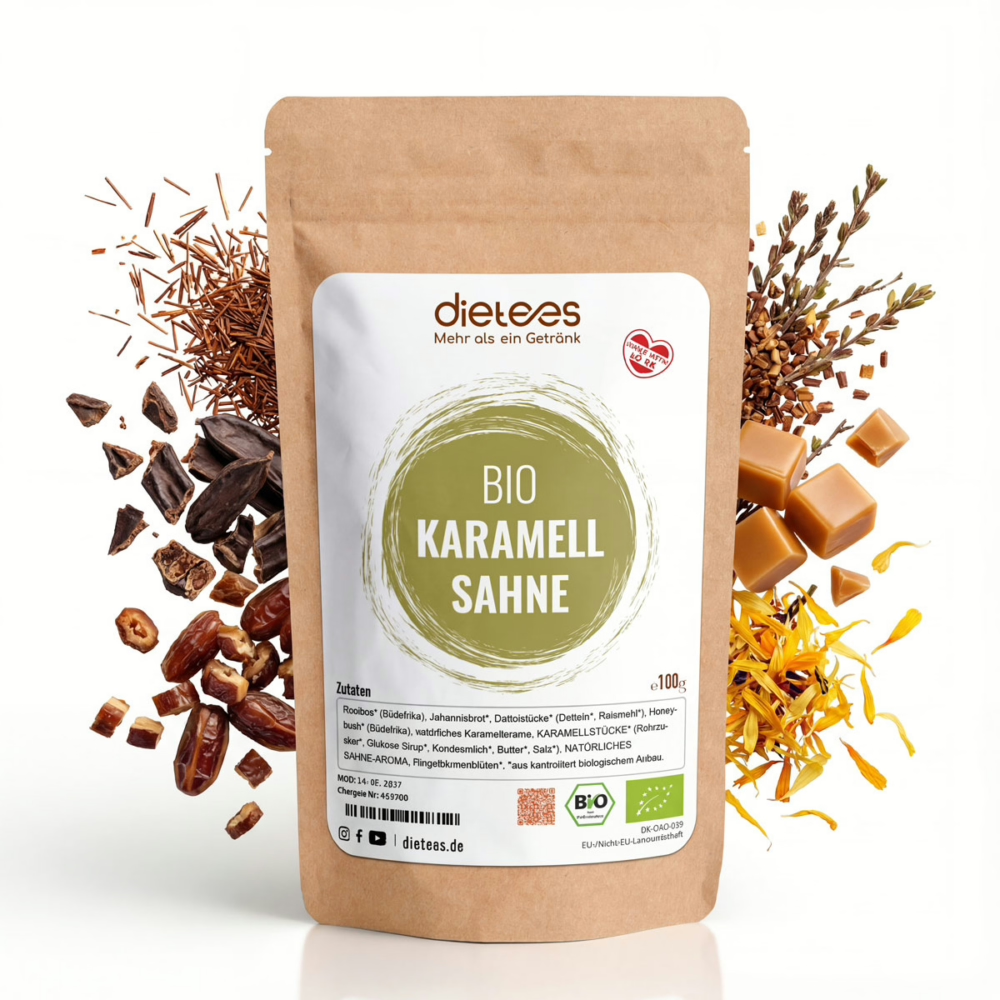
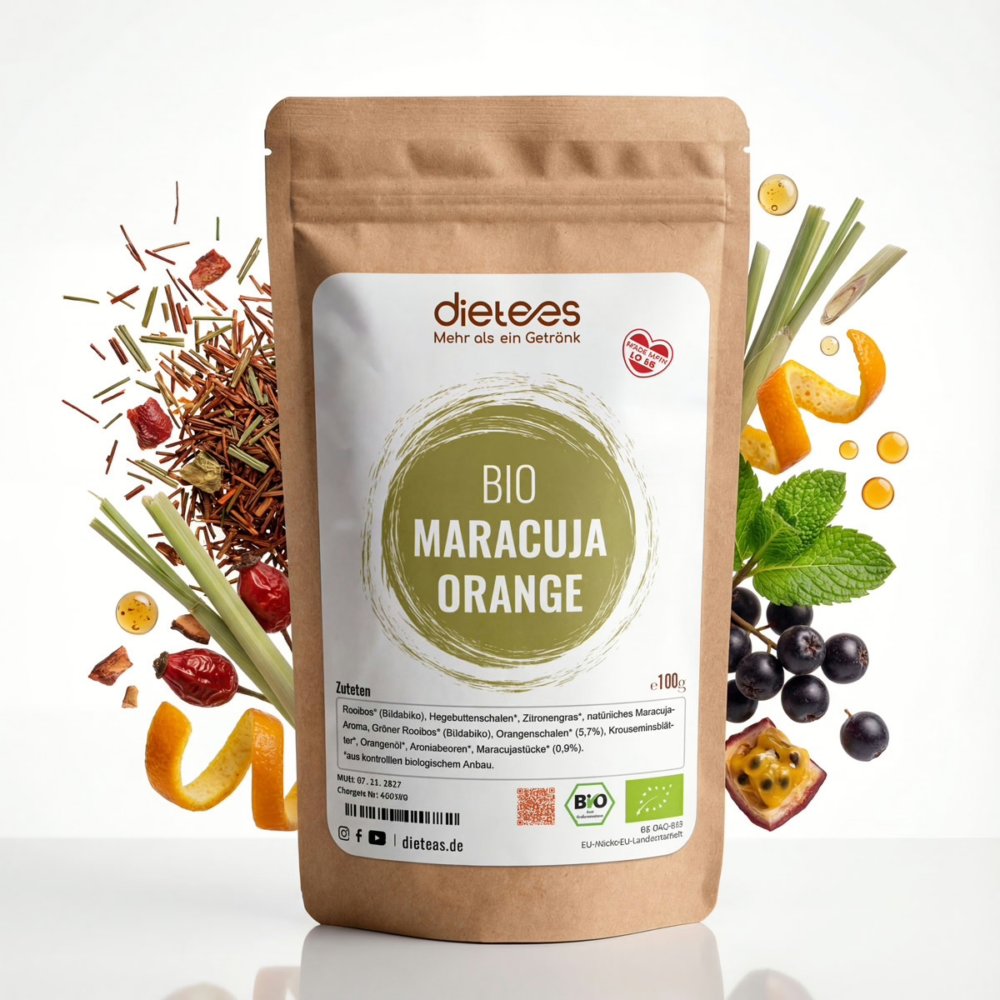
Matching products for this article
You might also like
Discover in the shop: Rooibos tea view →