

General
Organic Bitter Tea – Herbal Tea with Natural Bitter Compounds
Mar
Bitter tea is experiencing a renaissance. In an age of heavily processed and sweet foods, many people are rediscovering the characteristic taste of bitter compounds . Our Organic Bitter Tea combines selected organic herbs into a harmonious, spicy-bitter blend — a mindful moment of enjoyment for anyone who appreciates bold aromas. In this guide, you'll learn everything about the ingredients, traditional use and the right way to prepare it.
What are bitter compounds?
Bitter compounds are naturally occurring plant componentsfound in many wild and herbal plants. As the flavour-giving component , they are responsible for the typically bitter aroma profile.
In terms of taste, bitter compounds stand out for their intense, slightly bitter profile. Many people value them as a conscious contrast to sweet or heavily spiced dishes — offering the palate a completely different experience from the sweetness that so often dominates today.
The five bitter herbs in our Organic Bitter Tea
Our blend combines five carefully selected organic herbs that harmonise in flavour — from bold and bitter to soft and rounding:
01 · Milk thistle seeds
Spicy-mild in taste — the seeds of this prickly plant are considered a classic of traditional herbal cuisine.
02 · Dandelion
Distinctively bitter — the classic bitter herb among Central Europe's wild plants, with a long tradition.
More on dandelion tea03 · Mugwort
Aromatic and bitter with a warm depth — one of Europe's oldest spice and herb plants.
04 · Fennel
Lightly sweet and rounding in aroma — brings a gentle balance to the blend's bitter character.
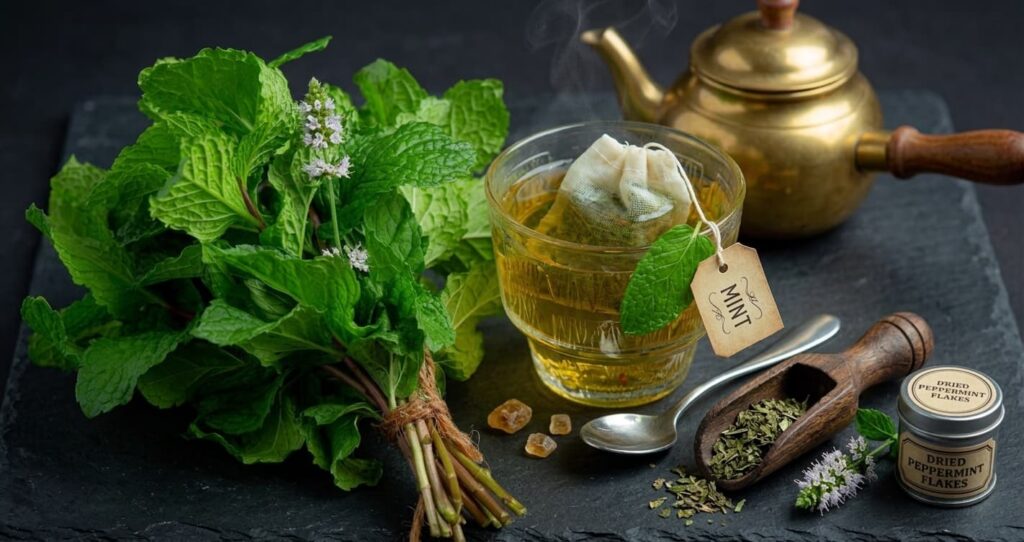
05 · Peppermint
Fresh and balancing in aroma — its mentholy note makes the cup lighter and more approachable.
This careful combination results in a well-balanced herbal tea with bitter compounds — bold, but never overwhelming.
Why many people make bitter tea part of their routine
Bitter tea is a tea for savouring with tradition — and fits into various moments of the day. These occasions are especially popular:
Preparation: how to get the perfect cup
Bitter tea tolerates hot water very well, as it doesn't contain delicate components the way green tea does. The steeping time determines how strong or mild the tea turns out:
Organic quality & transparency
Our Organic Bitter Tea comes from certified organic farming (EU organic, DE-ÖKO-039). We consistently avoid:
- ❌ Synthetic pesticides — strict organic controls along the supply chain
- ❌ Artificial flavourings — the bitter taste comes from the herbs alone
- ❌ Added sugar — a pure, unadulterated herbal tea composition
- ✓ 100% vegan & caffeine-free — easy on the stomach even in the evening
- ✓ Processed in Germany — short supply chains, transparent origin
Frequently asked questions about bitter tea
Does bitter tea taste very intense?
Yes, depending on the steeping time, the aroma can be bold and bitter. A shorter steeping time (3–4 min.) results in a milder cup. If you'd like to ease into the taste, it's best to start with less tea and a shorter steeping time.
Is bitter tea caffeine-free?
Yes — our bitter herb blend contains no caffeinated components. Bitter tea can therefore be enjoyed at any time of day, even in the evening.
When do many people traditionally drink bitter tea?
It's often enjoyed after a meal or as a mindful break in everyday life — offering a flavour contrast to sweet dishes. Bitter tea has a long history in Central Europe's traditional herbal culture.
Which bitter herbs are in DieTees' Organic Bitter Tea?
Five carefully selected organic herbs: milk thistle seeds, dandelion, mugwort, fennel and peppermint. All from certified organic farming (DE-ÖKO-039).
How long should bitter tea steep?
The standard is 5–8 minutes. If you prefer it milder: 3–4 min. If you love a bold bitter aroma: up to 8 minutes. Unlike green tea, bitter tea doesn't become problematic with a longer steeping time — just more intense.
May I drink bitter tea during pregnancy?
As the blend contains mugwort — a plant traditionally used with caution during pregnancy in herbal lore — we recommend consulting a doctor before regular consumption.
Note: Bitter tea is a food , not a medicine. The content of this article is for general information purposes only and does not replace medical advice, diagnosis or treatment. If you have health concerns, are pregnant, breastfeeding or taking medication, please consult a doctor.
You might also like
Discover in the shop: Herbal tea view →
Bio Free Your MindBio Active Power TeeBio Ingwer Fenchel Kräutertee – Stomach Settler